
I’ve written before about Donald Norman and his book, “The Design of Everyday Things”; he emphasizes the need for products to have user-centred designs. The term “Norman Door” comes from the typical example he uses about doors – an everyday item that can often lead to confusion for the user simply by putting pull handles on a push door.
I was thinking about it this week, wondering what the opposite term should be, as I was opening a container of whipping cream. The tetra package for whipping cream is a prime example of a poorly designed item for me: It inevitably oozes out while I try to rip it open along the perforated line. If they made the perforation easier to tear or put a scissor symbol making it clear that that would be the preferred method from the outset… but no. Other items that come to mind are the flip-tops of products, such as hand creams or shampoos, that nearly require a knife to open. What happens? You simply stop buying that product, which might be perfectly fine, because of the poorly designed packaging.
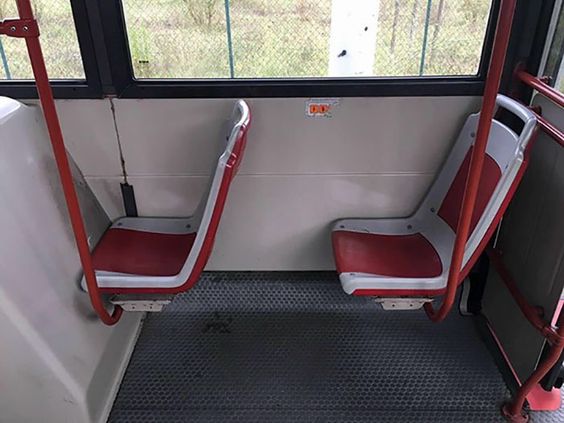
Tell me your ideas for a good term for bad designs – something catchy and catch-all (Norman Doors refers to doors only, but so far it’s worked in a pinch). In the meantime, here are a few examples of non-user-centred designs.










 Stephanie Huesler