Category Archives: Liguistics

Etymology Undusted: Brittonic Remnants

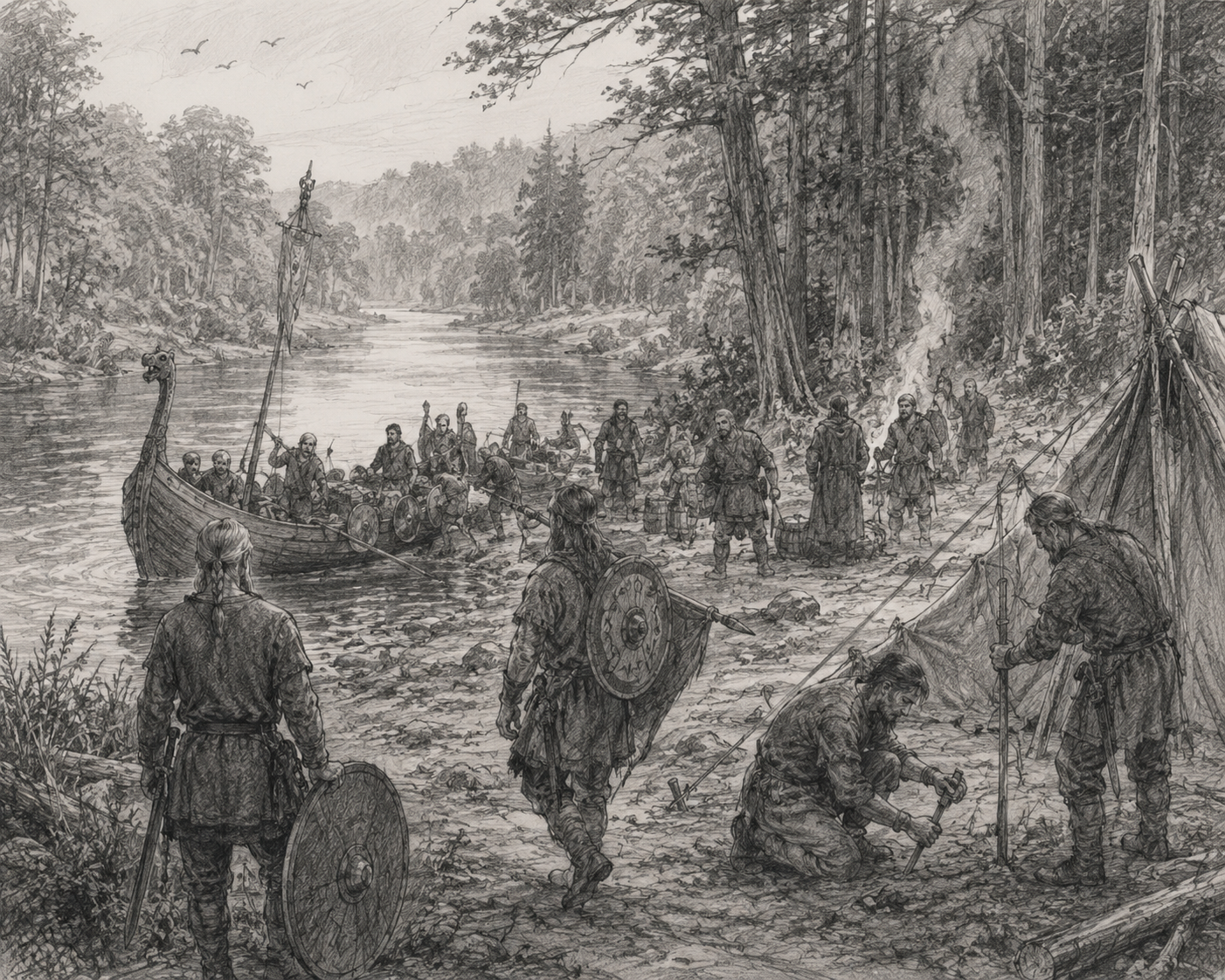
While many English words can be traced back to an event, such as the French absorbed into the language after 1066, some words we use today can be traced much further back to the formation of the language.

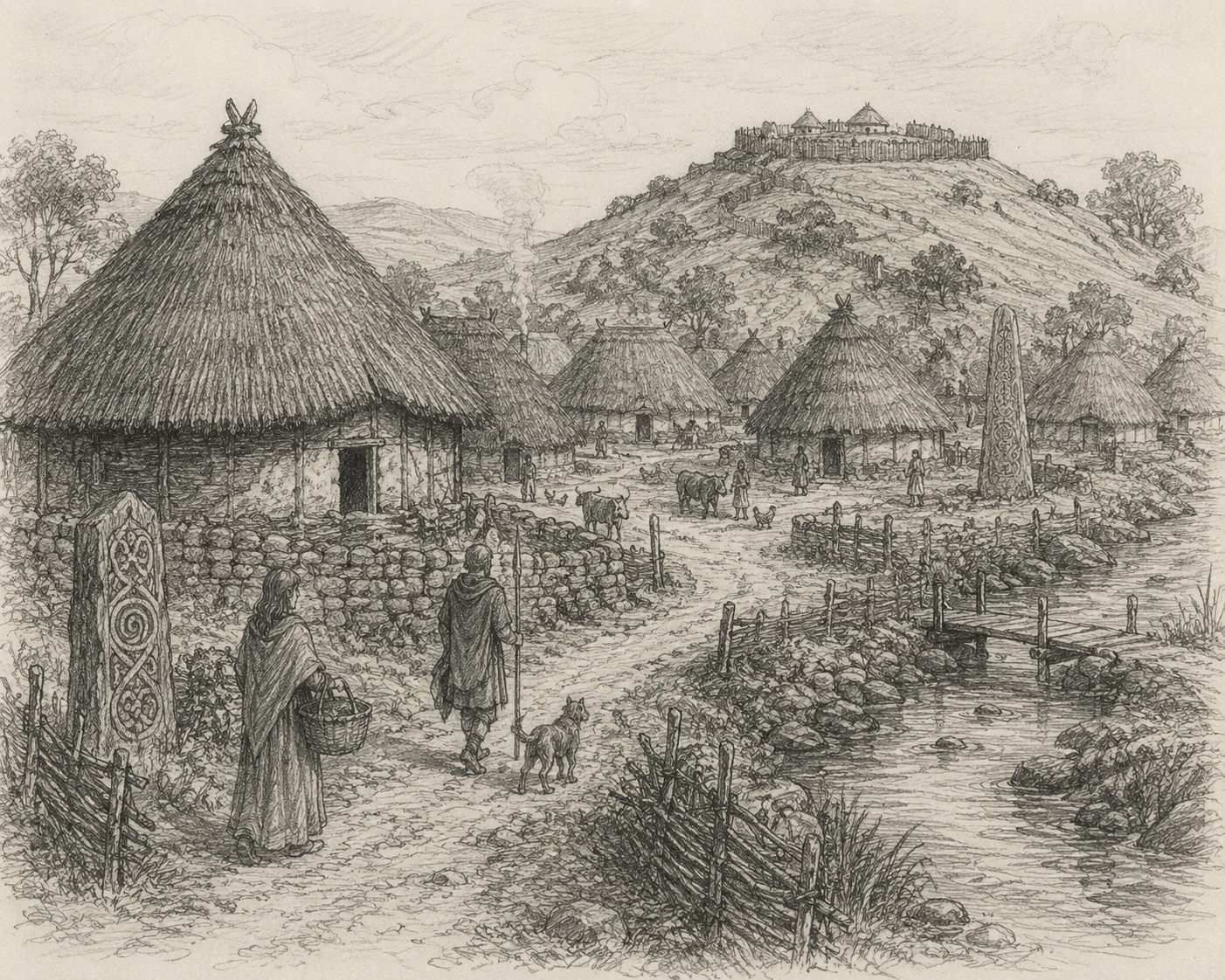
English itself is a West Germanic language of the Indo-European language family. During the period of Roman Britain (AD 43 to AD 410), what we know as Britain today spoke Brittonic dialects and languages, influenced by the Celtic migration from the Continent around 1300-800 BC; during the Roman occupation, many words from Latin were assimilated, and English as a language began to emerge around 450 AD. Old English would be unintelligible to most English speakers today; I won’t go into the history of the Great Vowel Shift again, which fundamentally changed the sound of the language, but suffice to say, we still use many Old English words today. Famously, Winston Churchill used many Old English words in his “We shall never surrender” speech, delivered just after the evacuation from Dunkirk was successfully completed. Old English words tend to be short, giving the speech more emphasis; click on this link for a clip from the film Darkest Hour, portraying the speech. As one man in the clip says, he mobilised the English language and sent it into battle.

Even though English as a language has adapted, evolved and adopted words from around the globe since its inception, there are ancient words from Brittonic which we still use today. Here are a few:

Ass, crag, doe, wan, combe (valley), peat, hog, gull, brock, bin, coracle, flannel, and bannock. Possible words (etymology is unclear, but these are suspected to be Celtic British) include basket, sark (a shirt or smock in Scotland and northern England), wan, and dun.

Among the place names from Brittonic are Avon, Derwent, York, Leeds, and London. The elements of Aber-, Caer-, Pen-, and Dun– are typical Brittonic place-name derivatives; these include: Aberdeen, Aberfeldy, Cardiff, Carlisle, Penzance, Dumbarton, Dundee, and Dumfries.

Some of these words are more common, for instance, in Scotland than in America, but they are still words used today. As you can imagine, the farther back we go in history, the more we’ll realise that earlier words have been usurped by “modern” ones – even if “modern” refers to a thousand years ago. What we know today only as “eggs” once had a variety of spellings: æg, ei, ey, eai, egge, eyern, eyeren, eggys, eggja. All of these were in use until William Caxton (c. 1422 – c. 1491) decided on eggs (thank you!). Only because of him do we spell it thus, and not æg or anything else.

I realise that all of this is an over-simplification, but it would be impossible to do justice to a language that has been developing for well over a thousand years, no matter how many books have been written on the subject. Hopefully, this little insight gives you a deeper appreciation for the fact that your spouse can write “eggs” on the shopping list and that you understand the term!

(AI Gen Image)

5 Comments

Filed under Articles, Etymology, History, Liguistics, Linguistics, Lists, Military History, Videos, YouTube Link

Etymology Undusted: British Colonial English Borrowings

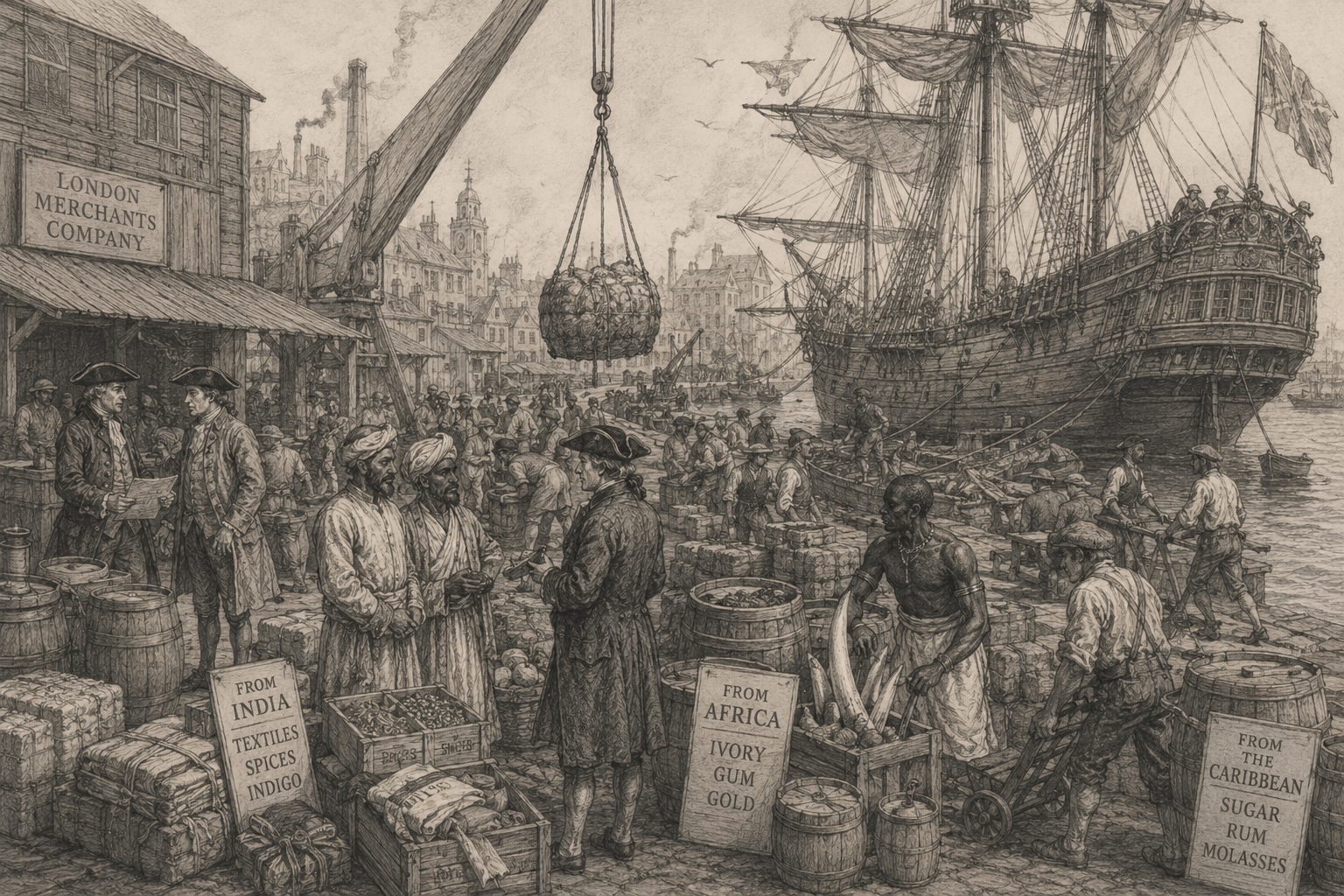
Just as language in 11th-century Britain needed to adapt to facilitate communication between the Anglo-Saxons and the Norman French-speaking ruling class, when Britain eventually expanded into what became the British Empire, the nations under their rule absorbed English for the same reasons. English is known as the common language that divides; Caribbean English has little to do with Indian English; Australian English has little to do with Creole English. The rich linguistic diversity that resulted from geopolitical constellations is something we still benefit from today. English is still absorbing new words from other languages, such as umami (Japanese); many new words may only be understood in local regions before they spread to wider use.

British English has many words imported from the time of Colonialism, from India, the Caribbean, Australia, and Africa. Over time, many of those words have been exported to the colonies of the New World, and so they are familiar to English speakers outside of the colonial regions of the former British Empire. Here are a few words we owe to Indian languages (which number over 120; if you count dialects, it can be into the high thousands):

From Hindi, we have: Jungle, pajamas (pyjamas), pundit, bungalow, cushy, monsoon, avatar, bangle, bandana, chutney (and many spice names, such as garam masala), cheetah, cot, cummerbund, dinghy, dungaree, juggernaut, khaki, karma, loot, mantra, punch, pukka*, shampoo, typhoon, and veranda – to name a few.

*Pukka is a modern British slang word meaning superior, excellent, first-class.

From the Indian Tamil language, we have catamaran and curry; from Malayalam, we have calico and jackfruit; from Kannada, we have bamboo; from Sanskrit, we have atoll, aubergine, basmati, candy, carmine and crimson, cowrie, crocus, ginger, jute, lacquer, lilac, mandala, mandarin, musk, nard, opal, orange, pepper, rice, sapphire, sandalwood and shawl.

From Australia, many Aboriginal words have spread throughout the English-speaking world and beyond; here are the most common: kangaroo, koala, dingo, wombat, kookaburra, boomerang, gammon, cheeky, lingo,moola (money), and wallaby.

African words that have made it into English include banjo, jazz, cola, chigger, ebony, goober, gumbo, impala, jive, jukebox, jumbo, mojo, okra, safari, tango, jam, and zebra.

From the indigenous Caribbean languages, we get words like barbecue, canoe, cassava, guava, hammock, hurricane, iguana, maroon, potato, savanna, and reggae.   

This list could be pages long, as the British Empire influenced, as well as absorbed, languages and vocabulary from around the world.

Do you know of any others to add to the list? Please add them, and where they come from, below!

(AI Gen Image)

4 Comments

Filed under Articles, Etymology, History, Liguistics, Linguistics, Translations

Etymology Undusted: Native American Borrowings

Though some of these words have probably made it across the Pond, American English is the focus of these borrowings: When the pioneers and explorers began moving westward across the North American continent, they encountered geographical features, plants, animals, and situations for which they as yet had no word; thus, the Native American words were borrowed. I won’t go into the sordid history of colonisation’s tactics here; suffice to say, it was not a mutual exchange once Europeans began arriving in larger numbers.

According to some estimates, nearly half of the U.S. state names derive from or are directly related to the regional indigenous tribes. Here are a few place name examples: Chicago (from the Miami-Illinois Myaamiaki tribe’s word, shikaakwa, wild onion); Dakota (from the Sioux language, meaning friend or ally); Oklahoma (from Choctaw, red people); Utah comes from the Ute tribe; Mississippi (from the Ojibwe phrase misi-ziibi, meaning great river); Milwaukee (Algonquian, meaning good land); Alabama (from the Alabama tribe, Alibamu); Alaska (from the Aleut word alaskag or alyeska, meaning mainland or great land); Connecticut (from the Mohican/Algonquian word quinnehtukqet, meaning beside the long tidal river); Iowa was named for the Ioway people, commonly interpreted as beautiful land; Kansas, named for the Kansa/Kaw tribe, often translated as people of the south wind; Wichita, Kansas was named for the Wichita tribe.

Some animal names include caribou, chipmunk, husky, moose, muskrat, opossum, raccoon, skunk, woodchuck, coyote, ocelot, mole, chinchilla and condor.

Some geographical features include Lake Tahoe (Big Water); Potomac River (Place where people trade); Mount Moosilauke, New Hampshire, from moosi and auke, meaning bald place; Mount Tamalpais, California (from the Coast Miwok people, meaning bay mountain);

One example of the reverse is that the Ochese Creek tribe were called Creek after the geographical feature. Creek is likely from Old Norse kriki, meaning corner or nook, extended to inlet or short arm of a river; a Swedish dialect has krik, meaning corner, bend or creek, cove.

And finally, a few botanical borrowings (including some from the Nahuatl, or Aztec, tribe*): Hickory, pecan, persimmon, squash, succotash, chayote, pawpaw (tree), guava, avocado*, tomato*, guano*, mesquite*, and mezcal*.

Do you know any other words borrowed from Native American languages? Please share them in the comments!

(AI Gen Image)

7 Comments

Filed under Articles, Etymology, History, Liguistics, Linguistics, Lists, Nature

Etymology Undusted: German Borrowings

As English and German are offshoots of the same branch of the language tree, we share many words in common, but because I speak both English and German (High German, as well as the Zürich dialect of Swiss German), it’s difficult for me to know how many German borrowings are widely used in the English-speaking regions of the world. There are more such borrowings, for instance, in American English (because of the German-speaking immigrants that brought their mother-tongue along with them) than in British English, which was more heavily influenced by French (up until the French Revolution, when Francomania fell out of fashion in Britain for fear that the spark of revolution would ignite revolt in their own peasant classes. But that’s another story!).

Perhaps another complication for me personally in deciphering what German words are used elsewhere is that I grew up in a region with Amish communities who spoke a language similar to German (known as Pennsylvania Dutch or Pennsylvania German – a dialect of German imported around 300 years ago) – so we used words like Gesundheit (when someone sneezed) rather than the more common “bless you”.

With all of that in mind, here are a few words that English has nicked directly from German:

Gesundheit, kindergarten, angst, dachshund, hamster, pretzel, sauerkraut, delicatessen, hamburger, gummy bear, zeitgeist, kitsch, fife, uber (über), neanderthal, doppelgänger, ersatz, zeppelin, rucksack, knapsack, kaput, quartz, schadenfreude, bagel, blitz, fest, glitch, muesli, noodle, schnapps, strudel, poltergeist, waltz, carabiner, cobalt, echt, edelweiss, eiderdown, einkorn, gestalt, verboten, wanderlust, wunderkind, finger, glass, übermensch, leitmotif, bratwurst, kaffeeklatsch, diesel, and the list goes on and on!

Some words in English have been borrowed, especially in America, from what is known as Yinglish – New York Yiddish mixed with English (mainly from the Ashkenazi Jewish community). A few examples are: Mensch, klutz, schmuck, dreck, spiel, schmooze, shlep, kosher, mazel tov, putz, tush/tuchus and yenta.

Are any of these words new to you? Which ones do you use? Which ones are used in your region?

5 Comments

Filed under Articles, Etymology, History, History Undusted, Liguistics, Linguistics

Etymology Undusted: Latin Borrowings

Believe it or not, the language second only to French in English borrowings is Latin. In all, it is estimated that up to 56% of English borrowings come from French and Latin (and since many French words come from Latin, it could be argued that Latin has had the greatest impact on the English language).

The Germanic tribes that fought the Roman Empire eventually moved west into what we know today as the British Isles; before they came, they’d already packed their linguistic bags with Latin terms, such as candle (candelabrum), cheese (caseum), camp (castra – from which we also derive castle), mile (mille passus, from which we also get [geographical] pass), mint (menta – for coins), pound (libra – for a weight unit, and from which the British pound sign £ is derived), and street (via strata), to name a few (many more were added during the period of Roman Britain, 55 BC – AD 410). The language of these ancient settlers was the ancestor of what would become English, but these tribes wrote in runes, and the language they spoke would be unintelligible to us today, as it had complex genders/noun cases and distinct vowel shifts.

Ancient Latin often borrowed words from Greek and then passed them on through the Romance languages to English, often through French. Some examples from Greek via Latin are school, anatomy, philosophy, music, machine, olive, bacteria, lamp, topic, idea, and place.

When Christian missionaries arrived in Britain in the 6th and 7th centuries, they brought Latin terms with them to describe new concepts. At that time, Latin was the Lingua Franca of medieval Europe. Sometimes, both the Old English and the Latin terms survived, such as OE Gospel (gödspell) and Latin evangelium (which comes from the Greek for “good news”; this is still the word used in German today). During that period, Latin terms tended to be used only in a religious context, with Old English being used in everyday life.

Latin moved beyond cathedral walls via science and technology; the era of scientific discovery required new words to describe new areas of knowledge and understanding. Words like carnivorous, apparatus, data, experiment, incubate, organic, structure, vertebra, and component entered the vocabulary during that time.

Other words borrowed from Latin include:

Absent, alter, amble, acceptable, agriculture, amiable, animal, appear, announce, aviary, barbarian, beatitude, benefit, campus, candidate, circumspect, civic, conspicuous, council, custody, deity, dictionary, digital, dragon, edible, extra, figure, focus, genus, habitat, imperial, invent, labour, legacy, library, marine, mediocre, medium, perfect, port, respect, ridicule, scholar, science, serpent, serve, superb, and so many more… ad infinitum!

2 Comments

Filed under Articles, Etymology, History, History Undusted, Liguistics, Linguistics

Etymology Undusted: French Borrowings

Languages are constantly moving, changing their minds on the meanings of words, and taking on new words to fit their needs in a fast-paced world. Today, when we say nice, we mean agreeable, pleasant, or kind; but when it first entered English in the late 13th century, it meant foolish, frivolous, ignorant or senseless. By Jane Austen’s time, the word was disdained as overused, diffused to the point of meaning nothing… a nice day, a nice walk, a nice person. And depending on the tone, it can be sarcastic. A versatile, everyday word that we stole – uh, borrowed – from Old French.

English has borrowed quite a bit from French; in fact, some linguists estimate that up to 45% of English words can trace their origins back to French. Most of the influx into English came after William the Conqueror’s 1066 victory, when the French-speaking ruling class (of what we know today as England) moved in. To communicate with their new tyrants – uh, rulers – the conquered Anglo-Saxons needed to do some rapid assimilation, and ended up expanding their vocabulary by leaps and bounds. In the end, it’s up for debate as to who actually conquered whom, as English is spoken the world over by more than a billion people as a first or second language.

We can be gracious winners, and give the French tongue credit where crédit is due (it’s French, after all). Aside from words stol— borrowed centuries ago and adapted to fit our tongue, we have also assimilated purely French words or phrases that we use regularly:

Rendezvous, RSVP (répondez s’il vous plaît), arrangez-vous, mis en place, café, résumé, faux pas, déjà vu, à la carte, cliché, cuisine, sauté, avant-garde, chic, je ne sais quoi, cul-de-sac, en route, savoir-faire, carte blanche, boutique, lingerie, silhouette, matinée, décor, fiancé, and augment. To scrape the tip of the iceberg.

With up to 40-45% of English being French in origin, chances are that many more of the words I’ve just used to communicate this piece were originally French. Can you spot them? Please comment below!

10 Comments

Filed under Etymology, Grammar, History Undusted, Liguistics, Linguistics, Lists, Nuts & Bolts

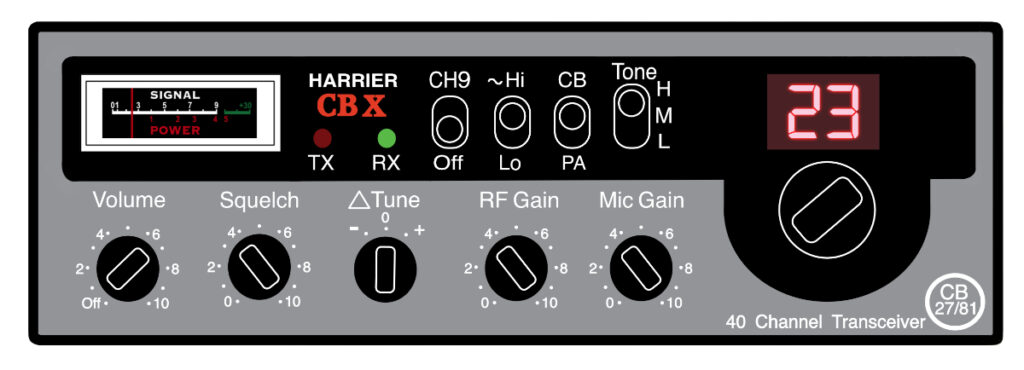
History Undusted: The CB Radio

You know how your brain fires off random thoughts as you fall to sleep, or combines odds-bods into dreams forgotten as soon as you wake up? For some reason, 10-4 popped into my head in those moments last night. It sent me down the rabbit hole I now present: The history of the CB radio.

The often-forgotten or overlooked inventor of the Citizen’s Band (CB) radio system, along with inventions such as a patented version of the walkie-talkie (originally invented by the Englishman Donald Hings), the telephone pager, and the cordless telephone – all precursors to today’s cell phones, was Al Gross (1918-2000): Born in Toronto, Canada, he grew up in Cleveland, Ohio. The son of Romanian-Jewish immigrants, his love for electronics was sparked when, at the age of nine, he was travelling by steamboat on Lake Erie; he explored the ship and ended up in the radio transmissions room, where the operator let him listen in. Eventually, he turned the family’s basement into a radio station built from scraps. During his higher studies, he experimented with ways to use radio frequencies.

During World War 2, he had some involvement with developing a two-way VHF air-to-ground communications system for the U.S. Office of Strategic Services, known as the Joan-Eleanor system, and after the war, the Federal Communications Commission (FCC) allocated a few frequencies for the Citizens’ Radio Service Frequency Band, in 1946. Gross saw the potential and founded the Gross Electronics Co. to produce two-way communications systems to make use of these frequencies; his firm was the first to receive FCC approval in 1948. For more about his other inventions, just follow the link on his name above. For now, let’s focus on the CB:

The CB radio became an international hit back before cell phones and computers became a thing (despite the prevalence of cell phones, CBs are still around; truckers still communicate about road conditions, etc. Its usage was also revived by the Covid lockdown, when people began reaching out to meet and talk to others outside of their own four walls). It was, and is, a way to communicate with others long-distance from home or on the go.

My dad was always interested in the latest technological gadgets; in the mid-70s, we got a laserdisc player, the precursor of CDs, and DVD/Blu-Ray players. I remember watching films like Logan’s Run and Heaven Can Wait on that format. Laserdiscs never really took off, and only about 2% of US households had one (it became more popular in Japan at the time). Around that time, we also got a CB radio in our VW van. My dad had a chart with all of the CB slang words and codes, and I memorised it, fascinated by the lingo. On long road trips, I would get on the CB and chat with truck drivers. My handle (nickname) was Spider-Fingers, as I liked spiders and had long fingers (long fingers has the connotation of thief, so I didn’t want to use that!). Here is just the tip of the iceberg, a smattering of the codes and slangs used by CB radio enthusiasts, truckers and handymen:

There were dozens of slang terms for law enforcement officers: Bear (police officer); bear trap (speed trap, radar trap) taking pictures, also called a Kojak With A Kodak; bear bait (an erratic or speeding driver); bear with ears (listening to CB traffic); bear in the air/flying doughnut/Spy in the sky (helicopter radar traps), baby bear (rookie), fox in the henhouse/Smokey in a plain wrapper (policemen in unmarked vehicles); honey bear, mamma bear or Miss Piggy (slangs for female police officers); Brush Your Teeth And Comb Your Hair (a law enforcement vehicle is radaring vehicles – as if preparing for an official photo). A Driving Award was a speeding ticket. To wish someone Shiny side up meant that you wished them safe travels (keeping the vehicle upright).

There were slang terms for objects or events, such as Bambi, meaning that there was wildlife near the road and to take precautions; a crotch rocket was a fast motorcycle; double-nickels was a 55-mph speed limit area; a fighter pilot was an erratic driver who switched lanes frequently, while a gear jammer was someone who sped up and slowed down frequently; Alabama chrome was duct tape; an alligator/gator was a piece of blown tire on the highway, as it looked in the distance like a gator sunbathing. Convoys had front doors and back doors – the front or back truck in the group that would keep an eye open for bear traps. Motion lotion was fuel; the hammer lane was the fast lane (hammer was the gas pedal, and to hammer down was to drive full-speed). Break/breaker: Informing other CB users that one wanted to start transmission on a channel; a handle might be introduced, or requested if someone was looking for a CB friend. “Breaker, this is Spider-Fingers, over.” Asking for a comeback meant that you couldn’t hear the last transmission or wanted the other driver to talk. Break check meant traffic congestion ahead, slow down. A Bumper Sticker/hitchhiker is a vehicle that is tailgating another vehicle.

Aside from hundreds of slang terms, there was a whole list of codes (I guess you could say that the codes were the precursors of emojis!):

10-4: Agreed, understood, acknowledged

4-10: The opposite – asking for agreement or if a transmission was received.

10-6: Busy, stand by

10-7: Signing off

10-10: Transmission completed, standing by (you’ll be listening)

10-20: Location – What’s your (10-)20? Home-20 was asking for a driver’s home location/base.

10-33: Emergency traffic, clear the channel. CB code for Mayday for trucks and police cars.

10-42: Accident on the road

3s and 8s: Well wishes to a fellow driver. Borrowed from amateur ham radio codes “73” (best regards) and “88” (hugs and kisses).

The lists go on and on! I love the dry sense of humour reflected in the slang, and I think our everyday language could be a bit livelier if we included a few phrases that looked at things from a different perspective. Everyone could do with more 3s and 8s, 4-10?

1 Comment

Filed under Articles, Etymology, Family History, History, History Undusted, Humanity Highlights, Humor, Liguistics, Linguistics, Links to External Articles, Military History, Science & Technology

History Undusted: MacGyver and Blue Peter

This week’s topic arose from a conversation with my husband; we were discussing a temporary fix we had made at his mother’s home to make something usable until we could find a permanent solution. I said that we had “MacGyvered” it, and he had never heard the word before. That led me down a rabbit hole to naval flags, a card game, and British tele.

First, MacGyver: Though I knew the term, I had no idea what its origin was. The name comes from the eponymous character in a US television series that ran from 1985 to 1992; Angus MacGyver was a non-violent, resourceful genius, and his favourite tool was, of course, a Swiss Army knife. Though I was living in the States at that time, its running years explain why I didn’t know of the origin: In 1985, I was in college, having finished high school a year early (I took my final two years in one); I was too busy to watch television. In 1986, I moved to Hawaii to do a Discipleship Training School (DTS) with Youth With A Mission (YWAM), and went from there to the Philippines, where we worked in the red-light district of Olongapo. 1987 was a year of multiple jobs, earning money and hanging out with college friends – again, TV was not a priority. In 1988, I emigrated to Scotland.

The traits mentioned above made MacGyver a verb; when something is “MacGyvered“, a simple yet elegant solution to a problem is employed by using existing resources. At my mother-in-law’s home, we needed to level a new microwave that was sitting tilted atop the welded inserts that fit the original one. Our solution was to use an actual leveller, removing the end caps to make it fit inside the metal frame.

Now, down the rabbit hole: In the time of British ships of sail, when a blue flag with a white square or rectangle in the centre flew alone, it served as the sign for imminent departure (signifying P, leaving port); any passengers and crew in port would then return to the ship. The flag came into use in 1777, and by the turn of the century had become known as the blue peter. I have my suspicions that the term may have come from the card game of whist, in which a strategic manoeuvre known as the “blue peter” calls for trumps by throwing away a higher card of a suit while holding a lower one. No one can say for sure which came first, the ship or the card, so to speak, but the connection is likely.

The British children’s television programme, Blue Peter, first aired on 16 October 1958; the name was inspired when Owen Reed, the producer, was inspired by a radio programme for children (produced by Trevor Hill) that began airing on television once a month; it was launched aboard the MV Royal Iris ferry on the River Mersey, Liverpool, with presenter Judith Chalmers standing at the bottom of the gangplank to welcome everyone aboard. Reed was so captivated by the idea, and with the blue peter flag, that he asked to rename the programme (then called the Children’s Television Club) and take it to London.

Blue Peter, catering to younger children, is the longest-running children’s TV programme in the world; over the years it has changed with the times, and its content is wide-ranging, but they still give a nod and a wink to that original blue peter flag by giving out badges in the shape of a shield with a blue ship of sail on a wave. It is awarded to viewers for achievements, efforts, or creative work. There are different levels of badges, with the gold badge being the most prestigious; this is usually given to presenters upon their retirement or to people who have accomplished something extraordinary.

Among other things, the show is famous for its segments of “makes” – demonstrations of how to make useful objects, or how to make something to eat. This is the element that linked the term Blue Peter to MacGyver in my mind, so now ya know!

What is something that you have MacGyvered? And do any of my British followers know if “Blue Peter” is used as a verb in a similar fashion? Please comment below!

Blue Peter Badge

1 Comment

Filed under Etymology, Family History, History, History Undusted, How It's Made, Liguistics, Military History

Etymology Undusted: Zarf

To me, the word Zarf sounds like a sci-fi comedy name for an inept villain. But, in fact, it’s a word that entered English in 1836, and is the Arabic word for “vessel”. It describes an object that you’ve seen or have likely had in your hand at some point. I will freely admit that the zarfs we know today have fallen a long way from their original forms: A zarf is the holder of a coffee cup. That sounds fairly straightforward. You may have instantly pictured a highly decorative, precious metal jewelled… no? Are those crickets I hear chirping in the vast silence of confusion? Or maybe you pictured the cardboard contraption around a hot cup of Starbucks coffee. Fallen a long way, indeed. (Camps are divided on whether the latter constitutes a zarf… for good reason: I think they would be better referred to as sleeves, as to put them on par with the bejewelled masterpieces would be an insult to the artisans of bygone days.)

Zarfs arose out of the necessity of protecting one’s hands from a hot cup; before the monster of plastic reared its ugly head, cups were made from metal or glass, often without handles. Further back, they might have been made from plant products such as coconut shells. The oldest known cups were found in Gough’s Cave in Cheddar Gorge, Somerset, England, and dated to 14,700 years ago; they were made of cannibalised human skulls.

During the 16th century, coffee gained popularity throughout the Ottoman Empire. It led to the popularity of coffee paraphernalia and coffee houses, which eventually spread worldwide and remain popular to this day. In Britain, for instance, a coffee-house culture arose in the 17th century; by the end of the century, there were over 3,000. Such venues became known as penny universities, because, for the price of a cup of coffee, men could join in the hubs of intellectual exchange and debate. Artists, journalists, poets and writers gathered to discuss God and the world; the Inklings, a literary group including C.S. Lewis and JRR Tolkien, met regularly at the Eagle and Child in St Giles’, Oxford.

By the 19th century, the goldsmiths of Switzerland had become leaders in the production and export of ornate zarfs, made of precious metals and inlaid with precious stones or small hand-painted medallions. They were often made in fine filigree, with a smaller cup, known as a fincan, made of ceramic or glass, slipped inside to hold the coffee. A modern version of this is still widely used, called a demitasse (French for half cup), in which espresso is often served.

Without further ado, here are a few examples of zarfs and fincans, along with demitasses:

Source: Sothebys.com
A Swiss musical box zarf, ca. 1840 – Metropolitan Museum of Art
Fincans within zarfs
Demitasse set. Source, Wikipedia
Starbucks “zarf”, or sleeve

2 Comments

Filed under Etymology, Food History, History, Liguistics, Linguistics

Obscurities: Mondegreen

The word Mondegreen is an example of what it means: Misheard lyrics in songs. The word was coined by the journalist Sylvia Wright in 1954, when she misheard the lyrics in a Scottish ballad; instead of hearing They have slain the Earl o’ Moray, / And laid him on the green, she heard Lady Mondegreen.

Examples of this happen frequently; when I was a child, I misheard the lyrics from Dashing through the snow in a one-horse open sleigh as a one-hose hope and slay – I had no idea what that was supposed to mean, but I sang it with gusto! A famous mondegreen is Bob Dylan’s The answer, my friend, is blowing in the wind misheard as The ants are my friends. All the whiskey in the sea can be heard in Club Tropica, by Wham!; the actual line is All that’s missing is the sea. From Toto’s song Africa, instead of the line bless the rains down in Africa, some people hear left my brains down in Africa. In Abba’s Dancing Queen, they sing feel the beat from the tambourine, but I hear tangerine. There are likely as many mondegreens as there are songs, as garbled communication, Chinese whispers, accents and the mix of words and music can all lead to different conclusions than those intended by the singers or songwriters.

Have you ever misheard lyrics? Share your mondegreens below!

5 Comments

Filed under Cartoon, Etymology, Liguistics, Linguistics, Mistranslations, Obscurities