
Today’s topic is the kind of thing that flashes through my brain at 4 a.m. when I’m dropping off to sleep.
Sometimes rock and stone can be used interchangeably, depending on the context of science, society or conversation; but some phrases are intuitively either stone- or rock-rooted: We say rock road, rockslide and rock salt, but stonemason, stone wall and Stonehenge.
In geological terms, a rock is a naturally occurring mass of minerals, particularly those with a distinctive composition (e.g. granite, bedrock, igneous, or features such as Ayers Rock). Other geological terms range from clay, silt, sand, pebble, gravel, cobble, boulder or glacial erratic (material moved by geological forces from one location to another) to mountain in size.
In Archaeological terms, rock refers to a geological formation, while stone refers to any rock that has been placed or modified into a tool by humans (ergo, Stonehenge, not Rockhenge). When an archaeological dig is underway and they pull out a rock, trained eyes can spot signs of scarring, or scoring, such as on a core, which is a piece of rock that has been worked by a stone tool referred to as a hammerstone (for obvious reasons), used to shape another rock into a tool, such as in the process of flint knapping (the more refined the knapping process, the more refined the tools become, such as using antler or copper nubs to chip away finer areas of an arrowhead or hunting barb). In Kansas, where I grew up, arrowheads are still discovered occasionally; I have a small collection, along with a few obsidian arrowheads.
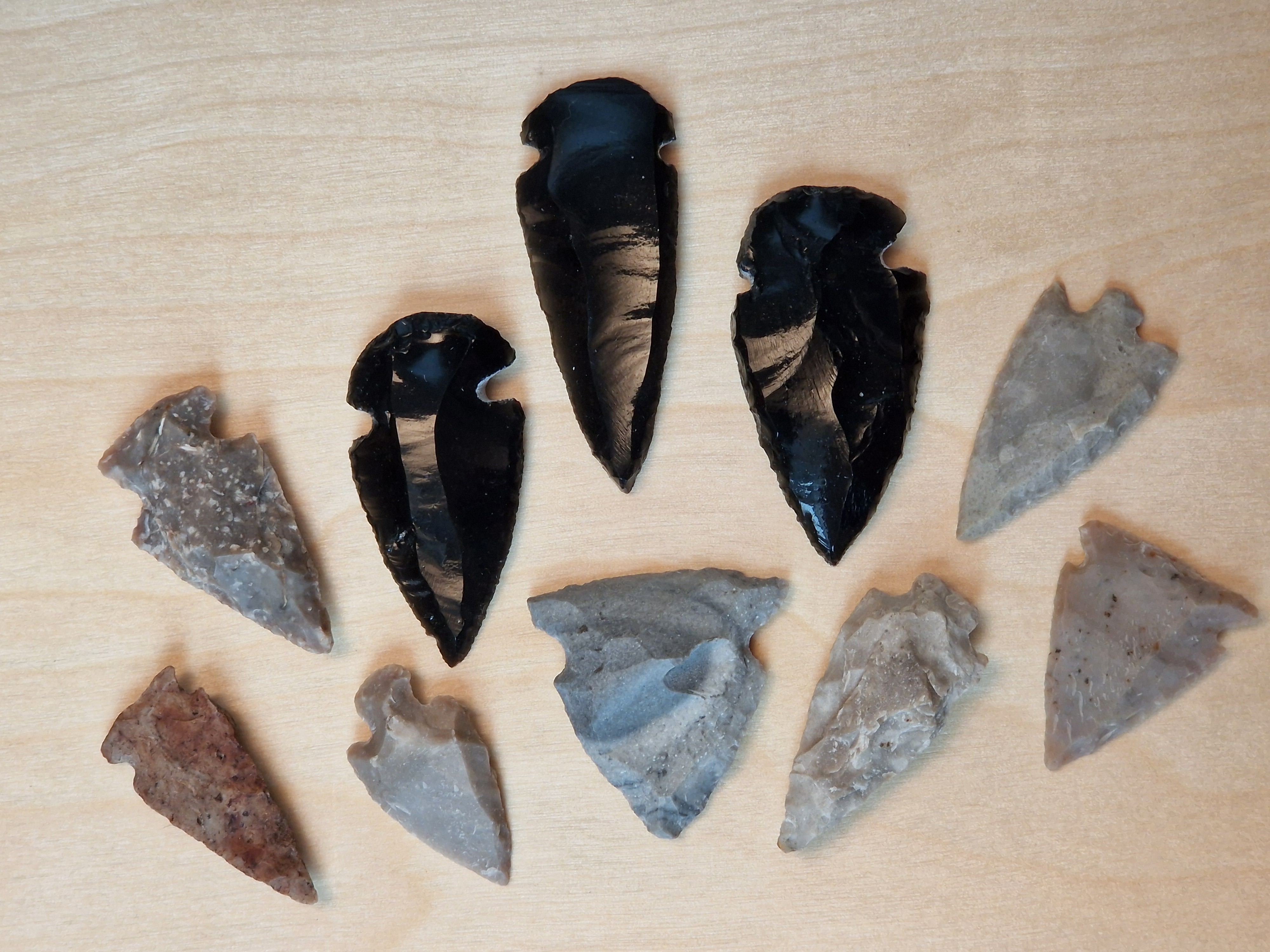
In archaeological excavations, what might appear to be a natural rock formation may turn out to be an ancient boundary wall, with stones intentionally stacked for a specific purpose. In that sense, though a rock road has intentionally been placed, it is not stone – it is placed for a purpose, yes, but its arrangement is left as it falls, so it is referred to as a rock road.
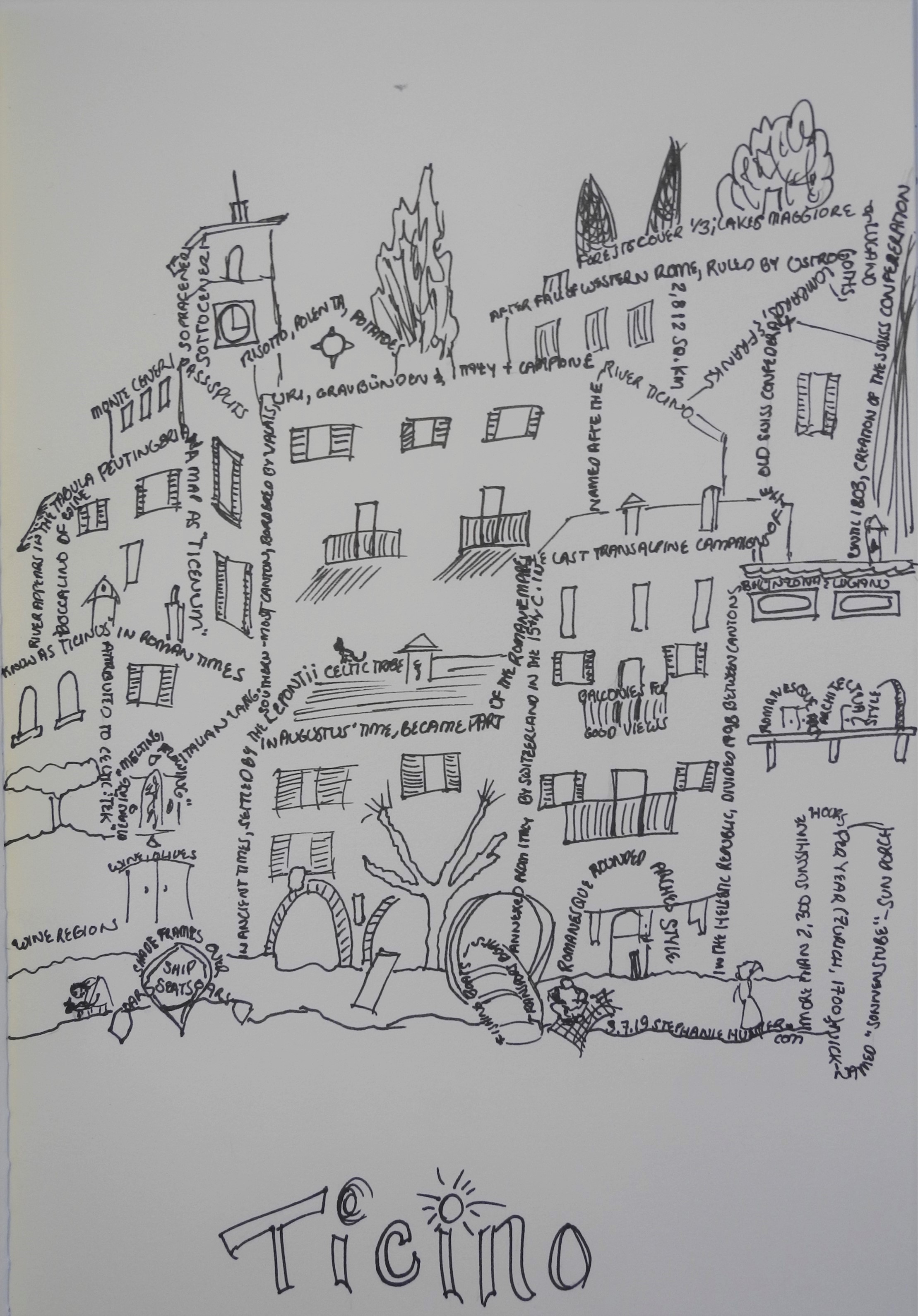
Years ago, when my husband and I were walking along a rocky riverbank in Ticino (in the Italian-speaking part of Switzerland), I picked up a stone; it had obvious signs of human activity, with smoothed sides where hands held it, and scrapes along the top and bottom, such as might be caused by sharpening a tool – whether antler or arrowhead. As it was washed down from its resting place in the rapids, it was no longer in situ and therefore would have no archaeological significance.

So which is it, stone or rock? For me, the answer is this: When it has been modified or intentionally placed or ordered by humans, it’s stone; when it’s naturally occurring, it’s rock.
I’ll leave you with a few idioms carved in stone or rock:
Set /carved in stone
Living under a rock
Leave no stone unturned
On the rocks
Heart of stone
Kill two birds with one stone
Have rocks in one’s head
Cast the first stone
As solid as a rock / As solid as the Rock of Gibraltar
Written in stone
Like getting blood from a rock
Between a rock and a hard place
A stone’s throw







 Stephanie Huesler