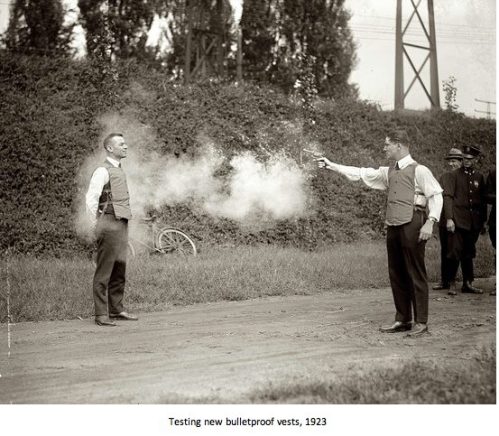
Talk about trust!
Talk about trust!

John Quekett
Recently, I came across an interesting piece of history: During the Victorian Age, people were fascinated with nature, excursions, and technology. Microscopes were becoming accessible to the rising middle classes of England, and one man, John Quekett, was fascinated by both microscopes and phytoplankton. He wrote a book called Practical Treastise on the Use of the Microscope, which was a hit among the Victorians, and they began discovering a hidden world of tiny creatures known as plankton and diatoms.
Plankton is what makes the ocean waters green, or aqua-blue – the differences are not only the sand or rock colour of a particular region, but also the density of microscopic life in the water. The denser the population, the lower the visibility. A teaspoon of seawater can contain a million living creatures. Regardless of their size, they underpin the marine foodchain, and indeed, all life on earth: Diatoms, which is the most common type of plankton, number in the trillions (there are over 100,000 known species to date), produce more than 20% of all oxygen on earth, and contribute nearly half of the organic life in the oceans. The shells of dead diatoms can cover the ocean bed as deep as half a mile in places, and they fertilize the Amazon basin to a tune of 27 million tons annually.
The Victorians knew very little of all that; they were at the dawn of discovery, and modern sciences owe a lot to those early intrepid explorers – women and men who braved the weather, cliffs and oceans in (heavy skirts and) leather shoes to discover, explore, and appreciate nature. Not only did they discover it, but they began making beautiful arrangements from the various shapes – they would display their microscopic artwork to friends, much like we might look through someone’s holiday photos today. These were known as Rosette Slides, and there is still one famous artist keeping this art form alive today: Klaus Kemp, known as the Diatomist. Here are just a few of his masterpieces; to see more, just google his name. The two links in this article will take you to two short videos on the topic. Enjoy!
Filed under Articles, History, History Undusted, Images, Research, Science & Technology
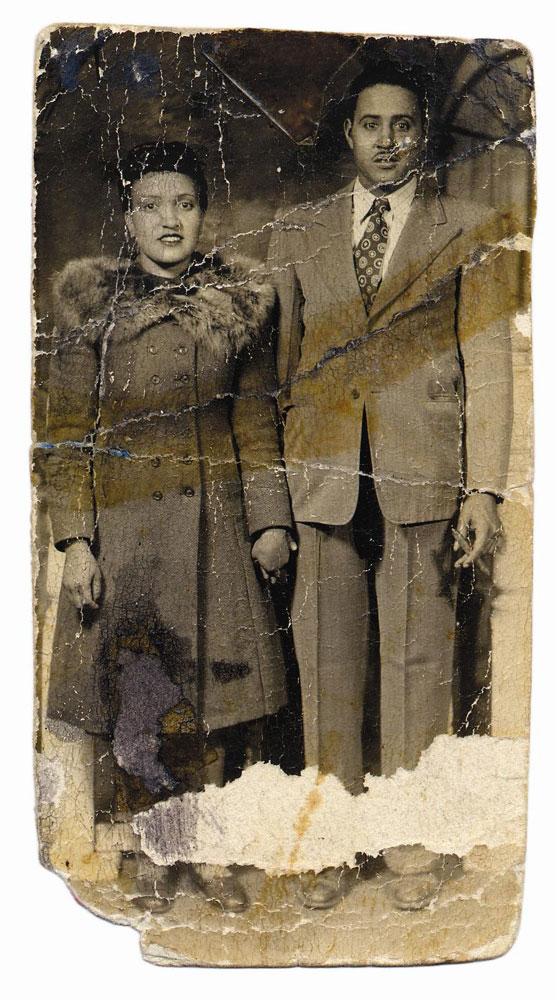 If you’ve ever taken any medication stronger than an aspirin and benefited from it, chances are that you owe your thanks to an African American woman who never lived to hear your tale.
Born in 1920 as Loretta Pleasant, when her mother died giving birth to her 10th child and the father could not support the family, the children were divided among relatives to be raised. Loretta, who became known as Henrietta, was sent to live with her grandfather, Tommy Lacks, who lived in a two-storey log cabin (former slave quarters) on the tobacco plantation of her white great-grandfather. After having five children with her first cousin, whom she married after their first two children were born, she died at the age of 31 of cervix cancer.
What is most remarkable about her life is something she never knew: During the diagnosis of her cancer, done at Johns Hopkins (the only hospital near her home that would treat black patients), her doctor, George Gey, was given samples of her cervix for biopsies. Before this time, any cells cultured from other cells would die within days. Dr Gey discovered that her cells were remarkably durable and prolific. A selection of her cells was isolated and cultured (without her knowledge – back then, permission wasn’t necessary for what was considered tissue waste) into the immortal cell line that became known as HeLa Cells; they are still in use today worldwide, being the first human cells to be cloned successfully, in 1955.
HeLa cells are so prolific that if they land in a petri dish, they will take over; they have been used to create the vaccine against Polio, in research for AIDS, gene mapping, cancers and countless other projects; to date, scientists have grown over 50 million metric tonnes of her cells*, and there are nearly 11,000 patents involving these cells. Her name should be known, and as the godmother of biotechnology, her history deserves to be undusted!
For a fascinating book on this topic, see The Immortal Life of Henrietta Lacks, by Rebecca Skloot. I’ve read it, and had trouble putting it down!
*For a more detailed article in the New York Times, click here.
 There’s no denying the fact that computers are huge blessings – combined with that little invention called “internet” they’re an unstoppable pair… until they stop, and life comes to a screeching halt.
That happened last week, as our main office computer gave up the ghost, after fighting a long, painful demise. My own laptop, from which I write, has been limping and is in need of repair, but it was our only lifeline to ordering a replacement… done, and three days later, the packages arrived! I’ve spent the better hours of 5 days sorting out things like transfer of emails and contact lists, programmes, updates, software and hardware setups, and patch-jobs to get old programmes to understand the new ones and vice-versa!
Instead of the “old fashioned” desktop computer with a huge processor that either stands on the floor and collects cat hairs and dust bunnies or stands on our desk and collects dust bunnies and cat hairs, we decided to go with a laptop hooked up to a docking station and two screens. Sweet! And yes, I can use both… it’s great when I’ve got research documents open while writing, or doing translations or editing two documents simultaneously. Now, to get my laptop repaired.
It’s amazing how we’ve become so dependent on computers, isn’t’ it? Personal computers didn’t really begin to enter households in any significant way until around 1990; technically, they hit the market in the early ’80’s, but the products were mostly limited to electronics geeks and university libraries. We got our first home computer in 1993, and it had RAM of a whopping 256 MB!! How could anyone ever use THAT much?? Now we’ve passed Gigabytes, and we’re into terabytes (TB, 10004 ), and it won’t be long until we’re into petabytes (PB, 10005), exabytes (EB, 10006 ), zettabytes (ZB, 10007) and yottabytes (YB, 10008). I remember writing business letters in DOS – back before Windows, virtual desktops or virtual wallpaper had even been dreamt of. I remember floppy discs – the latest in technology, now used as drink coasters somewhere in the world, I’m sure. 5-inch floppy discs became passé with the advent of (gasp!) 2-inch version… how could anything that small have so much space on it (1.44 MB). Imagine – back in the advent of computers, there was no Microsoft, no Amazon, no internet, no cloud storage, no dropbox, no websites, no Skype… they were essentially an information processor, with transfer of information only possible through a floppy disc or good ol’ fashioned printouts and photocopies (we won’t even go into the whole issue of the love-hate relationship most secretaries had with the first few generations of photocopiers).
Do you remember cassette tapes? Polaroid cameras? Now music is on a cloud or virtual shelf, and selfies and Instagram have made physical print photos nearly obsolete, except as an art form.


These images show how far we’ve come in less than 40 years. But you ain’t seen nothin’ yet. Check out these up-and-coming products or concepts that are in the making: Just hover your cursor over each image for more information.
Filed under Articles, History, Humor, Science & Technology, Space, Astronomy
For you Sci-Fi buffs out there, that title will be very familiar, as it is the opening line of the Star Trek manifesto. The novel I’m working on at the moment is just that – Sci-Fi, albeit not Star Trek. It nevertheless takes me into space, and that’s always a fascinating thing! So here are a few fun facts about what lies beyond our atmosphere:
Below are images from APOD – enjoy!
Filed under Articles, History, Research, Science & Technology, Space, Astronomy
This article is longer than my usual blog, but please bear with me; the issues below affect all of us, and they are important to become aware of; after all, you can only keep an eye on something you see.
I watched a fascinating TED talk recently about an African American man, Theo E.J. Wilson, who went “undercover” online as a white supremacist. He did it in order to try and understand where some of the internet trolls who were attacking him were coming from, and to try and discover where they were getting their “information” and ideas from. His findings were insightful.
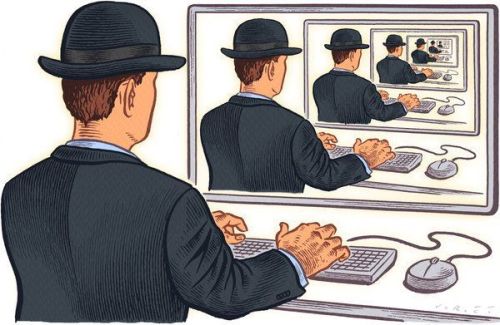
He discovered something that has become more and more obvious to me lately, and that is that we all live online in “digital echo chambers”. The definition of echo chamber is “A room or other enclosed space that is highly conducive to the production of echoes, particularly one that has been designed and built for this purpose. An insular communication space that is of no interest to outsiders or refuses their input.”
The echo chamber is harmless, though annoying, when it comes to shopping or interest feeds; but it can be catastrophic when it comes to life decisions and social or political views.
“If you surround yourself with voices that echo similar opinions to those you’re feeding out, they will be reinforced in your mind as mainstream, to the point that it can distort your perception of what is the general consensus.”
Alan Martin, Wired
The question growing in my mind is, am I telling algorithms online what I want to see/hear/learn, or visa versa? I’ll give a few examples of what I mean:
Sitting at my dining table chatting over a tea with a friend, our cell phones sat off to one side. We were chatting about holidays, and she spontaneously mentioned Mallorca (Spanish islands). The next time we looked online, we both had ads for Mallorca. This has happened many times – that a live conversation in a private home, with no online searches previously made, have resulted in ads, or articles popping up in suggestions; the conclusion is that Google is listening in on your life. If you don’t have your phone on airplane mode and your cameras blocked (I keep small post-its on both front and back cameras on my phones, as well as my laptop’s camera), chances are you’re giving away a lot more than you want to. If you tend to say your passwords out loud as you’re typing them in, you may be giving them away.
Facebook, theoretically a social media site to connect with your friends, in reality decides what it is you see, and whose activities you see in your feed. I haven’t been on Facebook regularly for several months now as I removed it from my home tabs on my browser; that one move has saved a lot of time otherwise being wasted! Now, when I look on Facebook, I literally see the home feed activities from only a handful of friends out of 300+; most of what I now see in my home feed is Facebook ads, FB suggestions, memories they’ve selected, and unrelated video stream suggestions. They’re trying to draw me in; but they’ve missed the memo that I’m only there for real connections with friends, and I intend to keep it that way. Maybe I should turn on my phone’s Wi-Fi and say that out loud… [Keep in mind that Facebook, or Amazon, or Google are not “they” as in human faces seeing your information; they are algorithms designed to harvest it.]
The more time you spend online, the clearer your digital fingerprint becomes; the more the algorithms know about your likes and interests, the more they will feed you just that information. The dark side of this is that, if someone has temptations in a particular area, they will be bombarded by tailor-made algorithmic choices, guiding them toward the thing they may be trying to avoid. A recent article in our local newspaper stated that, according to Netzsieger, a comparison portal, 25% of all searches online are related to pornography. Let that statistic sink in a moment.
And were you aware of the fact that, if you are outside of the borders of the US, a certain monopolistic shopping portal beginning with “Amaz” has been discriminating against you? The prices you see are not the prices an American within the borders of the US are seeing. I found this out recently when I was running a sale on one of my books; the sales price was 99 cents; the usual price is $2.99. But when I went on (I am a registered kindle customer at .com) to see if the sale had begun, the only price I saw was $3.56. That’s nearly a 20% price increase; no sale in sight. When I asked them about it, they gave a fluff algorithmic answer, but did not address the real issue. And they never answered my question whether I, as author, am being paid commission on the higher price or not.
It makes me wonder what else they’re not telling me as both author and as customer, and what else they’ve been charging me more for (likely, everything) than if I lived within the borders of the US; as a result, I’ve taken my online shopping elsewhere. I will be doing further investigation into this, and if you do online shopping, I would recommend you do the same, and call them on the carpet about it – write complaint emails, and make your voices heard! Have friends in other countries check out the prices on the same website and product, and compare.
[Now I have another example of the digital eavesdropping: I’ve been typing up this article in my Word program on my laptop – not directly into the WordPress blog; when I went onto Google to refresh my memory about percentage calculation, I began typing in, “how to calculate” – and it filled in “percentage” – with NO previous such search on my part… they didn’t choose “exchange rate” or any other more common option of mine…]
So, how can we break out of our digital echo chambers and mess with the results of algorithms? There are quite a few ways, actually: Below are a few links to articles about that very topic. I would encourage you to get informed, and put into action various methods to burst the digital bubble, and breathe in the fresh air outside your echo chamber.
Five Ways to Break Out of Your Online Echo Chamber
You can break out of your echo chamber – and here’s how
How To Break Out Of An Echo Chamber – Your Bubble
Escape the echo chamber: How to fix your Facebook News Feed
5 Super Easy Ways to Eliminate Your Echo Chamber
Fake news, echo chambers and filter bubbles: Under-researched and overhyped
Filed under Articles, Musings, Research, Science & Technology, Videos
I came across an article recently about a Japanese trend among single women to marry themselves. It reminded me that there are a lot of oddities and quirks that come out of the Land of the Rising Sun; they even have a name for odd inventions: “Chindogu”, meaning “‘un-useless’ or priceless tool”; I think that’s meant in irony, but one never knows, with Japan. For the list below, believe me when I say that I’ve left off hundreds of REALLY bizarre items! Here are a few of the less-weird ideas:
The slide show below illustrates a few of these gadgets or concepts, plus a few others. Enjoy!
Filed under Articles, History, Humor, Images, Lists, Obscurities, Research, Science & Technology
 As I was surfing recently, I thought – as I frequently have – that most of the phrases and idioms used today would be incomprehensible 100 years ago. Surfing, as related to the internet, came into use in 1993; Google (verb or noun form) would make no sense, nor would anything larger than a byte (bite), or (proxy) server, software, bandwidth, broadband, wireless, W-Lan, binary, bit, blog, blogosphere, browser, cookie (within the virtual context), cyberspace, domain, download, Email, Ethernet, intranet, extranet or internet, FAQ, firewall, network, GIF, hit, home page, host, and the list goes on! I’m sure people at IT meetings could carry on entire conversations that would be utter gibberish to someone from the Roaring Twenties.
There are also phenomena that have arisen with the dawning of cyberspace and virtual reality; while the internet has opened up the world to those who know how to use it wisely, it’s also given room for things like nonsense gone viral or video tutorials by everyone and their cats and dogs. Another consequence of the internet is the rapid dissemination of (mis)information; this is how urban legends arise: Before verifying authenticity, people pass on the gossip, fake news or report; soon it’s been seen so often (and refined along the way, like any good fish tale) that people begin to believe it as proven fact.
 Examples of urban legends are: Alligators in the sewers of New York; Facebook privacy notice (that by posting a legal notice on your Facebook wall, it will protect your copyright and privacy rights); Giveaway hoaxes (usually someone wealthy, like Bill Gates or Mark Zuckerberg), and that Facebook will start charging for use.
 Another thing that has arisen is actually an old habit gone virtual: Life Hacks. Before the dawn of the Cyber Age, such tips and tricks were passed down through generations, or from one neighbour to the other. Now in the global village in which we live, life hacks are taught to us by people in Moscow, Sierra Leon, American, Japan, Argentina, and everywhere in between. You can learn how to peel an entire head of garlic in 1 minute (it works, too!); how to turn a tin can into a camper stove; 50 ways to use a plastic drink bottle besides holding liquid; how to turn drinking straws into mini sealed containers for travelling; how to use pop tabs for anything from keychain loops to picture frame hangers to jewellery, and a thousand other hacks for the kitchen, household, wardrobe and travels.
If you’d like to learn a thing or two, below are a few links to life hack videos on YouTube; I’ve watched each one, and found interesting tips myself:
“48 Must-Watch Life Hacks” (23:00)
“12 Brilliant Things You Can Do With Your Devices” (9:50)
“40 Smart Repair Tips to Make Your Life Easier” (15:00)
There are hundreds more where those came from!
My point? Appreciate the fact that you understand most (if not all) Cyber Age gibberish; check your facts and avoid passing on or believing urban legends, and enjoy the benefits offered by such modern teaching tools as life hacks, instruction videos and tutorials online!
Filed under Articles, Links to External Articles, Musings, Research, Science & Technology
Most people know by now that our climate is changing; part of it is a natural cycle, but most of the recent changes are because of mankind’s carelessness and industrial advancements. Intense storms, flooding, drought, fire, avalanches, landslides… and that’s all been within the past week. Looked at as a whole, it might be overwhelming; people know changes need to be made, but what can one person do? Quite a lot, actually – and if everyone begins changing certain habits to a greener alternative, the impact will be felt. For your sake and mine, I’ve pulled together a list of things we can do:
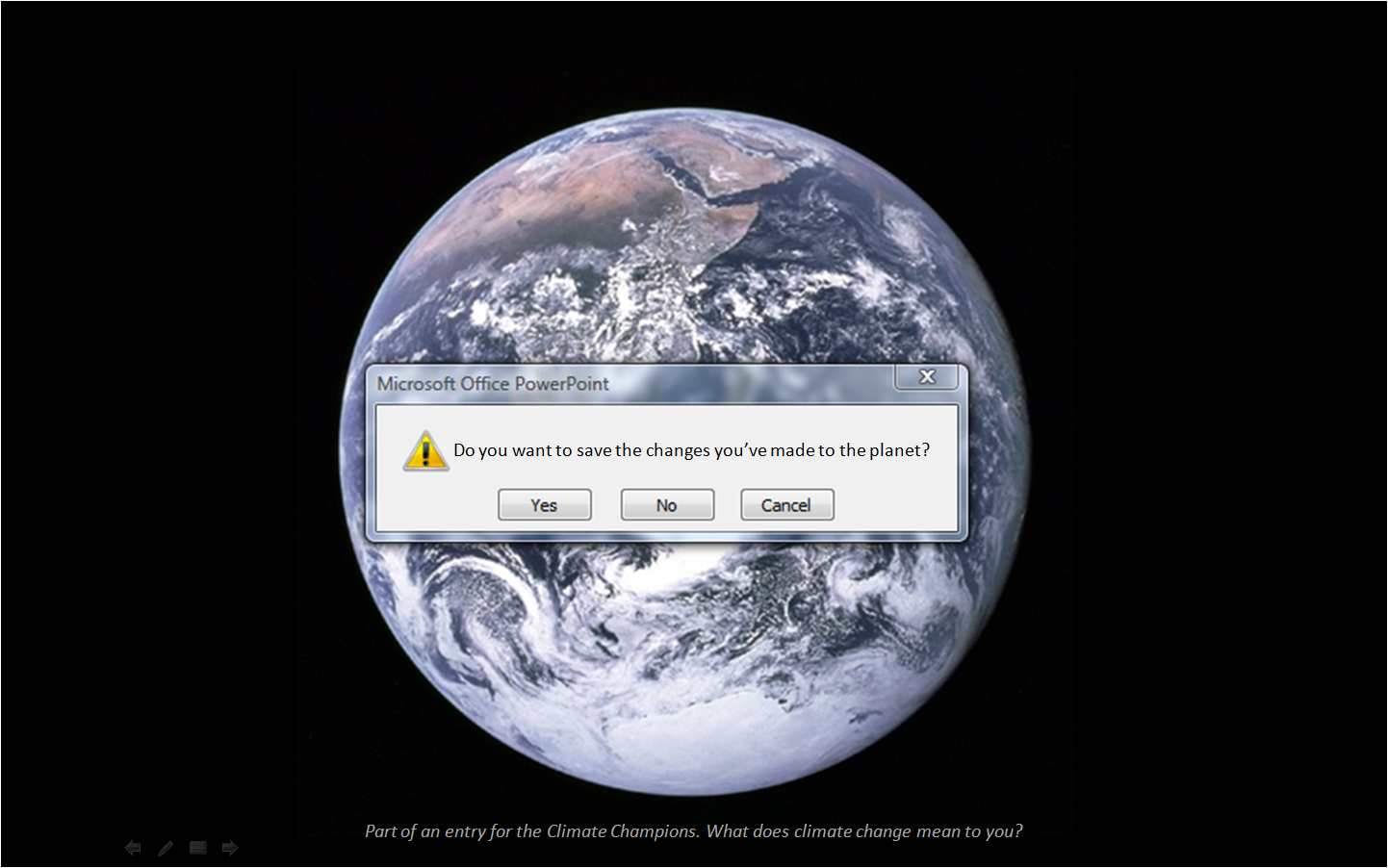
Vote for green policies, support green campaigns and organisations, and get the word out to your friends and family about what they can do to become greener.
Switch off lights; change light bulbs to compact fluorescents or LEDs; wash clothes in cold or warm (not hot) water, and only when the load is full; hang dry your clothes when you can; keep your thermostat at minimum temperatures, and layer your clothes if you’re cool, or take off layers if you’re hot – don’t freeze your house in the summer, or heat it to the tropics in the winter. Look for energy-efficient labels when buying new appliances. If you’re thinking of moving, consider moving closer to your workplace, or closer to your usual shops – wherever you can to lower fuel consumption or allow alternative transport such as bike or bus.
Ask your utility company to switch your account to clean, renewable power, such as from wind farms, solar power, or earth-heat sources. If it doesn’t offer this option yet, ask it to. The next time you need to buy an appliance, look for the greener brand.
Buy organic and locally grown foods. Avoid processed items. Grow some of your own food. And eat low on the food chain — at least one meat-free meal a day if you’re not already vegetarian — since 18% of greenhouse gas emissions come from meat and dairy production.
Garbage buried in landfills produces methane, a potent greenhouse gas. Keep stuff out of landfills by composting kitchen scraps and garden trimmings, and recycling paper, plastic, metal and glass, and donating things like clothes to charity shops. Let store managers and manufacturers know you want products with minimal or recyclable packaging. If you do crafts or know anyone who does, upcycle.
Carbon taxes make polluting activities more expensive and green solutions more affordable, allowing energy-efficient businesses and households to save money. If your local government doesn’t have a carbon tax yet, ask your politicians to implement one.
Air travel leaves behind a huge carbon footprint. Before you book your next airline ticket, consider greener options such as buses or trains, or try vacationing closer to home. You can also stay in touch with people by videoconferencing, which saves time as well as travel and accommodation costs.
Transportation causes greenhouse gas emissions, so walk, cycle or take transit whenever you can. You’ll save money and get into better shape! If you can’t go car-free, try carpooling or car sharing, and use the smallest, most fuel-efficient vehicle possible.
Whether electronic items, or reusable grocery bags, you can reduce your carbon footprint by buying wisely, less often, and energy efficient. Buy local or organic foods when possible; look for fair trade products, which not only give a better wage to the people producing the good but also tend to have cost-efficient transport; buy essentials in bulk to reduce plastic wrapping. Recycle or upcycle that wrapping. Use what you buy – don’t let foods go off, or buy any item around the house unless you need it and will use it. Buy products when possible that are sourced from sustainable programs – wood, paper, etc. Don’t upgrade your cell phone until you must; that little gadget leaves a huge carbon footprint; and when you do upgrade your phone, make sure you recycle it. For every 1 million smartphones recycled, 35,274 pounds of copper, 772 pounds of silver, 75 pounds of gold and 33 pounds of palladium can be recovered.
Believe it or not, you may be spending more money on electricity to power devices when off than when on. Televisions, stereo equipment, computers, battery chargers and a host of other gadgets and appliances consume more energy when seemingly switched off, so unplug them instead.
If you can’t buy something locally, or bike or walk to the shop, consider online shopping. This is a catch-22, as local shops need your support; but if you have to drive further to find something, look for it online. According to one study, in-store shoppers gave off slightly fewer carbon dioxide emissions than online shoppers at distances shorter than 8.6 miles. For longer distances, online shoppers’ footprints remained relatively stable, while brick-and-mortar shoppers’ emissions skyrocketed, up to 451.4 grams of carbon dioxide per transaction (when travelling more than 62 miles). One UK study showed the average consumer would have to purchase 24 items at the market to make the trip equal to the carbon footprint of just one item ordered online.
What is your carbon footprint? How many slaves do you use? Become aware of what your past habits have done, and it will influence your future choices. Here are a few links to help you figure out how you are impacting the environment:
How big is your environmental footprint? Check out this Footprint Calculator
How many slaves work for you? Take this survey to find out.
Additional Information:
http://www.davidsuzuki.org/what-you-can-do/top-10-ways-you-can-stop-climate-change/
https://www.scientificamerican.com/article/10-solutions-for-climate-change/
http://mashable.com/2014/05/15/climate-change-impact/#ILorIHWGeaqw
Filed under Articles, Lists, Musings, Science & Technology
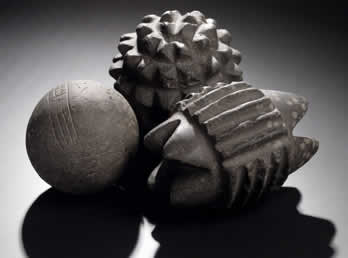
 Skara Brae is probably the single most famous Neolithic settlement uncovered in the world. It gives us the most complete picture of everyday life in that period of time, and has quite a few surprises: Indoor running water? Dressers and beds? Yep. They had storage rooms, and even toys for the kids. There are some objects that they can’t figure out, but that just makes it all the more tantalizing.
Originally much farther from the shoreline, over the centuries erosion has eaten away at the land; Skara Brae will itself eventually succumb to the pounding Atlantic waves.
I was there in 1989 for the first time, and again in 2002; the first time I was there, I was with a group of friends, and we were given a private tour by a friend’s uncle who worked there. It was an amazing way to see this prehistoric site, tourist-free and (back then) largely untainted by tourism. In 2002 it was a different matter altogether: A tourist shop had sprung up, and we had to time our viewing between bus-loads of day-tourists from “doon sooth” (down south = Scotland). Also on that second visit, the Atlantic winds were so strong that we were literally leaning into the wind at a 45° angle; if it had had a sudden lull, we would have been flung into the sunken dwellings; it was an adventure.
 If you get a chance to go, do so; take at least a fortnight on Mainland Orkney. It’s known as the Archaeologist’s treasure trove, and for good reason – just about any stone you turn over has some kind of historical significance, and there are many sites to take in: Maeshowe, Ness of Brodgar and the Ring of Brodgar, and chambered cairns to name a few, and even more modern sites such as Churchill Barrier, and sunken World War 2 vessels (some portions are visible in low tide).
The stretch of water between Scotland and Orkney, the Pentland Firth, is known as “The Sailor’s Nightmare”; there are several currents that flow and mix into this bottleneck, not only making for treacherous sailing, but it can also make even the hardiest sailor lose his lunch. Word to the wise: When heading out of Thurso with the ferry to the Mainland (the largest island in the Orkney group), a) don’t eat yet (it usually leaves around lunch time, and believe me, you won’t keep it long…), and b) as soon as you get on the ferry, head to the dining room and get a window-side table; this is because they will not only fill up fast, but once you’re out of the relatively calm / wind-sheltered bay into the open strait, you’ll be glad for a ring-side view from a wind-sheltered, spray-sheltered spot; keeping your eye on the horizon helps the brain deal with the swells, and keeps seasickness at bay…
Filed under Articles, History, History Undusted, Nuts & Bolts, Research, Science & Technology