Category Archives: Writing Exercise

Musings A to Z Challenge: E

Challenge:  Write a short entry (100 words or less) on a topic beginning with the sequential letter of the alphabet.

Eye


There is a Jewish saying:  “The eyes are the windows to the soul.”  The eyes reflect thought, whether the person is physically blind or not; they can tell you a lot about a person through a myriad of emotions and moods; they reveal humour, and even health to a certain extent.  Each eye is unique; that’s what makes iris identification security reliable.  For me personally, as a writer and reader, sight would be the hardest sense to lose; I could no longer gaze in wonder at the stars, or observe the world around me… all of which informs my writing.

Eye

Leave a comment

Filed under A-Z Writing Challenges, Images, Quotes, Writing Exercise

Musings A to Z Challenge: D

Challenge:  Write a short entry (100 words or less) on a topic beginning with the sequential letter of the alphabet.

Divergent


To diverge is to tend toward a different direction, to separate, or to become different.  For me, it means to go against the flow of the average, normal, or expected.  Whether in life or in writing, being divergent is an important characteristic that allows uniqueness to shine through:  To look at things from a different angle, to perceive experiences through eyes that look for the unexpected, the unusual, or the anomalies; this gives the divergent a strength and tenacity that cannot be achieved by taking the path more travelled, or the way smoothed by myriads of feet trodding before them.

Divergent

Leave a comment

Filed under A-Z Writing Challenges, Images, Quotes, Writing Exercise

Musings A to Z Challenge: C

Challenge:  Write a short entry (100 words or less) on a topic beginning with the sequential letter of the alphabet.

Creativity


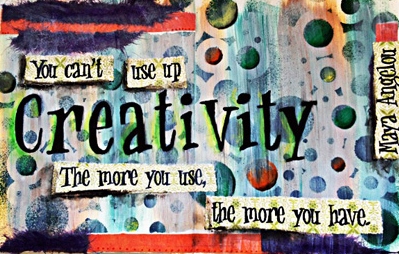
While it is true that creativity stirs up creativity in a sowing-and-reaping cycle, the same can be said of most habits:  If you exercise regularly, the good feeling afterwards becomes addictive; if you laze about and habitually accomplish very little, or stimulate your brain only minimally, the habit will become a rut that’s harder and harder to climb out of – and as they say, a rut is just an endless grave.  For me, creativity takes on many forms:  Crafts; writing; singing; writing music or songs or poems; cooking, and finding creative solutions for problems that come my way.

Creativity

4 Comments

Filed under A-Z Writing Challenges, Images, Quotes, Writing Exercise

Musings A to Z Challenge: B

Challenge:  Write a short entry (100 words or less) on a topic beginning with the sequential letter of the alphabet.

Breath


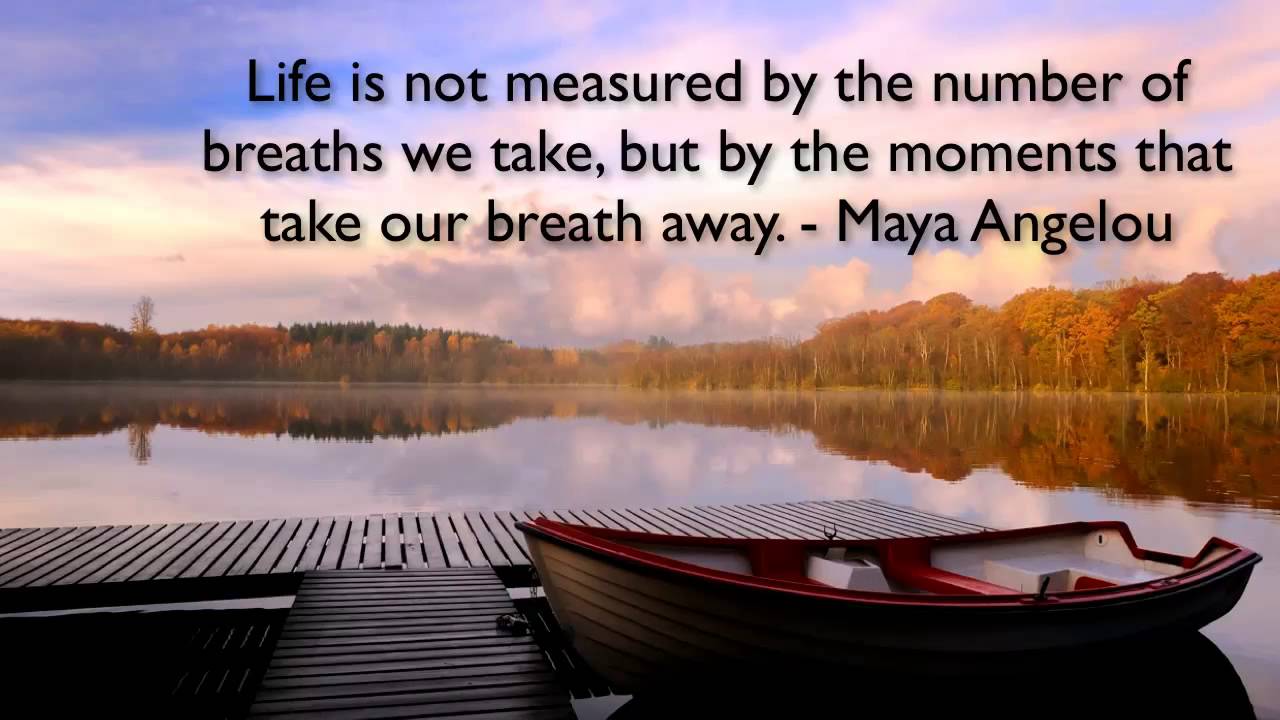
Breath is such a simple thing, in some ways; it’s easy to ignore what a gift it is until it’s the last one.  For those with asthma or other illnesses that affect the lungs, it’s never taken for granted.  Though it’s merely air that passes through our lungs and in and out of our noses or mouths, it can convey so many messages:  Sensuality; warmth; coolth (yes, it’s a word); exasperation; satisfaction, and even attraction.  It can be turned into a whistle, and has even inspired the concept for an upcycled air-conditioner in third-world countries. Ain’t breath cool?

Breath

2 Comments

Filed under A-Z Writing Challenges, Images, Quotes, Writing Exercise

Musings A to Z Challenge: A

For those of you who stop by for a visit and a chat regularly, you know that I post once a week (barring illness and holidays).  If you read through my “about the author” page, you’ll also learn that I rarely sit around on my laurels… a rolling stone gathers no moss, and all that.  I’ve recently finished the manuscript for my 5th novel – by “finish” I mean I’ve completed the third draft, which has now gone out to Beta readers, but I still have all the bits and bobs associated with the publishing of a book to begin tackling (the cover graphics, back cover copy, blurbs, synopsis, etc.), until the feedback comes in and I begin the next round of polishing and honing.

With all that extra time on my hands (splutter in uncontrollable laughter here), I thought I’d try something a bit more challenging with my writing blog:  One post a day for a month.  The posts will be an A to Z challenge of 100 words or less on a topic beginning with the sequential letters of the alphabet; each post will include one or more quotes (not in the word count) on the topic at hand.  On weekends I may break the pattern to continue on with the other topics of late, such as “Odd Jobs” or “Lost in Translation” posts. The entries will simply be my musings on the topic, thus the title of this post.

Let me know what you think, and if you’d like to take up the challenge on your own blog, just let me know in the comments so that I can come over and cheer you on!

So, without further ado, let the games begin!

Challenge:  Write a short entry (100 words or less) on a topic beginning with the sequential letter of the alphabet.

Achievement

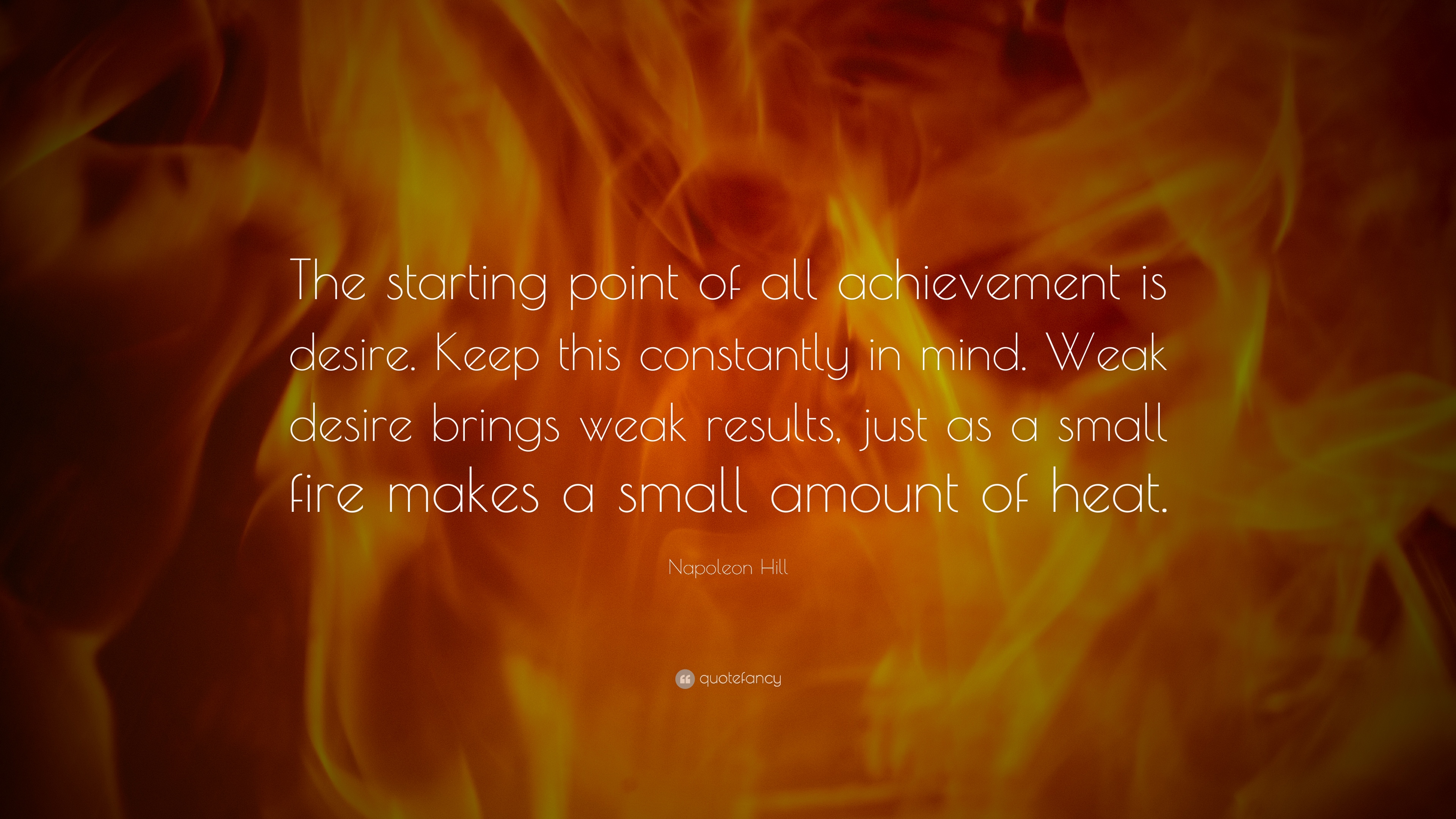
When a goal is achieved, I need a new one or my momentum will peter out; I usually choose a new goal before the current project is completed so that I know where to go next.  When I’m working on a section of my novel’s manuscript, I jot down what I want to work on next (dialogue, scene, etc.), so that I know where to pick up the next day.  For me, achievement isn’t about the big goals or the milestones in my life as much as daily goals – without those daily goals, the life-goals will never come to be.

Achievement - Napoleon Hill Quote.jpg

Leave a comment

Filed under A-Z Writing Challenges, Musings, Quotes, Writing Exercise

Postcard from Lugano III

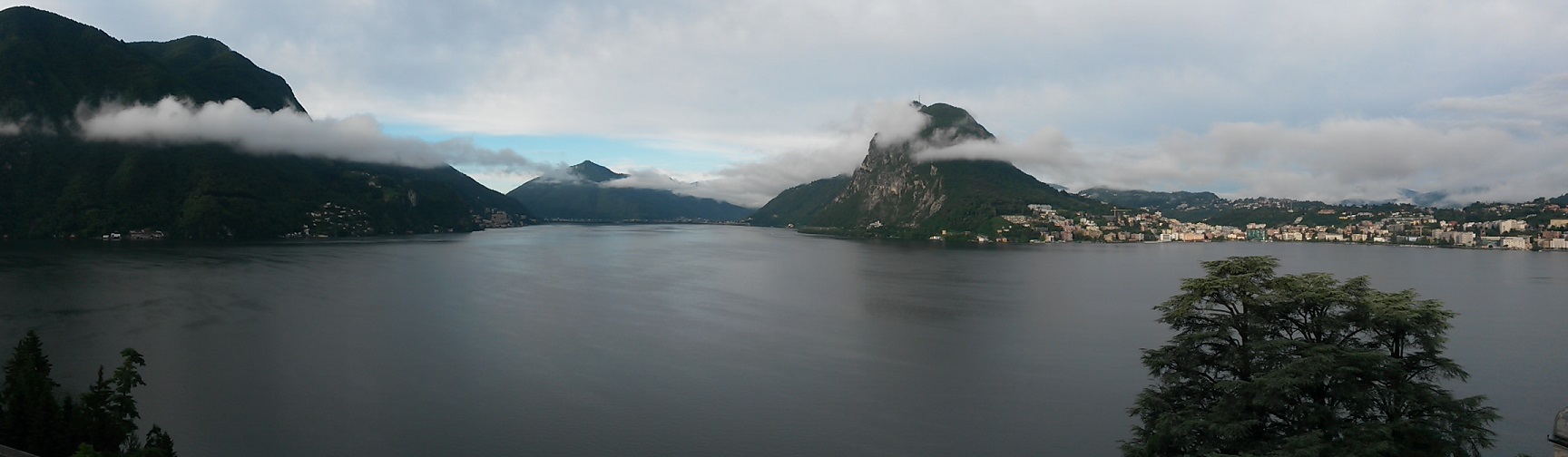
2016-06-15 06.59.28 smallYou know how, when you send a postcard from holidays, you’re usually back before the recipient receives it?  Well, same here… I’m back from holidays, and so this postcard has just arrived.  We were away just a week (could always be a bit longer, right?), and enjoyed beautiful weather, storms, rain, sunshine, and time.  Time away from internet connections (there is no wi-fi in the flat there, so the temptation is eliminated!), time to read, to write, to be, to watch football matches of the European Football Championships (that’s soccer to Americans), and to cook good Italian food.

2016-06-13 12.57.10 small

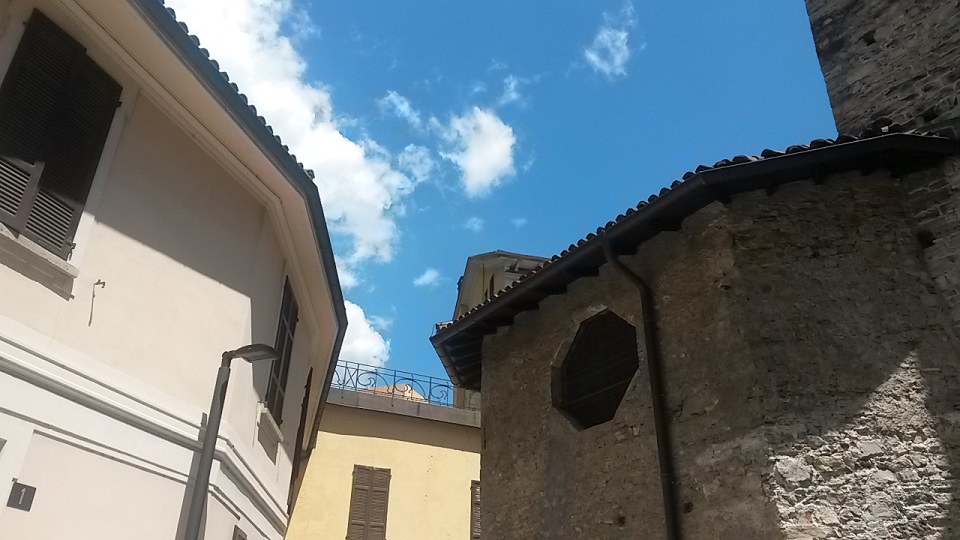
We were in Lugano, Switzerland, otherwise known as the Riviera, or the Monte Carlo, of Switzerland; it’s in the Italian-speaking area, and is nestled along the shores of Lake Lugano.  The top image is the view from our (glass) balcony, unbroken from Castagnola to just beyond Caprino (check it out on Google Earth!), and the lower image is of a side street by the Church of Santa Maria degli Angioli, along the shoreline of Lugano.  Our family holiday flat is in Castagnola, along the flank of Monte Bre, and is our go-to place for a short get-away.

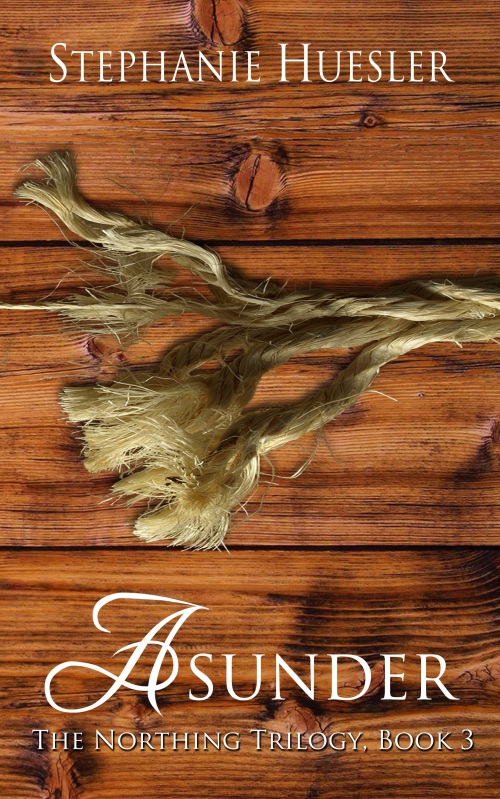
Whenever we’re down there, I switch from whatever manuscript I’m working on to a novel I’m writing that’s based on a house which our flat overlooks, and one that has captured our curiosity for decades:  Villa Helios sat vacant and decaying for over 30 years, and a few years ago began to be renovated.  This year was the first time we’ve seen life in the place.  From what I can tell, it has become either flats to rent, or buy.  There were only one or two flats occupied, as the rest of the windows were still either boarded over or shuttered; at night those windows were lit by small corner-lights to make it look occupied, but it was clear that they were vacant.  It was nice to get away for some quiet time together with my husband, but time there goes by very lazily, so even at a leisurely pace, I still managed over 10K on the novel!  It was especially relaxing to write on it because, just before going on holiday, I finished the manuscript for my 5th novel (the third book in the Northing Trilogy), and was able to send it off to my beta readers before leaving; I could work on the other novel with a “free conscience”.

Now back in the real world, I’m giving myself a short break from writing on my novels so that I can tackle the graphics of the cover, as well as all the bits and bobs that go along with marketing; once I get the beta feedback, it will be time to go through the manuscript again and make any changes necessary.

Here’s hoping you have a great week, and find inspiration for your own writing!

2016-06-16 21.53.24 small

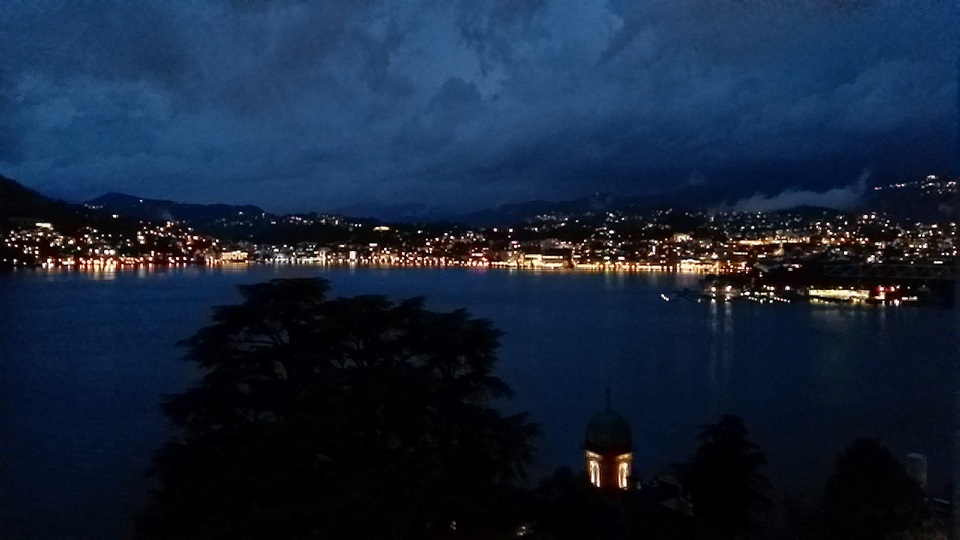
Lugano by night.  Foreground:  The dome of Villa Helios

3 Comments

Filed under Articles, Images, Musings, Writing Exercise

To-Do or To-Be, That is the Question


resizedimage400325-Timemanagement-forblogger

Credit:  www.acceleo.com

Working at home is a double-edged sword; most people think they would love to be their own boss, to set their own schedule, to pursue their own dreams.  But that’s just it:  You have to be your own boss, and not let meetings, schedules, appointments, to-do lists and sundry responsibilities outside of work consume you; you have to set your own schedule and stick to it, or time will hijack it; you have to actively pursue your dream (and success usually comes dressed in work clothes), or it will never come true.  It’s a lot like writing:  Most people don’t really want to write a book, as they claim; they want to have written a book, and there is a vast difference between the two.

If you’re like me, you’re organized; we need to be, to keep work, tasks and schedules from eating us alive.  Sometimes even with the best of intentions and plans, squirrels still come along… if you have no idea what I mean, just click on the link!  To keep the squirrels at bay, I keep a book of to-do lists.  I have one for my household tasks, telephones, repairs, appointments, administrative issues, etc.  I have as many as it takes for revisions and the like for my current manuscript, as well as marketing lists, etc… plus writing blogs.  Sometimes frankly they can all be overwhelming, and that’s where I need grace with myself.  It’s times like that when having a boss might be preferable, telling me what to do next (I just have to remember the last two bosses I had, and that wistful thought vanishes pronto)!

Despite the long lists, I still need to find time and space to just “be”, and that is a challenge for me.  Even when I’m sitting still, my mind’s going 1,000 RPM, percolating on a plot idea, developing a character or plot twist, thinking about what I’ll make for dinner – do I need to go shopping? – or what the schedule will be once others are home again.  Leaving work at the office is more difficult when home and work occupy the same space.  And, oh yeah, daily exercise would be a good idea too.  I have periods each day that are what I call “limbo time” – too short or chopped up by others to dive into a larger project.  I could fill the “limbo” time of my schedule with a myriad of micro-sized tasks; but I also need to learn to step back, take a deep breath or ten, and not be productive or feel guilty that I’m not being productive.  Such recuperation time shouldn’t be relinquished to the edge of “micro crumbs” of time left over; it is just as important to schedule a time of rest, and should be taken just as seriously as any task, though it often isn’t (I’m getting better at it).

Some of the things I’ve learned about time management so far are:

  • Know how your time is spent.  If you don’t, it will run through your fingers like fine sand.  In my article on productivity, I mentioned a few helpful apps; they help me track how my time is being used, and it helps me to focus.  Even my breaks are scheduled with the Clear Focus app mentioned.
  • Have a pad of paper nearby to jot down the random thoughts that come. I’ve found that jotting them down quickly helps clear my mind to focus better on the task at hand.
  • Schedule down-time: Take a power-nap, or do something you enjoy like sitting in the sunshine, going for a refreshing walk, or creating something crafty.
  • Create habits. One habit I have is a bit like “clocking in” at my desk:  I set both my landline phone and my cell phone into a holder on the desk, and this little action signals to my mind that it’s “time to focus”.  Another habit might be making myself a tea either before I sit down, or on a break.

How do you deal with balancing work and rest, real life and dwelling in the fantasy world of a writer?  Have you developed any habits that help?  Please share them below – we can all benefit, I know!  The next thing on my schedule is – squirrel! – taking time to swing by others’ blogs, and be inspired.  The squirrel is now caged.

2 Comments

Filed under Articles, Lists, Musings, Writing Exercise

5 Life Hacks for Productivity

Let’s face it… humans are creatures of habit.  That phrase often has a negative connotation; in a conference that lasts several days, people will tend to sit within a few chairs of the seats they sat in on the first day, whether they like the location or not; once a person starts hanging the loo roll on the dispenser either top or bottom, the other way is just wrong.  But habits can also work to our advantage, if we form good ones:  Cleaning up after ourselves should have been a habit formed in our childhoods; brushing our teeth, pushing a chair in after we leave the table, and dozens of other little habits are hygienic, energy-saving, and contribute to more harmonious relationships within our social and environmental landscapes.

Those of us who express ourselves through creative media (such as writing, arts or crafts) might tend to see ourselves or the expression of our craft as outsiders, or at least mavericks, when it comes to business practices.  However, there are many tools (such as the SWOT) and principles for increasing productivity in the business sector that we can and should apply to our creative streaks (if the intention is to take them beyond the level of hobby to a more serious endeavour).  One of those principles involves forming good habits.  Below, I’ve listed five things that I do to keep my creativity fresh, and thus keep the time that I spend writing more productive than it would otherwise be (I know from experience).  For practical purposes I’ll refer to the expressions from the perspective of a writer, but these hacks apply to any creative discipline.

5 Productivity Life Hacks

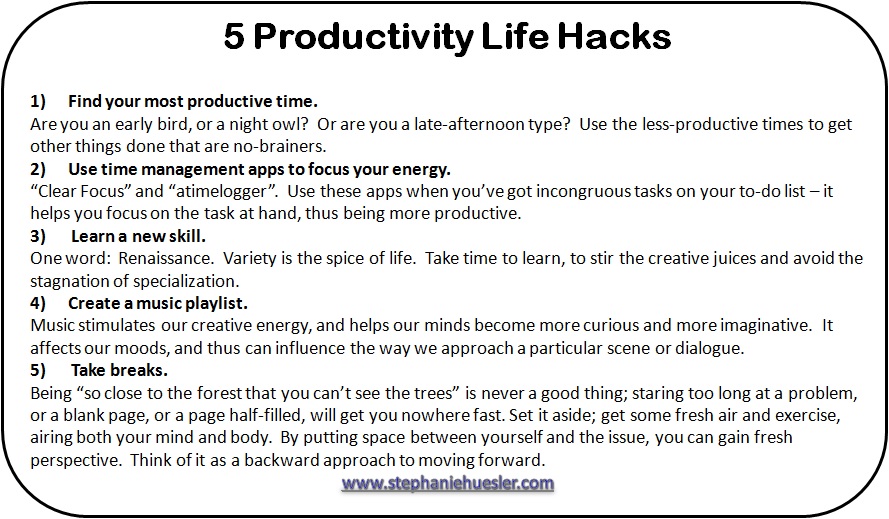
I’ve taken the liberty of making a “cheat sheet” as a reminder of these principles; if it’s helpful for you, feel free to print it out and hang it up where you work or write.

1)   Find your most productive time.

Are you an early bird, or a night owl?  Or are you a late-afternoon type?  Most people have 9-to-5 jobs that dictate when they have free time; but when you are looking for time to write, try to schedule it in your most productive time of the day.  I am an extreme night owl; I need very little sleep and work at home, so my time is flexible; yet my most productive time of the day is between 01:00 and 04:00, with the second-most productive period being late-afternoons. I know this about myself, so I use the less-productive times to get other things done that are no-brainers (housework, shopping, etc.).

2)  Use time management apps to focus your energy.

I have two (android) apps that I use:  “Clear Focus” and “aTimeLogger”.  The first app counts down from the time I set, with a five-minute break following; every three sessions, it encourages me to take a longer break of fifteen minutes.  The second app allows me to log how much time I spend in a particular activity; I have added customized activities such as editing and blogging.  I use these apps especially when I’ve got a dozen incongruous tasks on my to-do list – it helps me focus on the task at hand, thus being more productive.

3)  Learn a new skill.

That may sound a bit odd; after all, it takes time to learn a new skill, right?  But bear with me a moment:  The current thinking of today is that one should become a specialist; the thinking goes that if you focus your energy into learning one skill to a high degree, you will be successful in it.  But I have one word in answer to that:  Renaissance.  During the Renaissance it was considered ideal for one to pursue multiple disciplines; a gentleman of the time was expected to speak several languages, be well-versed in various scientific disciplines such as astronomy, botany, or medicine, and be eloquent with words through writing poetry, play a musical instrument, study philosophy, theology, and so on.  The standard was set, and met – think of all that was accomplished, discovered, and invented during that age!  Variety is the spice of life, and I find that iron sharpens iron – that one skill hones another.  So take some time to learn something new; it will stir the creative juices and get them flowing much more productively than if you stagnate in specialization.  And in gathering new skills, you will add to your arsenal of personal experience from which to draw on when fleshing out characters, worlds, scenes and dialogues.

4)  Create a music playlist.

Spotify is a great invention!  I have dozens of playlists, and depending on what I’m working on, I’ll turn on music to set the mood for a scene I’m writing (for me, it has to be just right or it can be counter-productive), or to speed me up or slow me down.  Music stimulates our creative energy, and helps our minds become more curious and more imaginative.  It affects our moods, and thus can influence the way we approach a particular scene or dialogue.  Just for the record, as I write this, I’m listening to the album Grace by Steven Sharp Nelson (of the Piano Guys).

5) Take breaks.

This is another habit that runs counterintuitively to conventional wisdom, but being “so close to the forest that you can’t see the trees” is never a good thing; staring too long at a problem, or a blank page, will get you nowhere fast.  Frustration builds, making any mental block that much thicker.  Set it aside; get some fresh air and exercise, airing both your mind and body.  By putting space between ourselves and the issue, we often gain fresh perspective.  Think of it as a backward approach to moving forward.  As Steven Spielberg advises, contemplation time is essential in the creative process – don’t fill it with brain work that distracts.  Take a bath.  Do the laundry.  Draw; doodle; do a craft.  Some of my best solutions or plot twists have come while doing a craft.  By the way, crafts encourage abstract thinking, problem solving, and creative perspectives.  To apply this, take a 20-30 minute break after you complete a particular element; sometimes it actually helps me to start that new element before taking a break – it gives my mind time to percolate away from the computer, yet gives me a starting point when I return to work.

I hope these hacks encourage you in developing and honing your craft.  Keep writing!

14 Comments

Filed under Articles, Lists, Nuts & Bolts, Plot Thots & Profiles, Writing Exercise

If These Walls Could Speak

There’s just something about abandoned places that speaks to me; each one has a unique history, and an ending that seems somehow premature.  Whether it be a shopping mall in Thailand now occupied by goldfish; cities within range of the radioactivity of Chernobyl; an island that was once inhabited but now forlorn; an underground station or even an entire train station in the middle of an inhabited city, or an abandoned house, they each have a story to tell.  If their walls could speak, what would they say?  What have they seen?  What would they have liked to see but were prematurely cut off from the habitation or transient experiences of humanity?

DSCN5118 - Overtoun House

Overtoun House. Image Credit: Stephanie Huesler

I once lived in a manor house in Scotland, called Overtoun House; it was often my home over the years that I lived in the UK; once we moved away it fell into disrepair, ransacked by vandals and left to rot by the town council that was charged with its maintenance.  Several years ago I went back to visit and actually cried at the state it had fallen into – it was literally like finding a good friend face down in the gutter.  Finally, a few years ago an organisation moved in to restore the building to its former glory, and it will be used to house women in distressed circumstances.  My husband and I met there in 1991, and this past summer we went back for a visit; it was comforting to see her in good hands once more.

If you google “abandoned places”, you’ll find thousands of photos and stories just begging to be told:  Salton City, former Olympic venues, World War Two installations, train stations, castles, theme parks, homes, libraries (abandoning books is just wrong), subway / underground stations, shipwrecks, asylums, private homes, and even (most tragic of all) the abandoned dead in the “death zone” of Mount Everest.  Each one with a history and a reason they were abandoned, yet also an inspiration for writers to dig below the superficial surface to create an untold tale.

If those walls could speak to your inner writer, what would you hear?  Write it!

21 Comments

Filed under History, Research, Writing Exercise

SWOT Analysis in Fiction

Writing fiction often brings the writer to a crossroads:  Should I take my character(s) down this road or that?  Will they decide this or that, and what will the consequences of either choice or decision be?  Which would fit best into my plot?  All of these questions can be answered by applying a corporate business tool called the SWOT analysis chart.  I have this baby hung on a magnet strip near my desk, along with other prompts such as the sensory image, and I apply it frequently.  Just last week I faced a crossroads:  Would A) my character run away, or would B) another character (or C) take her away?  On the latter question, I had another two options (thus, B & C); I needed the SWOT.

SWOT Analysis Chart, Watermark

This image shows you the variables of each option; internal vs. external influences or attributes of a situation or choice; helpful vs. harmful in reaching the character’s goals, or the consequences of the choices laid before you.  What are the Strengths, Weaknesses, Opportunities and Threats of each path at your character’s feet?

I’ll give you the example of my thought process as I applied it to my historical novel’s fictional situation:  If my character ran away (A) , the strength would be that she would be taking her destiny into her own hands – it’s what you want your main character to do; the threat would be that such an action might raise assumptions that would damage her reputation (was she pregnant?).  The opportunity of doing things in her own timing was overshadowed by the weakness of practicalities:  How would she, without support, get from her family’s estate to Portsmouth, at least a good half-day’s journey by carriage?  If the “B” character (her mother) took her to Portsmouth, the main character would be passive in the decision – the action would happen to her rather than her controlling or causing it.  The opportunity of solving the weakness of “A” by giving her a ride to Portsmouth was a strong incentive, but would raise a bigger threat in that it might seem like the mother was being just as manipulative as the father, forcing the main character into making a choice to suit the mother, which wasn’t the case.  If “C”, her future husband, came to sweep her away from the problems at home, again it would seem that the main female character wasn’t strong on her own two feet, or was too pliable and passive.

I took each scenario through the SWOT rigorously, and in the end I decided – well, when the book comes out next year, you can find out for yourself!

Applying such tools helps you focus your energies on finding solutions, rather than finding yourself stuck in writer’s block.

6 Comments

Filed under Articles, Images, Nuts & Bolts, Plot Thots & Profiles, Research, Writing Exercise