Tag Archives: Germany

The Fascinating History Behind the Fraktur Typeface

Last Sunday at church, a friend filled an entire room with her late father’s books, setting up an impromptu book shop. I chose several books, most of which are in Fraktur typeface, known to some people as “Gothic” or “Old German”. I enjoy reading such books because they offer a snapshot of a cultural way of thinking. The books I chose were printed between 1877 and 1940. The latter date is significant, as you’ll soon see.

First of all, let’s clarify a few terms: Though many people think of font and typeface as interchangeable, in fact, they refer to two different aspects of a writing style. Typeface refers to a particular style of lettering (e.g. Times New Roman), while font refers to the variations within that style, such as size and weight (CAPS, bold, italic, etc.). Another term we know but may not fully understand is Serif: This refers to the small stroke or line attached to the larger stroke of a letter; an example would be an A with “feet” at the bottom of each down-stroke. Sans Serif simply means “without Serif”.

The first moveable-type printing press, designed by Johannes Gutenberg in Germany around 1440, was based on the ancient Roman design of a screw press used to press wine or oil, which in turn went on to be used to press designs into cloths. He was likely familiar with intaglio printing and may have done some work himself in copper engraving.  These designs and uses likely fermented in his inventor’s mind into what became the revolutionary turning point of literacy. Gutenberg’s original typeface was called Donatus-Kalender; the metal type design was itself a form of Textura (more on that in a moment).

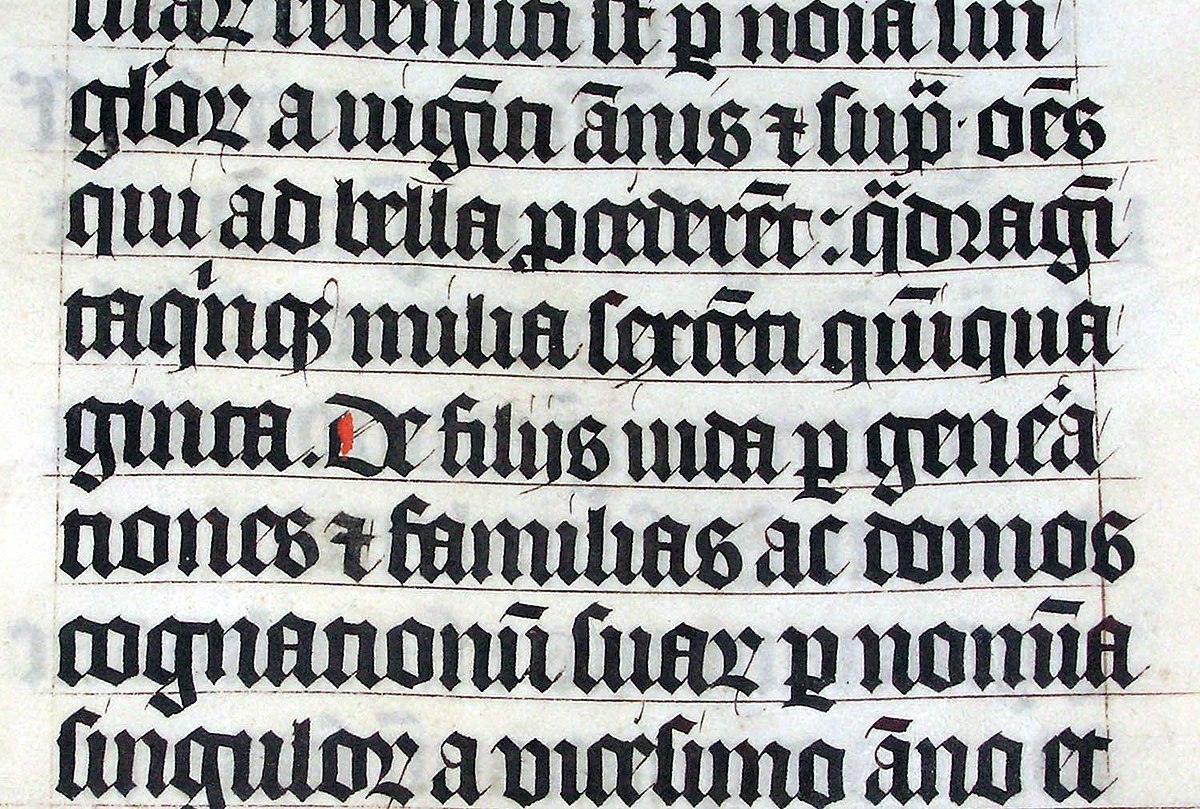
Donatus Kalender
Example of Blackletter (Source: Wikipedia)

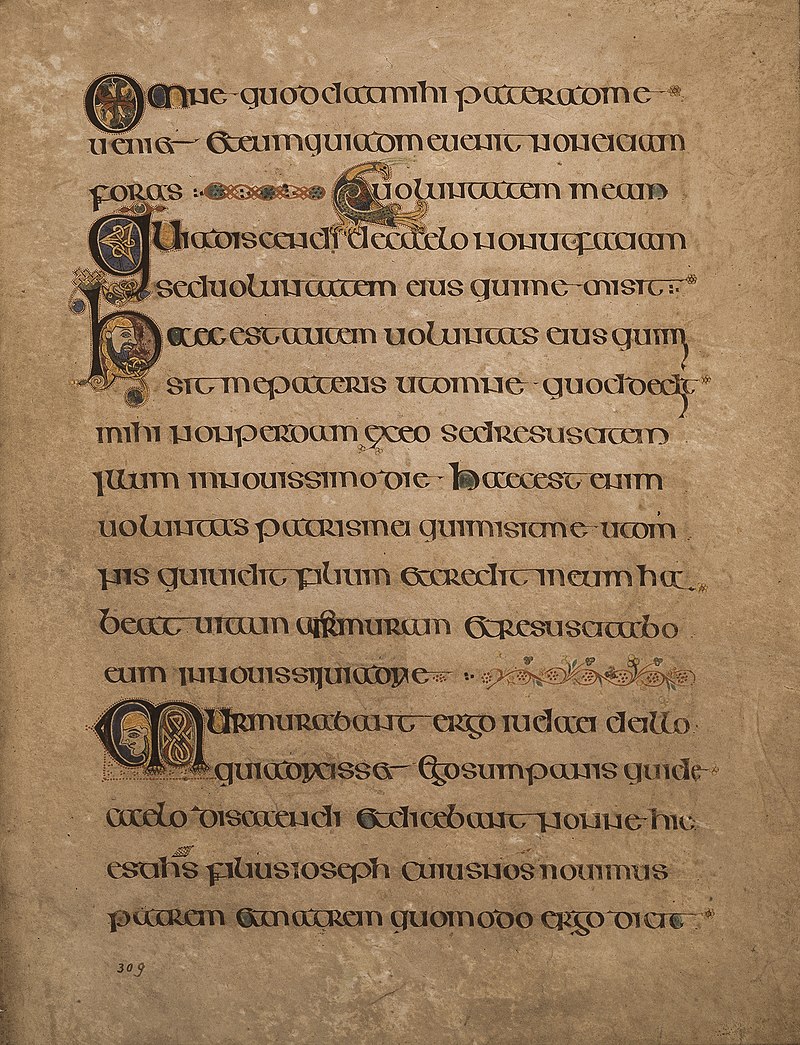
This original family of typefaces was known as “Blackletter”, aka “Gothic scripts”, with the height of popularity peaking around the 14th to 15th centuries. The ancestor of the Blackletter was called the Carolingian minuscule, a calligraphic standard of handwriting widely used in the medieval period, when literacy began increasing and a need for books in a wide range of subjects began to be in demand. It is thought to have been developed in the mid-770s by Benedictine monks north of Paris in the Corbie Abbey, famous for its scriptorium and library. The minuscule itself was derived from Roman Uncial as well as Irish Insular script, which was developed in Irish monasteries and spread throughout Europe.
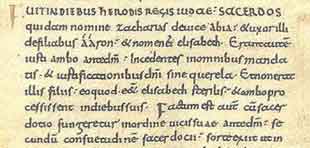
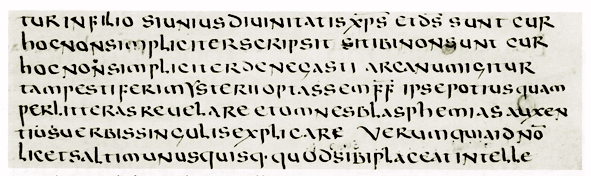
Carolingian Minuscule
Roman Uncial
From the Book of Kells, an example of the Irish Insular script

The family of Blackletter typefaces included Early Gothic, which was a transitional script between the Carolingian miniscule and Textura (the most calligraphic form of Blackletter); Schwabacher was a form popular in early German print typefaces (it became widely known with the spread of Luther Bibles from 1522), in use from the 15th century until it was eventually replaced by Fraktur around 1530, though it was still used alongside Fraktur for emphasis, much like we use bold or italic today.
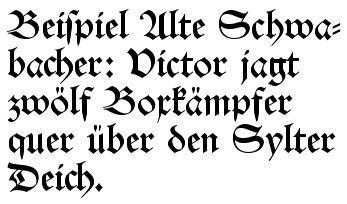
Schwabacher Typeface
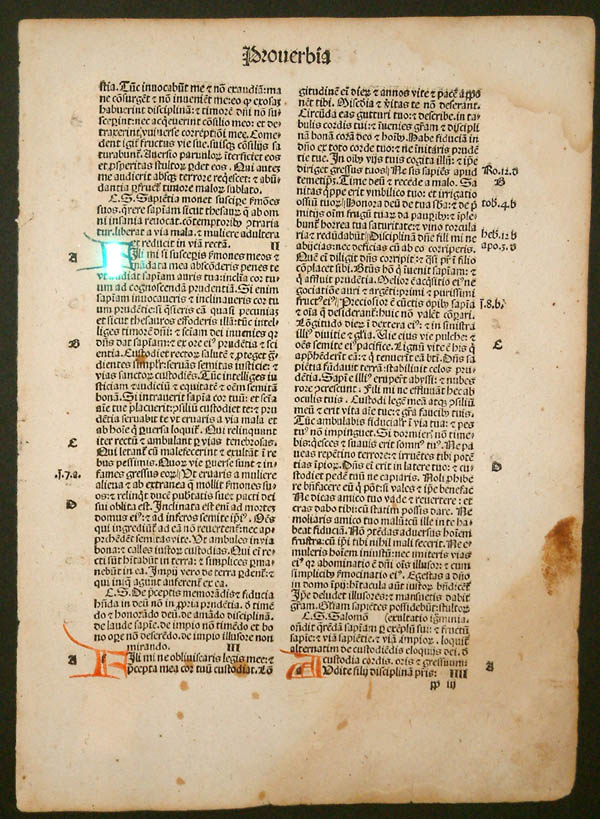
Textura Typeface

Another blackletter typeface developed between 1470 and 1600: Antiqua. This typeface’s letters were designed to look like the handwriting of ancient Roman documents, with the letters flowing together, strokes connecting them in a continuous line, whereas Fraktur was distinguished by having letters “fractured” – separate from one another. The Antiqua-Fraktur Dispute deserves its own article, so stay tuned!

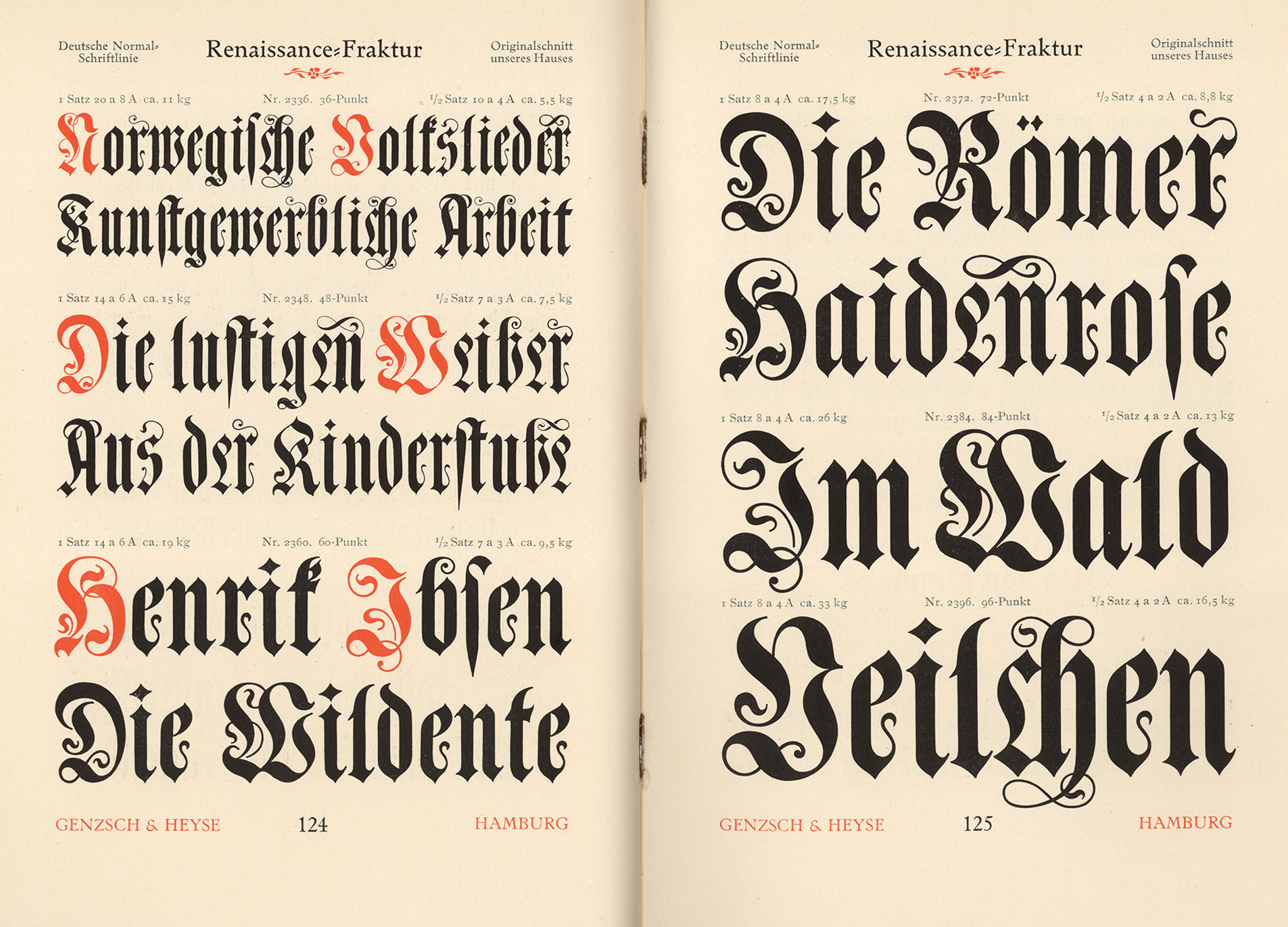
Antiqua Typeface (Source: Wikipedia)
Fraktur Typeface (Source: Fonts in Use)

The Habsburg Emperor Maximillian I (1459-1519) was King of the Romans* from 1486 to 1519 [the title of king was used by the kings of East Francia, the territory later referred to as the Kingdom of Germany, from the time of Henry II (1002) to Joseph II (1764)]. The king commissioned the artist Albrecht Dürer to create a series of woodcut engravings of the Triumphal Arch [Though many are familiar with the Arc de Triomphe in Paris, it is only one example of this ancient Roman architectural feature used as a free-standing structure (rather than the Greek version, which was used within a structure such as a temple).]. These engravings would be used to create what we would recognize today as essentially wallpaper, though its purpose was more of a statement of power or propaganda (read personal marketing) commemorating his nobility, generosity, and military conquests – an incongruous combination, if you ask those conquered… The final composite of printed papers stood nearly 3 metres (12 feet) high and was only one part of a series of three enormous prints commissioned by the king.

Albrecht Dürer’s The Triumphal Arch, for Maximilian I

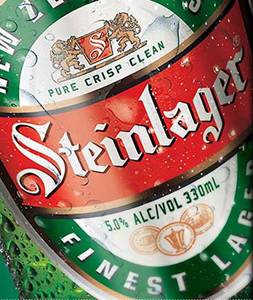
 The Fraktur typeface was designed in the 1530s by Hieronymus Andreae, a German woodblock cutter, printer, publisher, and typographer closely connected to Albrecht Dürer. The typeface was made to decorate the arch, telling the stories of the figures depicted throughout. The typeface became popular in Europe and was in use in the German-speaking world, as well as areas under its influence (Scandinavia, Central Europe, and some eastern European regions), into the 20th century. Specifically, Fraktur was in use in German until 1941, when it was actually banned (which places one of the books I purchased on Sunday within one year of the end of the era of Fraktur!). The atmosphere that led to that ban arose from the dispute mentioned above. Once the Nazis were defeated, the ban was lifted, but Fraktur never regained its widespread popularity after that, though you can still see it occasionally in pub signs or various forms of ads, like beer brands.
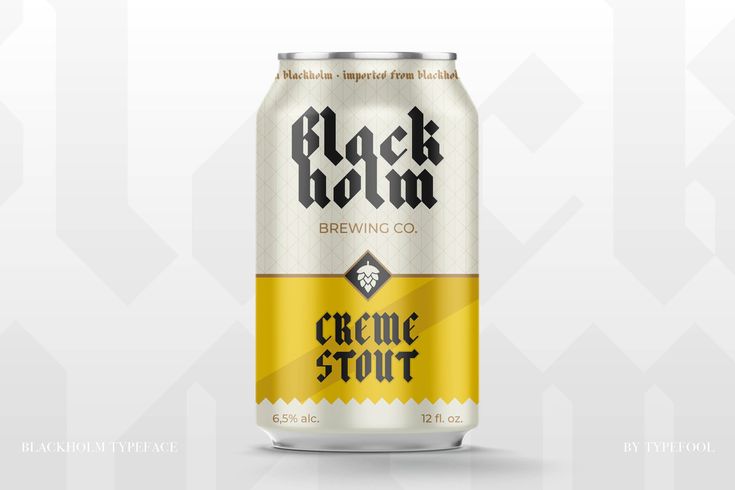
I just pulled two books from my library shelves: One is an English book originally printed in 1895, with my book being printed in 1915; the other is a German book printed in 1892. The typefaces are widely different: The English text likely used the French Oldstyle, while the German book uses Renaissance Fraktur for the text body, while the end pages act as indexes and use a variety of blackletter typefaces, such as Muenchner Fraktur, Antike Kanzlei, and Enge verzierte Altdeutsch. To see examples of the typefaces mentioned here, please click on the link for Fonts In Use.

I hope you enjoyed this jaunt through history! Nearly every name mentioned, every typeface, and every event deserves its own undusting. Next time, we’ll deep-dive into the dispute that lasted well over a century!
3 Comments

Filed under Articles, Etymology, History, History Undusted, Humanity Highlights, Images, Liguistics, Linguistics, Links to External Articles, Military History, Signs, Snapshots in History

History Undusted: If World War I were a Bar Fight

History can be confusing sometimes, especially if it’s distant – beyond our own experience. Who’s who, who did what, and what the consequences were can all seem a bit vague. The analogy below, put into a relatable context, may help you visualize an important bit of world history; I don’t know who came up with the original piece, but it’s brilliant! I’ve made several additions here and there, but otherwise, it’s someone else’s work – if anyone knows who originally came up with this analogy, please let me know so that I can give credit where credit is due!

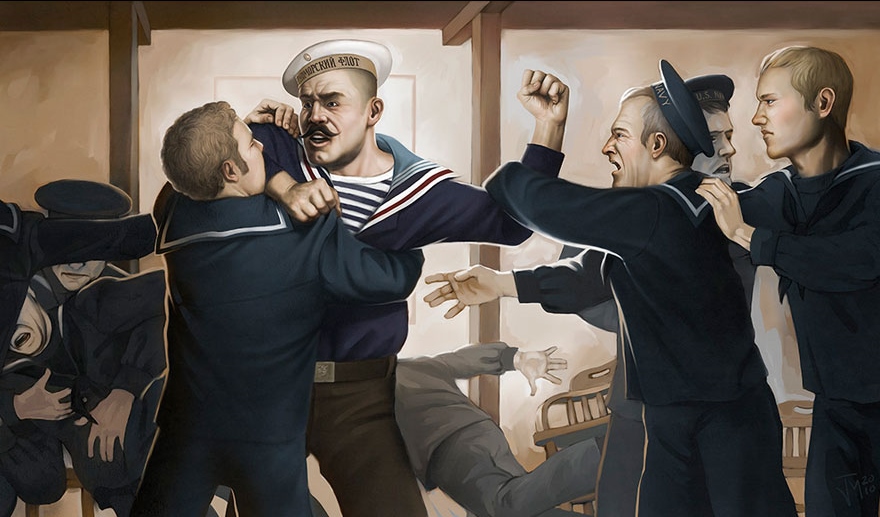
If World War I were a Bar Fight

Bar Fight, World War 1

Germany, Austria and Italy are standing together in the middle of a pub when Serbia bumps into Austria and spills Austria’s pint. Austria demands Serbia buy it a whole new suit because of the new beer stains on its trouser leg. Germany expresses its support of Austria’s point of view.

Britain recommends that everyone calm down a bit.

Serbia points out that it can’t afford a whole new suit, but offers to pay for the cleaning of Austria’s trousers. Russia and Serbia look at Austria. Austria asks Serbia who they’re looking at. Russia suggests that Austria should leave its little brother alone. Austria inquires as to whose army will help Russia make them do so.

Germany appeals to Britain that France has been eyeing Britain, and that it’s unwise for Britain not to intervene. Britain replies that France can look at whoever it wants to, and that Britain has been watching Germany too, and what is Germany going to do about it? Germany tells Russia to stop looking at Austria, or Germany will render Russia incapable of such action anymore. Britain and France ask Germany whether it’s looking at Belgium.

Turkey and Germany go off into a corner and whisper.  When they come back, Turkey makes a show of not looking at anyone.

Germany rolls up its sleeves, looks at France, and punches Belgium and Luxembourg, who had been minding their own business at the end of the bar. France and Britain punch Germany; Austria punches Bosnia and Herzegovina (which Russia and Serbia took personally); Germany punches Britain and France with one fist and Russia with the other. Russia throws a punch at Germany, but misses and nearly falls over.

Japan calls from the other side of the room that it’s on Britain’s side, but stays there.

Italy surprises everyone by punching Austria. Australia punches Turkey and gets punched back.  There are no hard feelings, however,  because Britain made Australia do it.

France gets thrown through a plate-glass window, but gets back up and carries on fighting.  Russia gets thrown through another one, gets knocked out, suffers brain damage, and wakes up with a complete personality change.

Italy throws a punch at Austria and misses, but Austria falls over anyway.  Italy raises both fists in the air and runs around the room chanting. America waits until Germany is about to fall over from sustained punching from Britain and France, then walks over and smashes it with a barstool and pretends it won the fight all by itself.

By now all the chairs are broken and the big mirror over the bar is shattered.  Britain, France and America agree that Germany threw the first punch, so the whole thing is Germany’s fault.  While Germany is still unconscious, they go through its pockets, steal its wallet, and buy drinks for all their friends.

Everyone went home, leaving Germany to pout on the floor planning on how to get even.


Originally posted on History Undusted, September 2015

15 Comments

Filed under History, History Undusted, Military History, Snapshots in History

A Page in History

As a writer, I’m constantly absorbing information; I never know when something might come in handy!  It may inform my scene with more realism, or infuse a character with a quirk or a background that gives them depth.  History is full of oddities and amazing events that can spark our imaginations; the event below is one such event:  If you ever need to write a scene about an explosion, or the effects of wrong decisions gone awry, look to history to teach you how it’s done (or in this case, how it should not be done).  This story shows the importance of decisions, and begs the question, “What if?”  What if one of those factors had changed?  What if the captain of the SS Imo had given way to the captain of the SS Mont-Blanc?  We’ll never know, but as writers, we can use our greatest tool:  Imagination.

This day in history:  The Halifax Explosion

6 December 1917 will live on in infamy in Halifax, Nova Scotia, and in Canada, as one of the worst disasters in history.  On that day, the largest man-made explosion prior to the Nuclear Age occurred, wiping out several communities and reshaping Halifax forever.

The events that led up to the explosion that killed thousands and maimed thousands more reads like a thriller:  The delay of a shipment of coal; the climate of war that complicated the comings and goings from the harbour; an experienced captain now behind schedule who “bent the rules” for once; the captain whose impatience at previous delays pressed him to disregard the harbour speed limits and refuse to give way a third time; the third ship in his path who, because of their cargo (tons of explosives), could not make sudden manoeuvres and was relying on him to give way; a right decision made too late.  Curious onlookers who gathered at their windows to watch the blazing ship in the harbour had little idea that it would be the last thing most of them would ever see; if they were not obliterated in the initial blast, the light from the flash or the window glass shattering [in virtually every window within a 2.6-kilometre (1.6 mile) radius] blinded them; some 5,900 eye injuries were treated, leaving over 40 survivors permanently blind.

Confusion after the initial blast was compounded when people began evacuating thinking that it was a German bomb attack; fires throughout the city (caused by tipped oil lamps and ovens in collapsed homes) added to the confusion and hindrance to rescue efforts,  but within a few hours the true cause had become widely-enough known to calm initial fears.  Rescue teams started arriving from as far away as 200 km (120 miles), their help hampered by damaged roads and fears of secondary explosions from a munitions magazine at the Wellington Barracks.  To make matters worse, the next day blew in a blizzard which dumped 41 cm (16 inches) of heavy snow on the area; this blocked train transport with snowdrifts, and tore down hastily-erected telegraph lines.  Halifax was isolated, though the snow did help to extinguish the fires throughout the city.

Here in Switzerland, the NZZ (Neue Zürcher Zeitung) reported on the 7th of December:

“Zerstörung der Stadt Halifax? New York, 6. Dez. (Havas.)  Aus Halifax wird gemeldet: Die Hälfte der Stadt Halifax sei ein Trummerhaufen infolge einer Explosion.  Die Verluste werden auf mehrere Millionen geschätzt.  Der Nordteil der Stadt steht in Flammen.  Es gibt hunderte von Toten und an die tausend Verwundete.

[“Destruction of the city of Halifax?  New York, 6 December (Havas – a French media group based in Paris.)  From Halifax was reported:  Half of the city of Halifax lies in ruins as a result of an explosion.  The loss has been estimated at several million (unclear whether it means Canadian dollars or Swiss Francs).  The northern part of the city is in flames.  There are hundreds of dead and thousands injured.”]

On the 8th of December, a similar footnote was reported, adding, “Kein Haus der Stadt ist unbeschädigt geblieben…” (“No house in the city has remained undamaged”)

That it even made it into a footnote of the international news section is actually remarkable, considering that Switzerland was surrounded by war at the time and had far more pressing matters on the home front and in neighbouring countries with which to keep abreast.

In the end, it is estimated that over 2,000 people were killed and 9,000 injured (of those injured, it is unclear how many died of the injuries, and how many were permanently disabled in some way).  The blast was so hot that it evaporated water in the harbour, exposing the harbour’s floor momentarily; as water rushed back in to fill the void, the resulting tsunami erased a settlement of  Mi’kmaq First Nations along the shores of Bedford Basin, on the Dartmouth side of the harbour; how many were killed is not known, though around 20 families lived there at the time.

Halifax Explosion, 6 December 1917To read the fascinating history of this event, please click here.

Sources:  Wikipedia; NZZ digital archives

8 Comments

Filed under Articles, History, Plot Thots & Profiles, Quotes, Research, Translations