
 I run a forum on a British writers’ website for grammatical problems, and answer questions that come up in the course of their writing projects. This week the question came up about that little word, “that” – when to use it and when to lose it. When do you use that? When do you use a comma instead? And when is neither one necessary? Ah, what a tangled web we weave, when first we practice proper grammar. Hey, just kidding – it’s not that complicated! Sometimes it doesn’t matter, and sometimes it can be confusing without it. So, here’s the low-down:
1) Remember Rhythm: How does your sentence flow? Read your sentence aloud; does it have a better rhythm with or without that? When in doubt and rhythm / comprehension is fine with or without, use it – inclusion may benefit the understanding of the sentence as a whole, and omission may cause misunderstandings. Sometimes using that is a matter of personal taste. Here’s a sentence that could be understood with or without: “Fiona thinks (that) Alistair works too hard.”
If you’ve already got a that in the sentence elsewhere, consider how your sentence can be reworded to avoid an overload. A double that is usually unnecessary. In the sentence, “I realised that that would not be a good idea” the first that (acting as a conjunction, whereas the second acts as a pronoun) could be eliminated, aiding the flow but not impeding the comprehension. Sometimes that is required in one part of a sentence, and when a second that comes up a choice needs to be made: Take this sentence, from an AP report: “Ford Motor Co. warned that it no longer expects to return to profitability by next year and that it is trimming North American production of pickups and SUVs for the rest of this year because of high gas prices and a shaky economy.” The second instance could be eliminated thus: “…next year; it is trimming…”
2) Comprehension: Sometimes a sentence can be unintentionally misleading, and using that can help clarify. For example, “Fiona maintains Alistair works too hard.” Does Fiona maintain Alistair and he works too hard? If you insert a that after maintains, it becomes clear that maintains refers to an opinion, and not maintenance of Alistair.
Sometimes in our writing, however, we want to intentionally lead the reader or a character down the garden path toward the wrong conclusion. It’s a fine art, and understanding how another person interprets what you’ve written or could interpret it goes a long way toward walking that fine line between misdirection and deception; the first will leave a “gotcha” smile, and the latter might leave your next book unread…. As a plot element, it has its uses; but as a badly written sentence, it only results in confusing and frustrating the reader, who has to find the beginning of the sentence and read it again to understand it properly.
3) Commas: Commas can sometimes replace the word that. In this example, “Peter Coveney writes that ‘[t]he purpose and strength of . . .’” it would never be “Peter Coveney writes that,…” or “Peter Coveney writes, that…” though it could be, “Peter Coveney writes, “…””
I hope that helps some of you dealing with similar issues in writing!

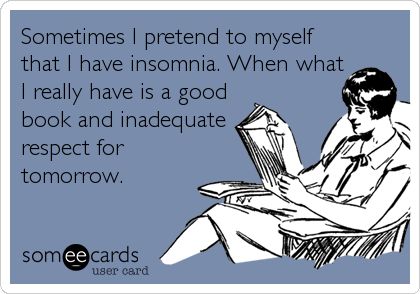 For me, reading a book is about escaping to a new world, diving into that world through the medium of the senses that are stimulated by well-chosen words, precision instruments that play a symphony of emotions, smells, sights, sounds, touches, tastes, balance and harmony. I’ve never really appreciated books that are written with gratuitous scenes of violence or sex; sometimes it seems to me (as a reader) that writers throw in scenes willy-nilly to spice things up or to patch over the fact that they haven’t researched and developed their characters thoroughly, or because they run out of plot ideas and just spin their wheels. Such scenes grate against my senses just as much as random punctuation or bad spelling does. If such elements are not organic, logical, and a natural development of the plot, they do not belong there. Period. It’s an insult to my intelligence and a brazen demand on my “believability credits” that is frankly not the author’s to demand… those credits are something that I as a reader give gladly to a good writer, but a writer has to earn them, and has no right to demand that I suspend disbelief to dive into their story when they haven’t bothered to make it believable. The writer’s job is to earn those credits through good writing, good writing, and good writing, i.e. plot, character development, grammar, syntax, orthography, and structure.
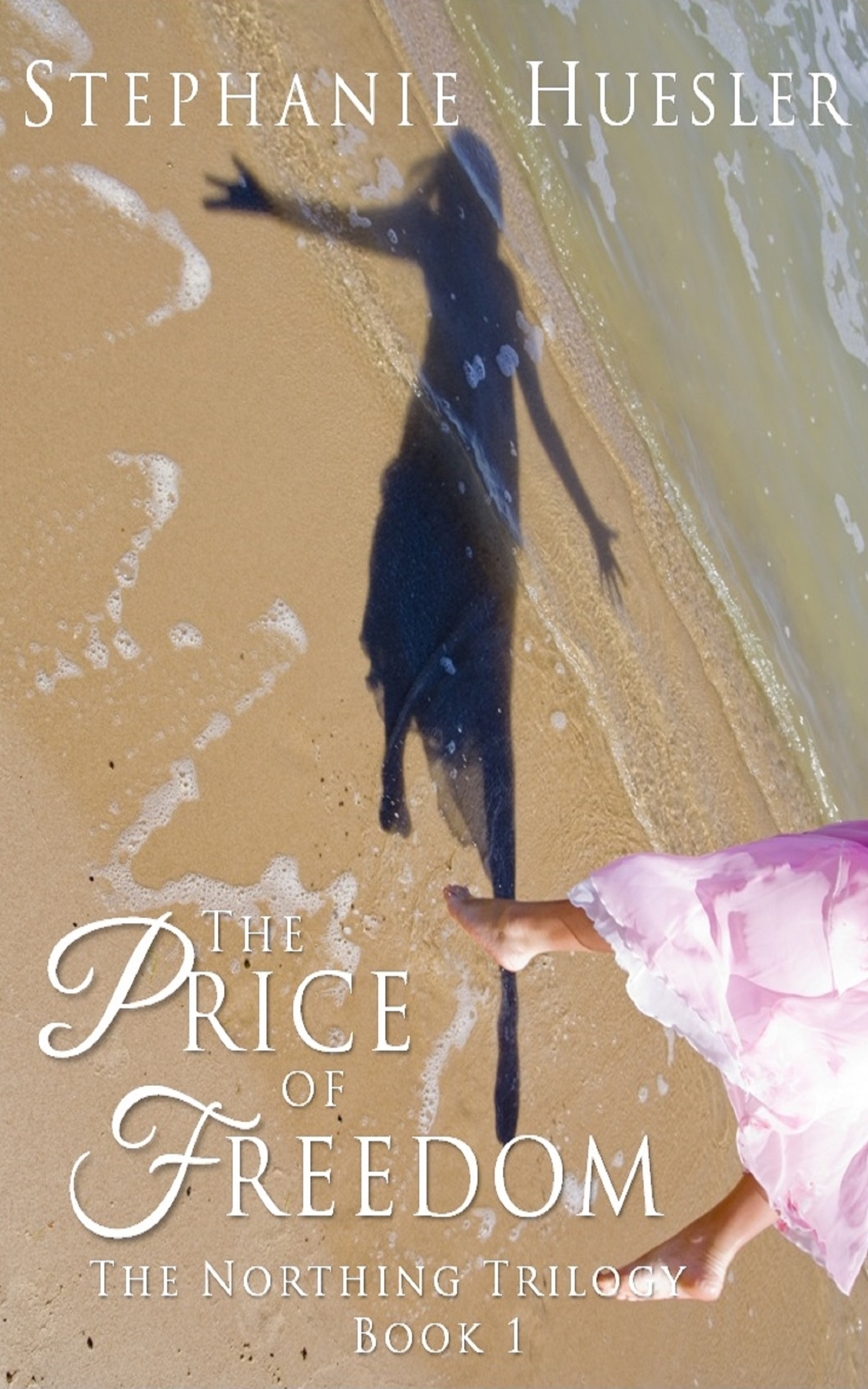

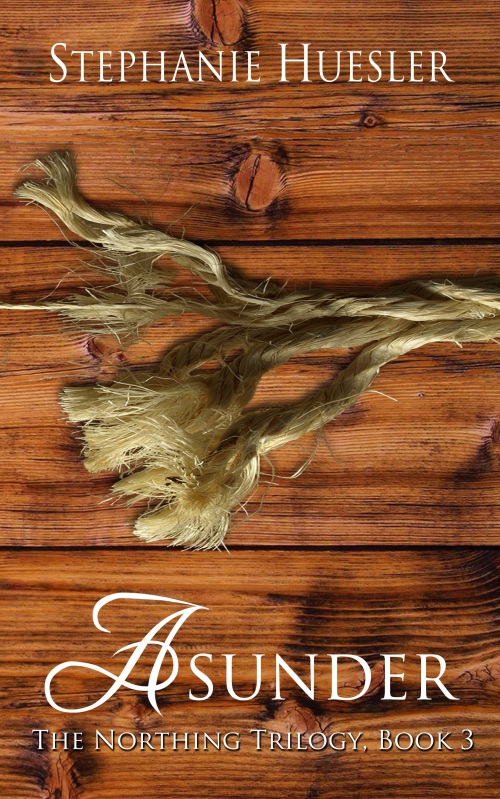


 Stephanie Huesler