This was posted by Andy over at his blog, and I just had to repost it – the questions are priceless, but I love the answers. True sarcasm is a fine art.
Obviously the answers are a joke; but the questions were (apparently) really asked.
Q: I have never seen it warm on Canadian TV, so how do the plants grow? ( England )
A. We import all plants fully grown and then just sit around and watch them die.
Q: Will I be able to see Polar Bears in the street? ( USA ) 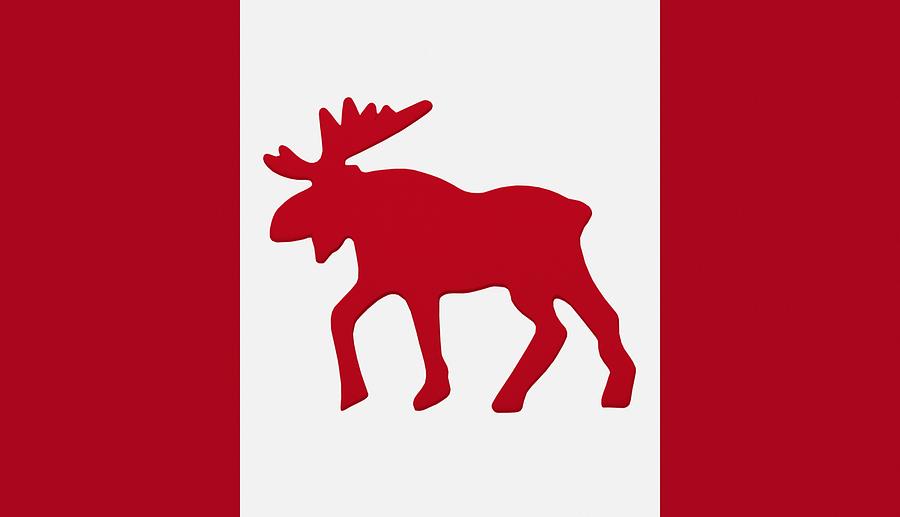
A: Depends on how much you’ve been drinking.
Q: I want to walk from Vancouver to Toronto – can I follow the Railroad tracks? ( Sweden )
A: Sure, it’s only Four thousand miles, take lots of water.
Q: Is it safe to run around in the bushes in Canada ? ( Sweden )
A: So it’s true what they say about Swedes.
Q: Are there any ATM’s (cash machines) in Canada ? Can you send me a list of them in Toronto , Vancouver , Edmonton and Halifax ? ( England )
A: No, but you’d better bring a few extra furs for trading purposes.
Q: Can you give me some information about hippo racing in Canada ? ( USA )
A: A-fri-ca is the big triangle shaped continent south of Europe Ca-na-da is that big country to your North…oh forget it. Sure, the hippo racing is every Tuesday night in Calgary Come naked.
Q: Which direction is North in Canada ? ( USA )
A: Face south and then turn 180 degrees Contact us when you get here and we’ll send the rest of the directions.
Q: Can I bring cutlery into Canada ? ( England )
A: Why? Just use your fingers like we do.
Q: Can you send me the Vienna Boys’ Choir schedule? ( USA )
A: Aus-t ri-a is that quaint little country bordering Ger-man-y, which is…oh forget it. Sure, the Vienna Boys Choir plays every Tuesday night in Vancouver and in Calgary , straight after the hippo races. Come naked.
Q: Do you have perfume in Canada ? ( Germany )
A: No, WE don’t stink.
Q: I have developed a new product that is the fountain of youth. Where can I sell it in Canada ? ( USA )
A: Anywhere significant numbers of Americans gather.
Q: Can you tell me the regions in British Columbia where the female population is smaller than the male population? ( Italy )
A: Yes, gay nightclubs.
Q: Do you celebrate Thanksgiving in Canada ? ( USA )
A: Only at Thanksgiving.
Q: Are there supermarkets in Toronto and is milk available all year round? ( Germany )
A: No, we are a peaceful civilization of Vegan hunter/gathers. Milk is illegal.
Q: I have a question about a famous animal in Canada , but I forget its name. It’s a kind of big horse with horns. ( USA )
A: It’s called a Moose. They are tall and very violent, eating the brains of anyone walking close to them. You can scare them off by spraying yourself with human urine before you go out walking.
Q: Will I be able to speak English most places I go? ( USA )
A: Yes, but you will have to learn it first.


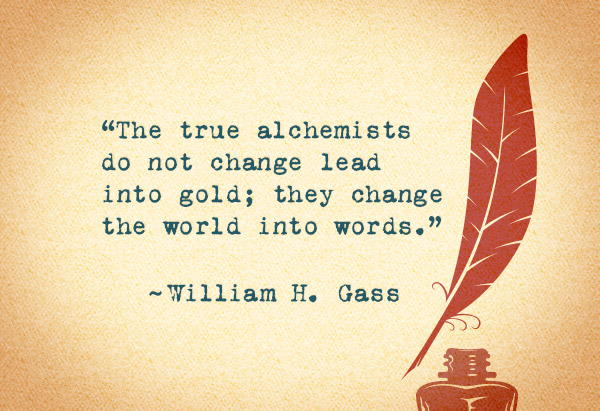
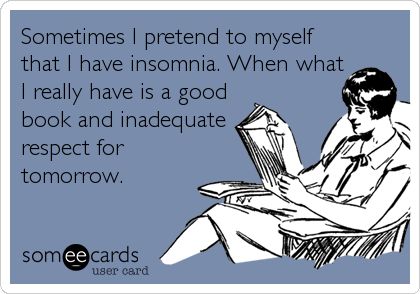 For me, reading a book is about escaping to a new world, diving into that world through the medium of the senses that are stimulated by well-chosen words, precision instruments that play a symphony of emotions, smells, sights, sounds, touches, tastes, balance and harmony. I’ve never really appreciated books that are written with gratuitous scenes of violence or sex; sometimes it seems to me (as a reader) that writers throw in scenes willy-nilly to spice things up or to patch over the fact that they haven’t researched and developed their characters thoroughly, or because they run out of plot ideas and just spin their wheels. Such scenes grate against my senses just as much as random punctuation or bad spelling does. If such elements are not organic, logical, and a natural development of the plot, they do not belong there. Period. It’s an insult to my intelligence and a brazen demand on my “believability credits” that is frankly not the author’s to demand… those credits are something that I as a reader give gladly to a good writer, but a writer has to earn them, and has no right to demand that I suspend disbelief to dive into their story when they haven’t bothered to make it believable. The writer’s job is to earn those credits through good writing, good writing, and good writing, i.e. plot, character development, grammar, syntax, orthography, and structure.