Tag Archives: Pliny the Elder

History of Everyday Objects Undusted: Sponges

Today, let’s dive into the topic of sponges.

Natural sponges are sessile (immobile) marine invertebrates of the animal phylum Porifera (pore-bearing). They lack complex nervous, digestive, and circulatory systems but rely on constant water flow through their bodies to take in nutrients and oxygen, and to remove waste. There are nearly ten thousand known species; some feed on planktonic bacteria; others host symbiotic organisms to thrive, and some have even developed predatory survival strategies in nutrient-poor environments.

Natural sponges have been used by humans for thousands of years; archaeological excavations have found evidence of sponges used to plaster and paint the queen’s walls at Knossos (the Minoan culture of Crete, c. 1700 to 1400 BC). They have been found on Greek pottery from around 760 BC in depictions of thermal scenes or as status symbols. Oppianus Cilicius (2nd C BC) was the first to write about those fishing for sponges, including details about the spongers’ lifestyles and diets, and the dangers they faced from shark attacks (for an interesting video on the topic of modern spongers, click here). Aristotle (384–322 BC) described the “elephant nose-like tube” used by the sponge divers to breathe. In the Iliad and Odyssey, Homer makes reference to sponges as hygienic utensils. Pliny the Elder (AD 23-79), among others, described the uses of sponges in agriculture and cooking. Cicero (106-43 BC) referred to their use in washing or cleaning. Roman legionaries were supplied with sponges to stuff into their helmets, for personal hygiene, and for drinking (their ancient solution to a water bottle); let’s hope that those were three different sponges allotted. This explains the presence of a sponge at the cross in Matthew 27:48/Mark 15:36/John 19:29.

The first use of a sponge with inhaled surgical anaesthesia is recorded in AD 1025 by the Persian physician Ibn Sina, who used a concoction of potent (=poisonous) sedatives of opium, mandrake and hemlock. Medieval European physicians sometimes used crude herbal mixtures or opium sponges to administer a type of anaesthetic, but it was a far cry from what we know today; at best, it got the patient drunk or high enough not to scream as loudly.  Ether vapour as an anaesthetic didn’t make its way into use in Europe until 1846, at the London University College’s theatre.

By the mid-twentieth century, overfishing brought both the sponges and the industry close to extinction. Overharvesting strained the sponge populations around the Mediterranean and the Caribbean; other stresses include storms (which can suffocate them with sand and debris, or rip them loose from their anchors) and climate change (disease outbreaks occur more frequently in warming ocean temperatures). The depleted population also puts stress on the entire environmental chain: Sponge feeders, such as parrotfish or angelfish, move on; without their presence, rapid-growing sponge species smother reef-building corals, which in turn reduces breeding, hiding, and feeding places for other marine species. Changes in harvesting policies and practices in some regions may mitigate these issues: By cutting the sponges loose rather than ripping them out, sponges have a chance to regenerate. But as more people in the First World become concerned with using natural products, marine sponges will continue to be (over-)harvested.

Sponges today are usually synthetic, invented in 1937 by the German scientist Otto Bayer, who (in the good ol’ fashioned way a lot of discoveries have been made) accidentally created polyurethane foam. By the 1940s, the DuPont company had begun mass-producing sponges made from wood pulp, hemp fibres, and sodium sulphate. By the late 1950s, dual-purpose sponges were introduced.
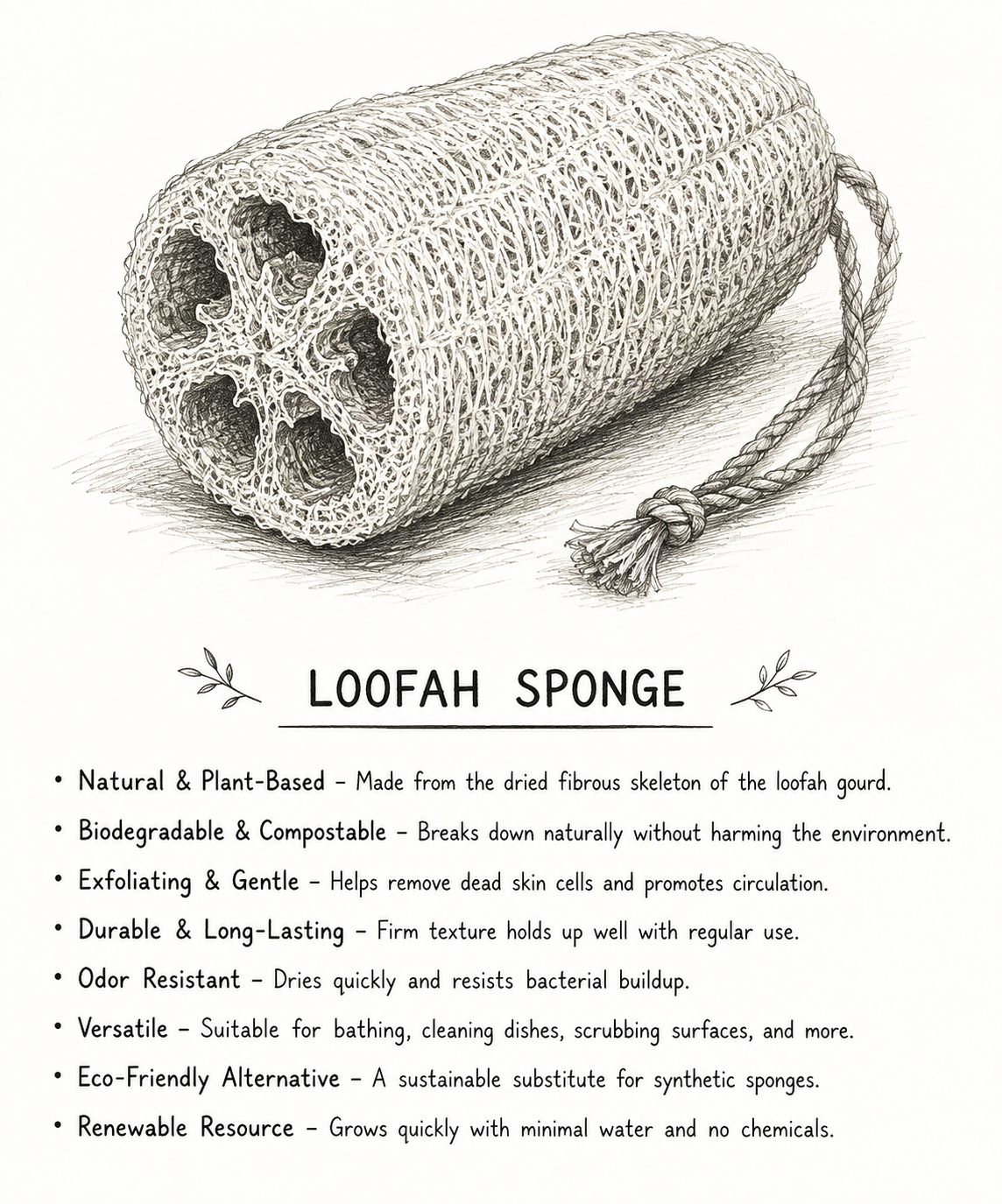
An alternative to both the marine- and synthetic sponges is the Loofah (Luffa) gourd: Besides being a food in the earlier stages of its cycle, when these gourds are left on the vine to dry out, they become a fibrous, natural sponge. For a short video on how to harvest and use a luffa gourd sponge, just click here. If I had a garden, I would certainly try to grow these!

What kinds of sponges do you have in your home? I hope this helps you appreciate the humble sponge, whichever form you use.
7 Comments

Filed under History Undusted, How It's Made, Humanity Highlights, Images, Links to External Articles, Military History, Nature, Research, Science & Technology, YouTube Link

Insatiable Fascination

Throughout history, people have always been fascinated by thinking beyond their own known world; before widespread writing and reading, ancient cultures thought about their own mortality (which, in some ages, wasn’t that far off) and the afterlife. Various cultures prepared for the afterlife in their own ways: The Egyptians removed organs and embalmed the rest, making sure to send on the heart & co. in separate jars (except the brain – who’d need that in the next world?), then sent them on their way with an army of servants (killed for the occasion); the Vikings buried their most honoured dead within a ship with their favourite animals and servants (ditto). Other cultures built pyres to send their loved ones up in smoke.

When writing came along, at first it was used to capture the past and the natural world, ala Pliny the Elder; poems, sagas, verbal tales and folklore began to be recorded; we have such writings still with us today: The Greek Epic Cycle, the Orkneyinga Sagas, the Heimskringla, the Poetic Edda.

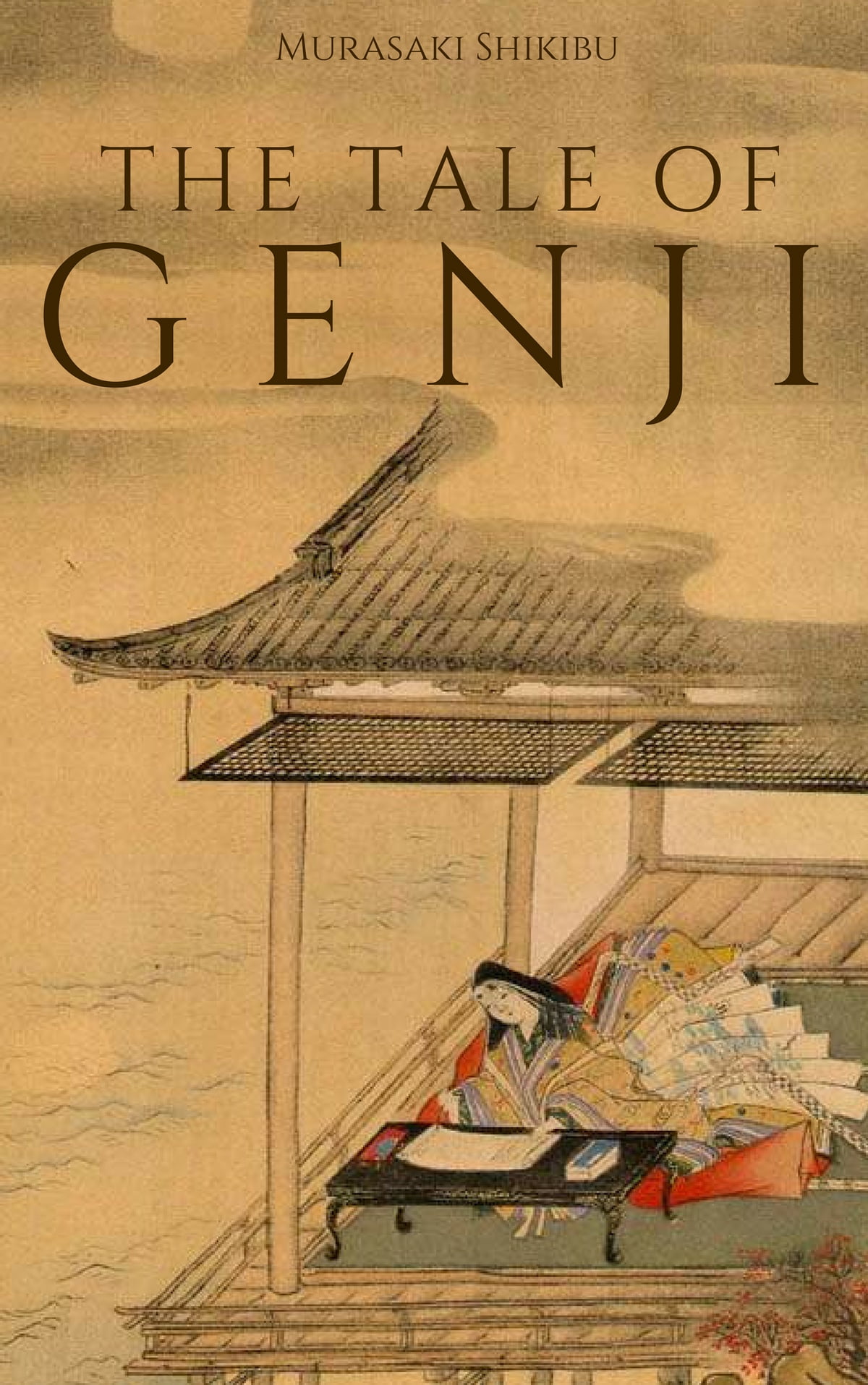
The first novel came along only 1,000 years ago: The Japanese epic The Tale of Genji was written by a woman, Murasaki Shikibu; novels were, for several centuries more, considered on the bottom rung of the literary hierarchy ladder, far behind “serious works” like history. Ironically, Mark Twain referred to history as “fluid prejudice”; it was nearly always recorded by powerful (white) men – hardly ever by a commoner, a member of an ethnic minority, or a woman. The interpretation of events was firmly in the hands of the conquerors. Because of that fact, for instance, we know more about Rome’s version of ancient Britons (Picts, Celts) than we do from their own artefacts; most Celtic and Pictish art is found outside of the UK – many carried off by the Vikings, but that’s another tale. Hollywood has helped perpetuate some of those ancient Roman notions (think of a blue-faced Mel Gibson in Braveheart).

In fact, we don’t even know what the Picts called themselves – the term derives from the Latin Picti, first seen in the writings of Eumenius in AD 297. It can be interpreted (dangerous words) as “to paint” – but there is no evidence that any people groups in northern Britannia painted themselves. Picts is simply a generic term for any people living north of the Forth-Clyde isthmus who fought the Roman Empire’s advancements into their territories. Again, the ink of history flowed from a Roman stylus.

Even Jane Austen herself didn’t begin publishing her novels under her own name. She was a single young woman – for shame that she would dare stain the male-hallowed ground of literature. The saga of how she got published speaks to her tenacity and the support of her family. But she got the last laugh, becoming famous within her (short) lifetime, and she is far better known today than any of the stuffy old men who wrote “proper” books of her day.

The insatiable fascination with other perspectives than our own explains why novels are so popular today. They take us into another time, place and situation, leading us through a story that, if written well, we can relate to and perhaps learn something from. In 1726, Jonathan Swift gave us Gulliver’s Travels. Though he originally wrote it as political satire, to “vex the world rather than divert it”, we know it still today. The fascination with someone being a giant in one land and a miniature in the next grabs our imagination; he travels to floating kingdoms, to an island of immortals, a la Death Becomes Her, and a land of talking horses.

Book Nook (Instagram repeat)

In the age of internet, visual arts have expanded as far as the global imagination can span: Not only paintings or drawings, but even crafts take us into another perspective. I recently saw a series of images in which people have taken the humble walnut shell and turned them into tiny worlds with bookshelves, ladders, lamps, beds and creatures. Book nooks are popular, too: A tiny village, street, or room within the space of a book on a shelf. Science fiction art takes us off-planet.

Films are visual perspectives that take us into other worlds, times and places: When George Lucas showed us a “commonplace” bar scene on Tatooine in the Mos Eisley Cantina in Star Wars, he blew our minds and kicked off a new era of visual storytelling. Avatar took us to another planet and another perception of reality, all the while being an allegorical tale of ecological care vs. abuse. Somewhere along the way, sometime in your life, I’ll bet you’ve been fascinated by a different perspective, whether presented to you through a book, a documentary, a sermon, a play, a film or a conversation.  What did you learn from that encounter? How did it change you, or help shape your perspective? And what is your favourite “escape”: Films, books, visual arts, or music? Please comment below!

8 Comments

Filed under Articles, History Undusted, Humanity Highlights, Images, Psychology Undusted