Tag Archives: Wichita

Etymology Undusted: Native American Borrowings

Though some of these words have probably made it across the Pond, American English is the focus of these borrowings: When the pioneers and explorers began moving westward across the North American continent, they encountered geographical features, plants, animals, and situations for which they as yet had no word; thus, the Native American words were borrowed. I won’t go into the sordid history of colonisation’s tactics here; suffice to say, it was not a mutual exchange once Europeans began arriving in larger numbers.

According to some estimates, nearly half of the U.S. state names derive from or are directly related to the regional indigenous tribes. Here are a few place name examples: Chicago (from the Miami-Illinois Myaamiaki tribe’s word, shikaakwa, wild onion); Dakota (from the Sioux language, meaning friend or ally); Oklahoma (from Choctaw, red people); Utah comes from the Ute tribe; Mississippi (from the Ojibwe phrase misi-ziibi, meaning great river); Milwaukee (Algonquian, meaning good land); Alabama (from the Alabama tribe, Alibamu); Alaska (from the Aleut word alaskag or alyeska, meaning mainland or great land); Connecticut (from the Mohican/Algonquian word quinnehtukqet, meaning beside the long tidal river); Iowa was named for the Ioway people, commonly interpreted as beautiful land; Kansas, named for the Kansa/Kaw tribe, often translated as people of the south wind; Wichita, Kansas was named for the Wichita tribe.

Some animal names include caribou, chipmunk, husky, moose, muskrat, opossum, raccoon, skunk, woodchuck, coyote, ocelot, mole, chinchilla and condor.

Some geographical features include Lake Tahoe (Big Water); Potomac River (Place where people trade); Mount Moosilauke, New Hampshire, from moosi and auke, meaning bald place; Mount Tamalpais, California (from the Coast Miwok people, meaning bay mountain);

One example of the reverse is that the Ochese Creek tribe were called Creek after the geographical feature. Creek is likely from Old Norse kriki, meaning corner or nook, extended to inlet or short arm of a river; a Swedish dialect has krik, meaning corner, bend or creek, cove.

And finally, a few botanical borrowings (including some from the Nahuatl, or Aztec, tribe*): Hickory, pecan, persimmon, squash, succotash, chayote, pawpaw (tree), guava, avocado*, tomato*, guano*, mesquite*, and mezcal*.

Do you know any other words borrowed from Native American languages? Please share them in the comments!

(AI Gen Image)

7 Comments

Filed under Articles, Etymology, History, Liguistics, Linguistics, Lists, Nature

Virtual Tours 1: The Titanic

Happy New Year, everyone!

With everything that hit the fan last year worldwide, I know that many of us have been missing the opportunities to go out and get some stimulation: Restaurants in many places are closed or reduced to take-away; concerts and theatre productions are cancelled until further notice; museums are closed; if shops are open, they may be closing earlier. For many of us, our “third place” has had to close its doors to us.

So I thought I’d take you along on virtual tours: Tours of factories to see how things are made, of museums, of beautiful places around the globe, of interesting architecture, of historical moments, or of quirky bits and bobs that make this world a colourful and interesting place.

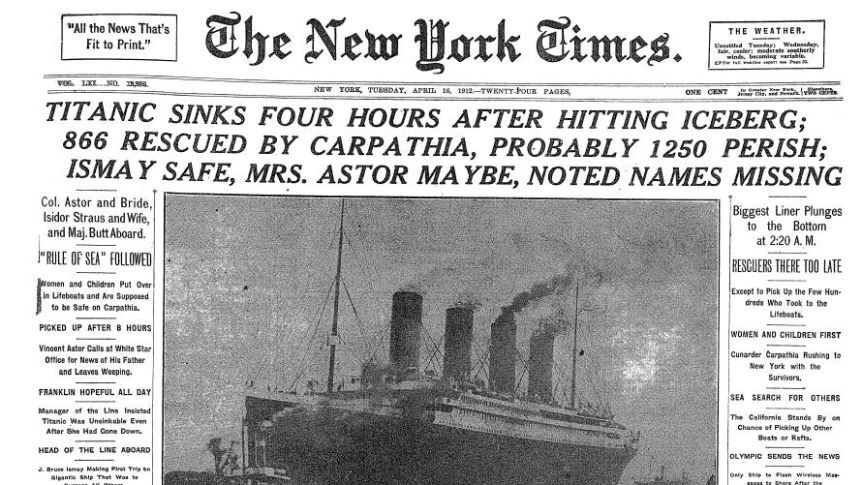
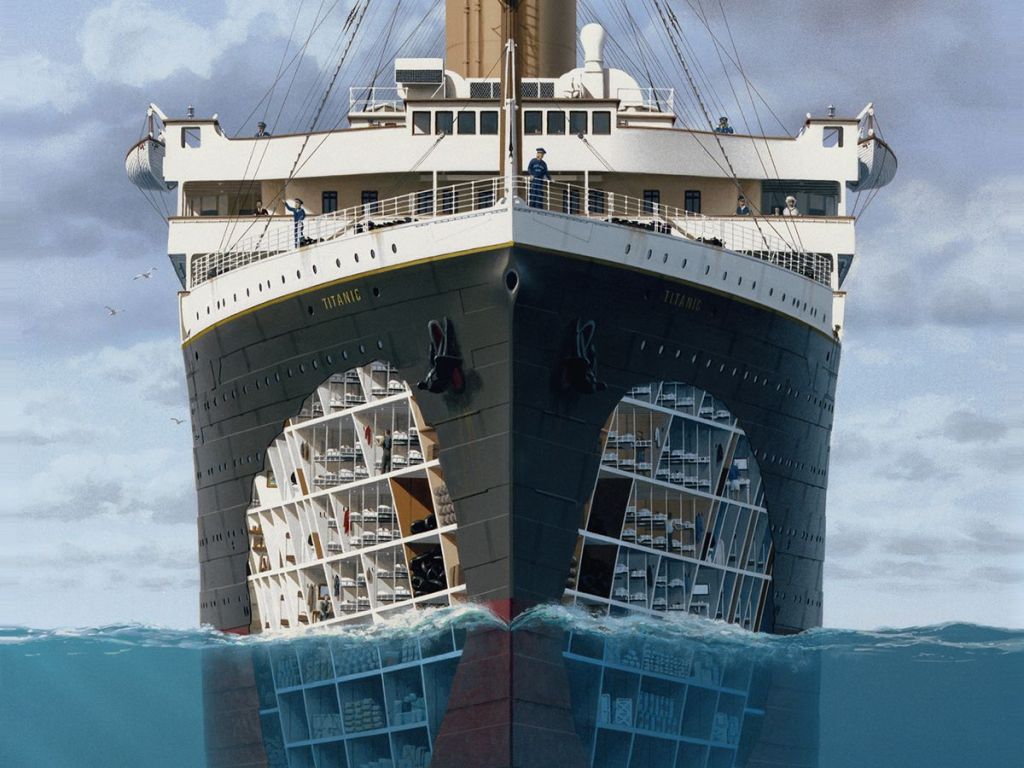
To start off our tours, let’s take a walk-through on the Titanic, as it was before it let in the passengers for its maiden voyage. It embarked on that voyage on 10 April 1912, hit an iceberg on 14 April at 23:40, and 2 hours and 40 minutes later, on 15 April, finally sank forever. The final survivor of the sinking, Millvina Dean, aged two months at the time, died in 2009 at the age of 97. What I find interesting about her story is that her parents, from Branscombe, England, were planning to settle in Wichita, Kansas – where I was born and raised. Her father had relatives there, whom they were planning to join. They weren’t supposed to be aboard the Titanic, but due to a coal strike, they were transferred to the ill-fated ship. To read more of her story, please follow her link.

If Covid’s limitations were lifted right now, and if you had a spare £86,000 ($ 105, 030) burning a hole in your pocket, you could take a real tour of the Titanic and take part in diving expeditions. But barring those two factors, I’ve found a few simpler (and FREE!) alternatives (Just click on the images below each description):

This first link is a 22-minute tour; if you are easily seasick, I’d recommend pausing it occasionally.

This second link is for a slower and smoother version, at 116 minutes (1:56).

This third link is a fascinating documentary following the lives of some of the passengers aboard the Titanic, focusing on 14 from the same Irish village. Three survived to tell the tale.

I hope you enjoyed it as much as I did; I don’t know if “enjoy” is the right word in such a situation, but I hope it was at least a satisfying, intriguing glimpse into history. I’ve got slews more tours on the agenda, so buckle up!

2 Comments

Filed under Articles, History, History Undusted, Links to External Articles, Snapshots in History, Virtual Tours