Category Archives: Images

History Undusted: Makeup

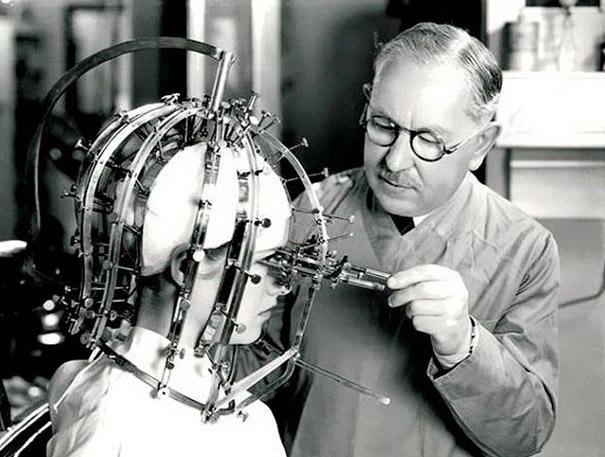
This device from 1930, invented by Max Factor (pictured), helps correct the application of makeup. Note: It’s only this complicated when a MAN does it…

Limbo-life goes on, but I thought I’d do a bit of dusting… of history, that is. I love historical images – they have a story that may have gotten lost over the years, or may document a significant achievement, such as the moon landings. Then there are those lovely photographs of bygone inventions: Some have succeeded into the modern era, while others were dumped somewhere along the wayside (and rightly so). Fortunately, the photo above falls into the latter category! As far as this topic goes, this is just a light dusting; there have been entire books and documentaries addressing this vast issue; if you’re interested in viewing a few documentaries on the topic, click here.

Makeup, as a topic of history, goes back thousands of years. Ancient Egypt is famous for their eyeliners and other cosmetic enhancements; lipstick may have been invented as far back as 5,000 years ago, by ancient Sumerians. The word “cosmetic” comes from Greek, and originally meant “technique of dress and ornament” or “skilled in ordering or arranging”. Natural ingredients used included charcoal, beeswax, crushed gemstones, castor oil, olive oil, milk (Cleopatra’s famous milk bath), rosewater, seaweed, fish scales (still used today), and seashells. In past ages, there were dubious forays into using tinctures of white lead, mercury, arsenic, quicklime, Belladonna, and even mouse fur eyebrows (for when the woman’s hair fell out due to using any of the above in combination…). A common insect still used in blushes and lipsticks is the cochineal, the Dactylopius coccus, a scale insect.

Probably as far back as the dawn of the Industrial Revolution in Europe, there has been a fascination with mechanics, even in the beauty industry (as illustrated by the image above). Though I have yet to find images that document the attempts at enhancing a man’s handsomeness, there are dozens, if not hundreds, of such inventions for women’s beauty. I think that fact simply reveals something about a deep-set, double-standard mindset that women need cosmetic improvement while men don’t *; that notion has been inescapably engrained into women for thousands of years (with the exception of the Egyptian culture, in which men used eyeliner just as much as the women). [*The two exceptions that I can find to this general trend is that men were berated in the mid-war years for being too scrawny, and they were encouraged to develop their physique; they were also ridiculed for baldness and were offered hair growth concoctions to counter the natural process.] While many of these gadgets and products have thankfully gone the way of the Dodo, some are still lurking around – and to them, I say, Shame on them for shaming natural features!

Here are a few other bygone mechanical attempts at enhancing the beauty of women:
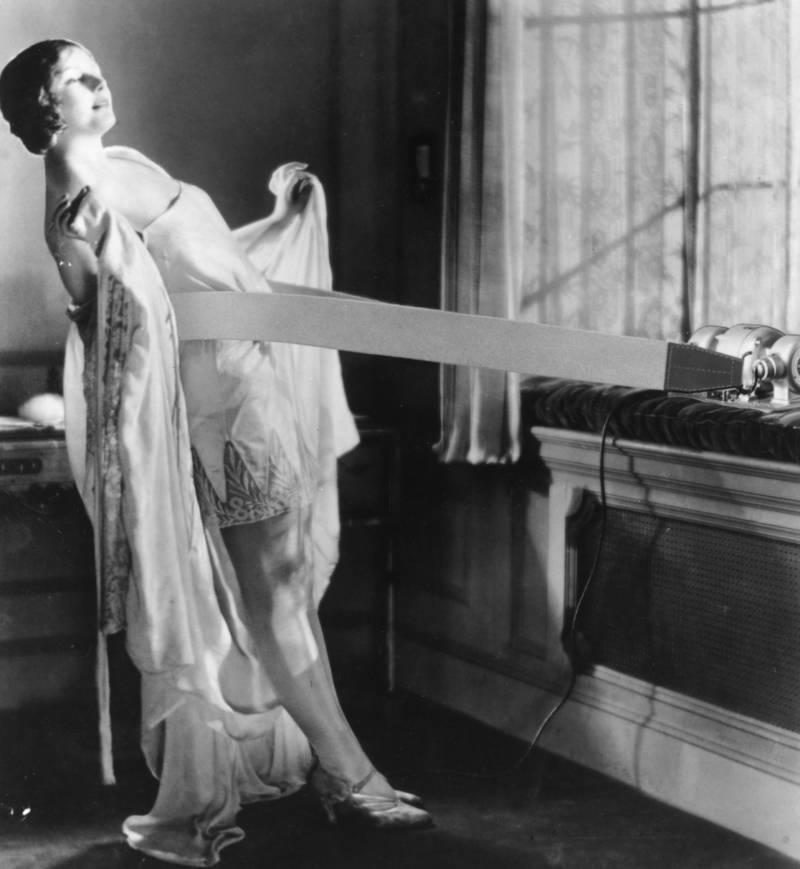
1928 – A woman uses a vibrating weight loss tool. Credit: Getty Images
1940s: Slenderising salons devised all sorts of weight-loss treatments; this chair massaged clients’ legs with metal rollers. Credit: Getty Images
1958 – Invented by a South African doctor, this machine was supposed to massage away any unwanted bits using electric currents. Credit: Getty Images
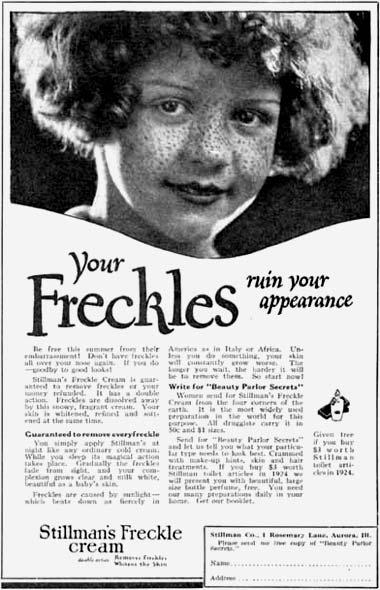
Stillman’s Freckle Cream, originally from Illinois, has been sold for over 120 years, and is still touted in cultures desiring paler skin, such as in Asian countries.
1960s – ice masks were used by Hollywood actresses to freshen their faces between takes without spoiling their makeup. Credit: Getty Images
1875 – A flexible mask intended to bleach the skin, removing blemishes.

11 Comments

Filed under Articles, Etymology, History, History Undusted, Images, Links to External Articles, Obscurities, Science & Technology, Snapshots in History

Wordless: 2020 Math

6 Comments

September 2, 2020 · 11:02 AM

Wordless: Thunder

2 Comments

August 12, 2020 · 5:32 PM

Wordless: Simple Errand

2 Comments

July 15, 2020 · 11:38 PM

Design Undusted: Norman Doors

You have all come in contact with a Norman Door, even if you might not have known that’s what it was called. Remember the last time you tried to go through a push door by pulling on it? That’s a Norman Door. The name comes from Donald Norman who, after spending time in the UK, wrote a book called, “The Psychology of Everyday Things“, later changed to, “The Design of Everyday Things“. Doors are a prevalent example: Every building has them, but they are not necessarily put through any stringent tests of user-friendliness; if the hinges are hung straight, and the door swings one way or the other, that’s usually enough to pass. Donald Norman’s point is that if people are using a product the wrong way, it’s not their fault – it’s poorly designed. He popularized the term “user-centred design” – designs based on the needs of the users, whoever and however many they might be. Below are a few examples of failed designs – either inconvenient to use or just downright impossible. Next time you come across an object with poor usability, you’ll at least know what to call it.

This slideshow requires JavaScript.

3 Comments

Filed under Articles, History Undusted, Images, Science & Technology, Videos

So Many Projects, So Little Time…

I feel like I’ve been gone for ages – and I guess I have! With the world on hold through lockdown, more than just our social calendar seems to have been turned topsy-turvy. I’m sure I’m not alone in that, but it seems like a lot of routines, such as writing weekly blogs, went on hold as we tried to get our lives back on track through the time of lockdown, of switching to home-office and the changed schedules that brought with it. On one hand, I seemed to have more time on my hands (what with our social agendas being cancelled wholesale), but on the other hand, projects that had been put off wanted tackling. Lockdown is the perfect time to do things like clean out the cellar or deal with household repairs.

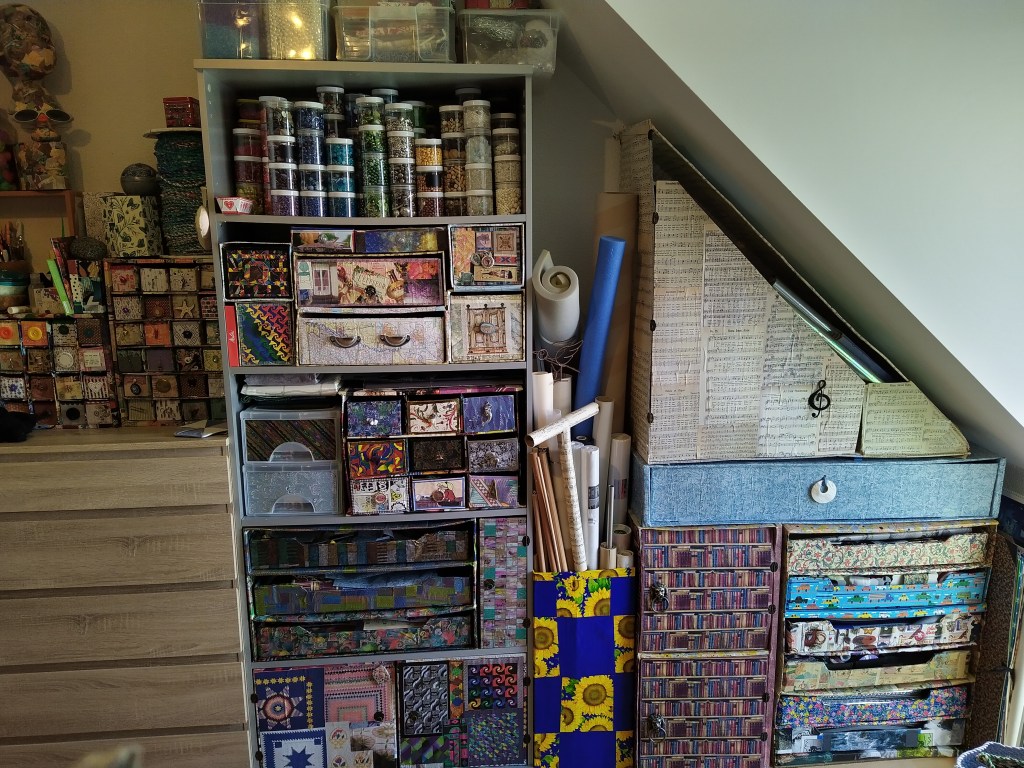
One thing I tackled was my craft room: I do a lot of crafts, and I also help people do crafts for projects – whether it’s a personal gift they want to make but don’t know how, or stage props, or repairs to jewellery or baby albums, or making the table settings for celebration dinner parties or anything in between. Because of that, I have a good supply of most supplies I might need. I also do a lot of upcycling crafts – aka tons of plastics, metals, etc. All of that requires space. It went from this…

…to this:

Everything in the cupboard and to the right of it was made in the past 3 weeks. The employees at our local grocery store got used to me raiding their cardboard stacks on my weekly shopping trips! All of the material used was free; to decorate, I used old wrapping papers, magazine pages, old craft book pages, outdated maps, brochures and old music sheets. Handles were made out of everything from old jewellery to cardboard to bottle caps. The boxes atop the dresser (below) were made previously, using beer advent calendar boxes (my husband got the beer, I got the boxes – win-win!).

Now that that sizeable project is done, I’m looking forward to getting back into a full writing rhythm, including blogs! I apologize for my long silence, but as you can see, it wasn’t idle time. While working on paper maché, I was percolating ideas for both my novel and for interesting topics to investigate for this blog – so keep your eyes on this space – there will be more to come soon! 😉

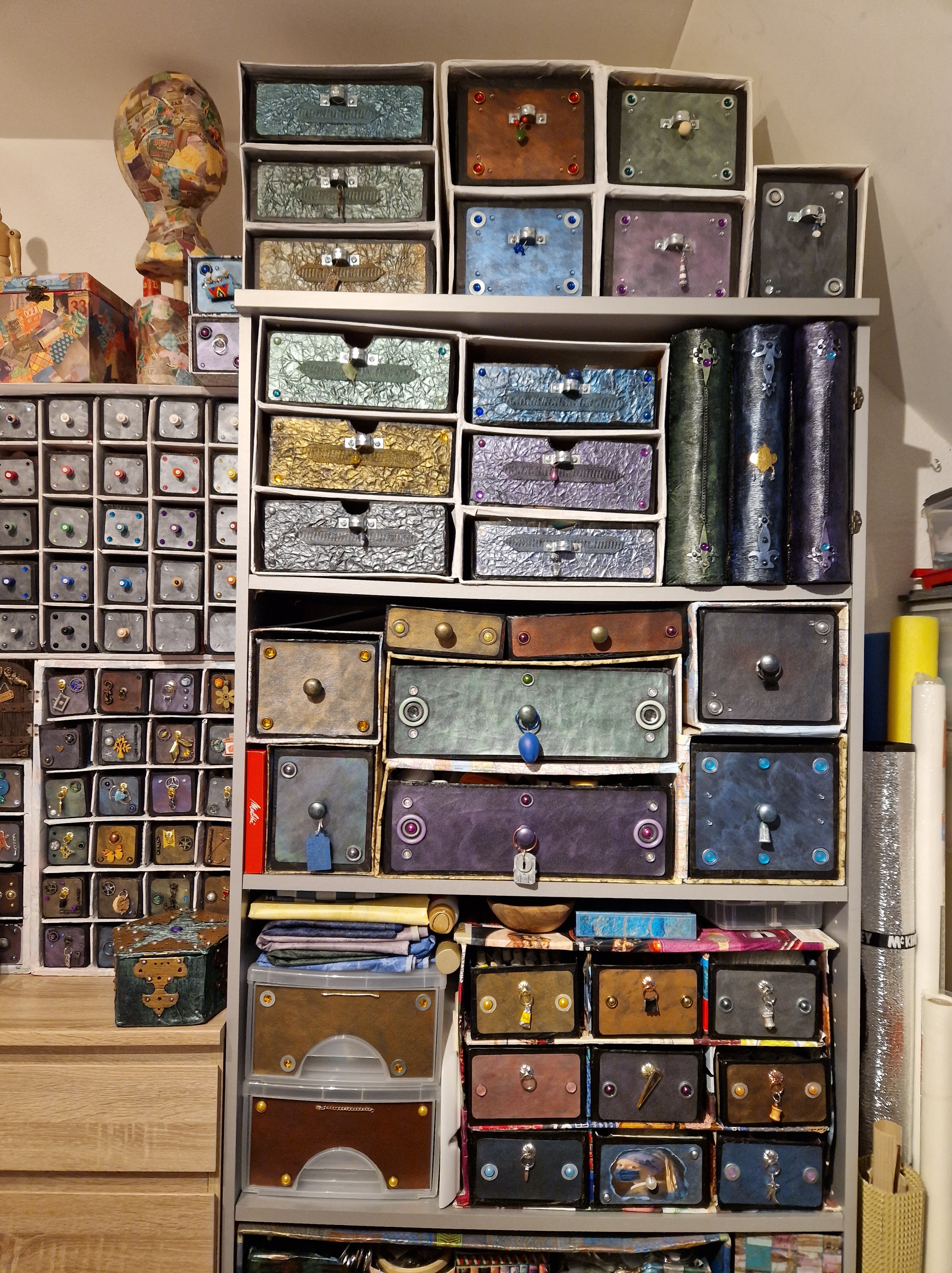
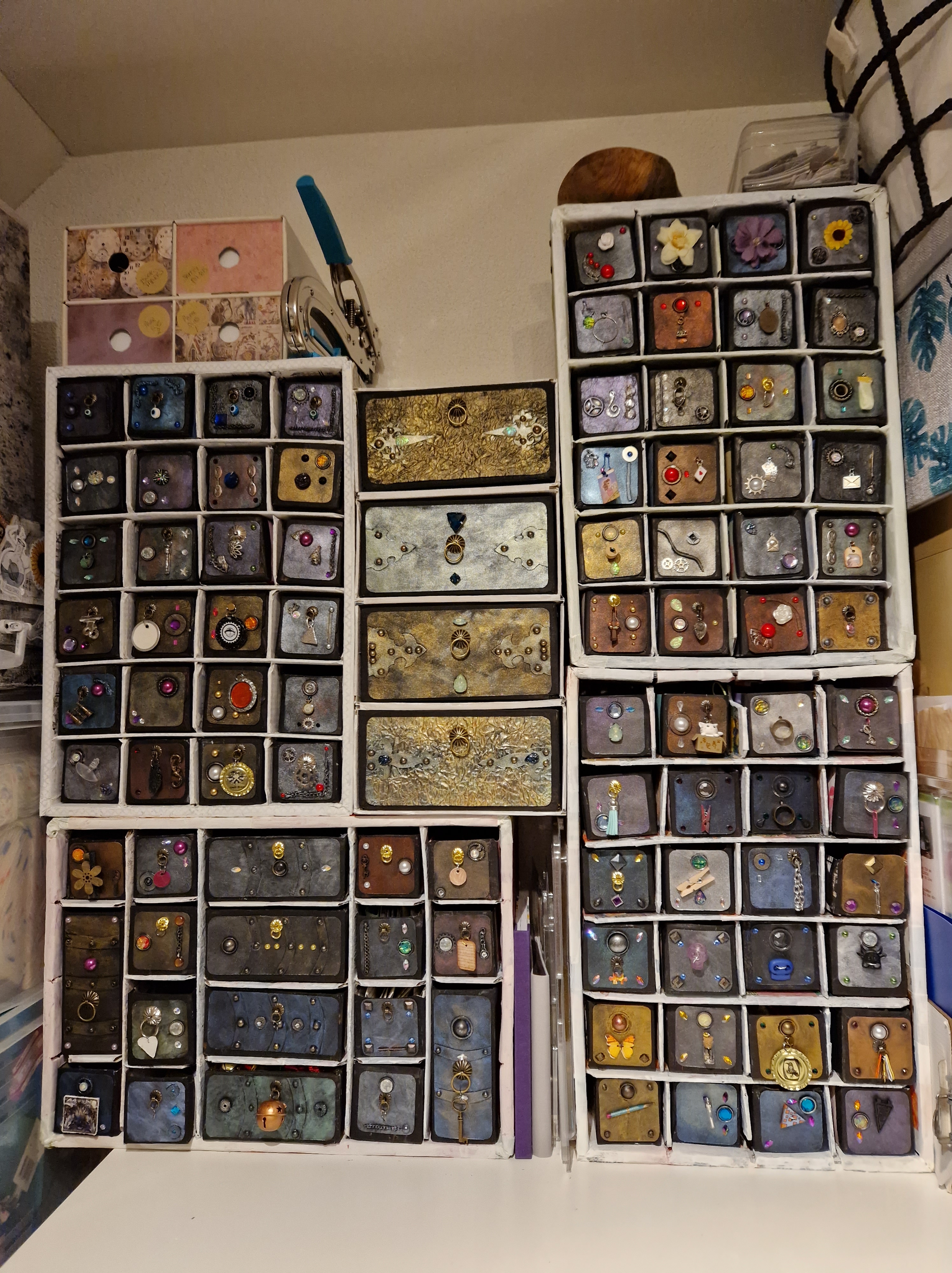
Update: Here are a few updated images of my craft room, which had a facelift in Autumn 2023:

4 Comments

Filed under Articles, Images

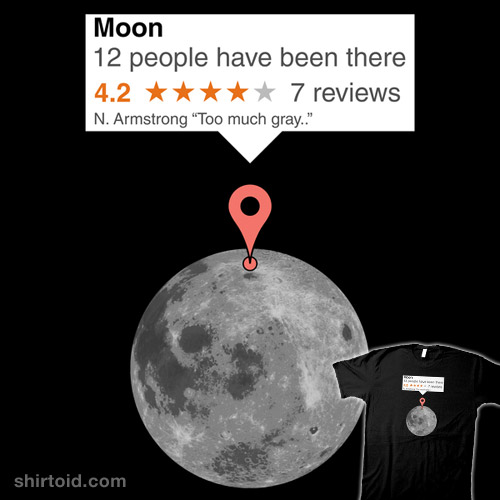
Wordless: Travel Advisor: Moon

If-the-moon-was-just-any-place

2 Comments

May 28, 2020 · 3:25 AM

Wordless Wednesday: Mascot, 2020

Racoon

10 Comments

May 20, 2020 · 11:48 AM

Food History Undusted: Mac & Cheese

As I recently mentioned, we had problems with kitchen moths; the source has been found (dates) – the jar which contained them also isolated them; I played the jar like a maraca and sang “La Cucaracha” as we put them in the compost. We are now moth-free! Woo-hoo!

We really appreciate the advantages of storing everything in glass jars: It looks pretty, we can see exactly how much we have, what we have, and it’s inviting to be creative in meal planning. One of the pasta jars we have contains mini “Hörnli / Hoernli” – the Swiss word for “little horns” and what the rest of the world probably refers to as macaroni. The topic came up as a meal idea, and of course, being us, we got into the historical aspect. Where did it originally come from? Did it arrive in America with Italian immigrants or is it a hybrid dish?

Mac & Cheese History

This image above is nearly sacrilege for many people, myself included – I cannot imagine eating pasta from a can! But just after World War 2, manufacturing of canned goods, frozen meals and the like were coming into their stride as families pieced their lives back together and got on with the business of rebuilding the country and economy; televisions entered the home mainstream in the early 1950s (think black and white, rabbit ear antennas, no remote and 2 channels) – but that’s another topic. Product placement during television programmes and news was a major factor in influencing the purchasing power of the average consumer (product placement may have begun as early as 1873, when Jules Verne’s fame led shipping companies to lobby being mentioned by name in his upcoming novel,  “Around the World in 80 Days”).*

The oldest known reference to a dish that may be recognizable as the ancestor to the modern concoction is from the 13th century, from someone in the court of Charles II of Anjou who was familiar with the Neapolitan court; the dish was basically prepared with sheets of lasagne sliced into small squares, cooked in water and tossed with Parmesan cheese. The American version some might be more familiar with has two claims to ancestry: Either it began as a Connecticut church supper dish known as Macaroni Pudding, or it was brought over from Italy in the form of a recipe by Thomas Jefferson, who also brought back a pasta machine.

So, where was the noodle dish invented that we know today as “Macaroni and Cheese”? Switzerland, of course!

The dish, known as “Älplermagronen” (=”Alpine herders’ macaroni“) in the German-speaking areas and “Macaroni du Chalet” in the French-speaking areas, is made with those Hörnli, also known as “Magronen”, which were dubbed for the horns of the cattle, sheep and goats which the herders tend. The cheese was often a local product from the milk of those very animals, and the dry pasta was easy to hike up to their summer chalets where they slept on the Alps during the summer grazing seasons.

For a good, long read about the history of the pasta, click here for a “BBC Travel” article on the topic – and get a good taste of the Swiss Alps in the meal! And be honest – how many of you have a hankering for Mac & cheese after reading this? Click on the image below for an authentic recipe.

Alplermagronen - Betty Bossi

Image credit: Betty Bossi (the Swiss version of Betty Crocker)


*Information source: Wikipedia, William Butcher (translation and introduction). Around the World in Eighty Days, Oxford Worlds Classics, 1995, Introduction.

4 Comments

Filed under Articles, Etymology, History, History Undusted, Images, Links to External Articles, Military History, Research, Science & Technology, Snapshots in History

Wordless Wednesday: Societal Devolution

Corona Jokes 18

3 Comments

May 12, 2020 · 2:29 PM