
Happy New Year, everyone!
With everything that hit the fan last year worldwide, I know that many of us have been missing the opportunities to go out and get some stimulation: Restaurants in many places are closed or reduced to take-away; concerts and theatre productions are cancelled until further notice; museums are closed; if shops are open, they may be closing earlier. For many of us, our “third place” has had to close its doors to us.
So I thought I’d take you along on virtual tours: Tours of factories to see how things are made, of museums, of beautiful places around the globe, of interesting architecture, of historical moments, or of quirky bits and bobs that make this world a colourful and interesting place.
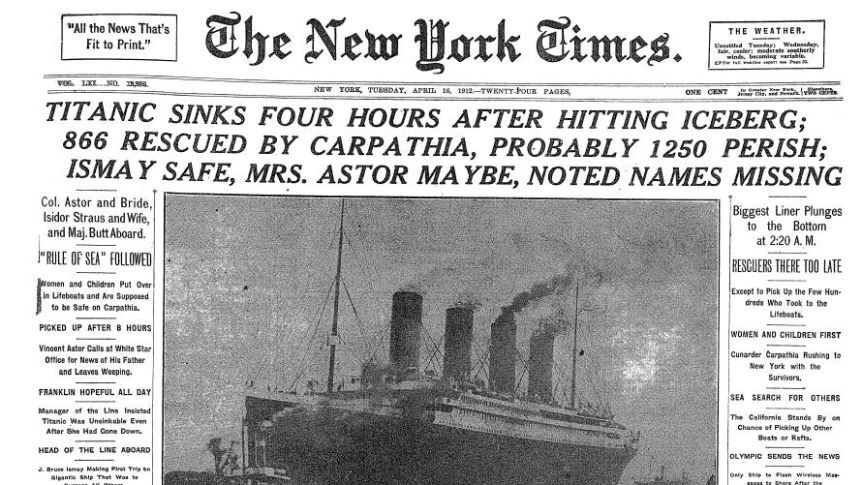
To start off our tours, let’s take a walk-through on the Titanic, as it was before it let in the passengers for its maiden voyage. It embarked on that voyage on 10 April 1912, hit an iceberg on 14 April at 23:40, and 2 hours and 40 minutes later, on 15 April, finally sank forever. The final survivor of the sinking, Millvina Dean, aged two months at the time, died in 2009 at the age of 97. What I find interesting about her story is that her parents, from Branscombe, England, were planning to settle in Wichita, Kansas – where I was born and raised. Her father had relatives there, whom they were planning to join. They weren’t supposed to be aboard the Titanic, but due to a coal strike, they were transferred to the ill-fated ship. To read more of her story, please follow her link.
If Covid’s limitations were lifted right now, and if you had a spare £86,000 ($ 105, 030) burning a hole in your pocket, you could take a real tour of the Titanic and take part in diving expeditions. But barring those two factors, I’ve found a few simpler (and FREE!) alternatives (Just click on the images below each description):
This first link is a 22-minute tour; if you are easily seasick, I’d recommend pausing it occasionally.
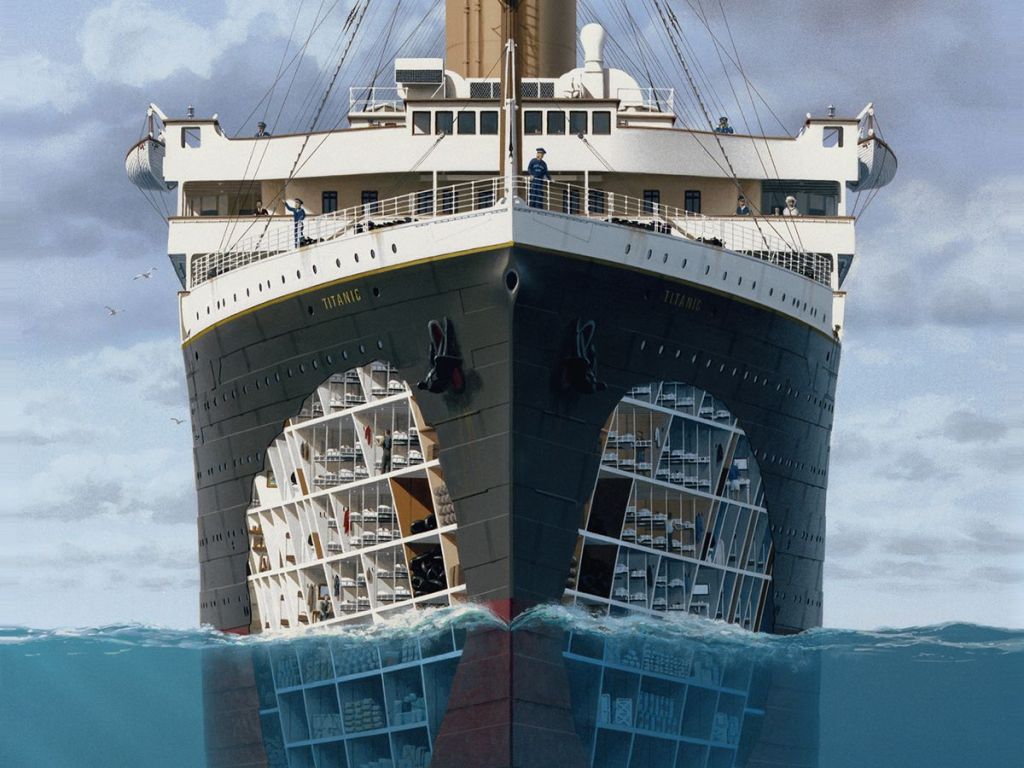
This second link is for a slower and smoother version, at 116 minutes (1:56).

This third link is a fascinating documentary following the lives of some of the passengers aboard the Titanic, focusing on 14 from the same Irish village. Three survived to tell the tale.
I hope you enjoyed it as much as I did; I don’t know if “enjoy” is the right word in such a situation, but I hope it was at least a satisfying, intriguing glimpse into history. I’ve got slews more tours on the agenda, so buckle up!


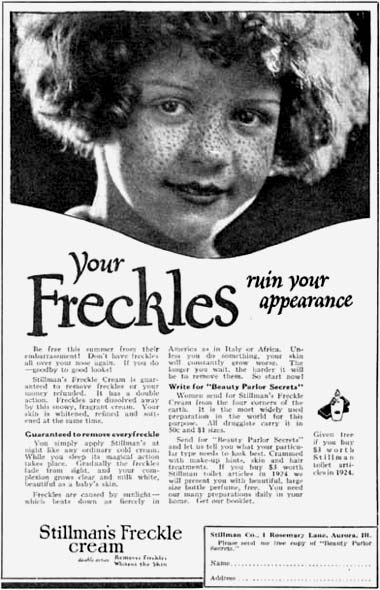



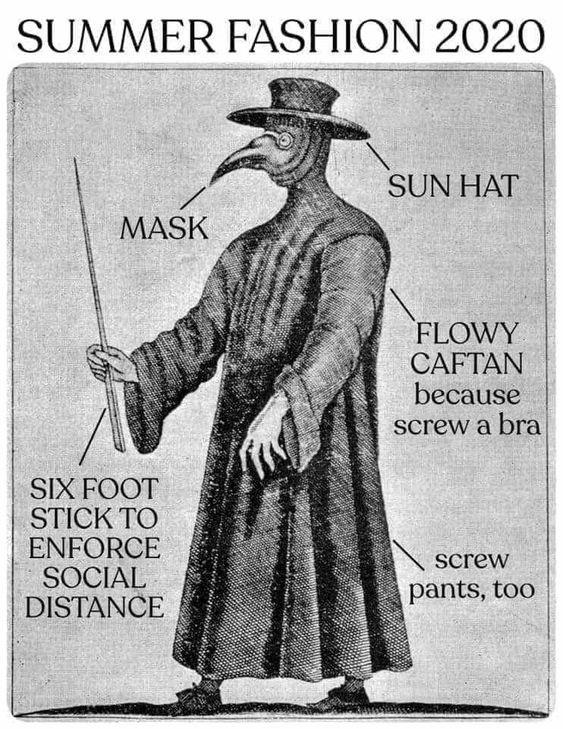
 Every generation creates new ones, because a parent’s euphemism becomes the general term which is then too close to the original meaning, and so the children get creative with words, and so on. There are a few euphemisms that have remained unchanged over centuries, such as passed away, which came into English from the French “passer” (to pass) in the 10th century; others shift gradually, such as the word “nice”: When it first entered English from the French in the 13th century, it meant foolish, ignorant, frivolous or senseless. It graduated to mean precise or careful [in Jane Austen’s “Persuasion”, Anne Elliot is speaking with her cousin about good society; Mr Elliot reponds, “Good company requires only birth, education, and manners, and with regard to education is not very nice.” Austen also reflects the next semantic change in meaning (which began to develop in the late 1760s): Within “Persuasion”, there are several instances of “nice” also meaning agreeable or delightful (as in the nice pavement of Bath).]. As with nice, the side-stepping manoeuvres of polite society’s language shift over time, giving us a wide variety of colourful options to choose from.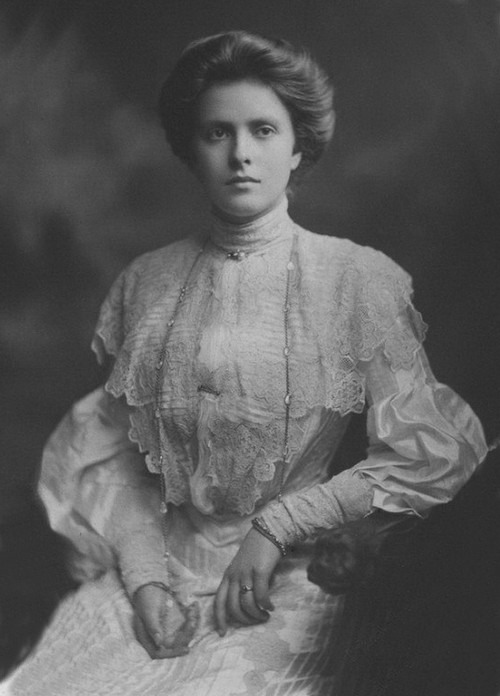





 Stephanie Huesler