This week’s topic arose from a conversation with my husband; we were discussing a temporary fix we had made at his mother’s home to make something usable until we could find a permanent solution. I said that we had “MacGyvered” it, and he had never heard the word before. That led me down a rabbit hole to naval flags, a card game, and British tele.
First, MacGyver: Though I knew the term, I had no idea what its origin was. The name comes from the eponymous character in a US television series that ran from 1985 to 1992; Angus MacGyver was a non-violent, resourceful genius, and his favourite tool was, of course, a Swiss Army knife. Though I was living in the States at that time, its running years explain why I didn’t know of the origin: In 1985, I was in college, having finished high school a year early (I took my final two years in one); I was too busy to watch television. In 1986, I moved to Hawaii to do a Discipleship Training School (DTS) with Youth With A Mission (YWAM), and went from there to the Philippines, where we worked in the red-light district of Olongapo. 1987 was a year of multiple jobs, earning money and hanging out with college friends – again, TV was not a priority. In 1988, I emigrated to Scotland.
The traits mentioned above made MacGyver a verb; when something is “MacGyvered“, a simple yet elegant solution to a problem is employed by using existing resources. At my mother-in-law’s home, we needed to level a new microwave that was sitting tilted atop the welded inserts that fit the original one. Our solution was to use an actual leveller, removing the end caps to make it fit inside the metal frame.
Now, down the rabbit hole: In the time of British ships of sail, when a blue flag with a white square or rectangle in the centre flew alone, it served as the sign for imminent departure (signifying P, leaving port); any passengers and crew in port would then return to the ship. The flag came into use in 1777, and by the turn of the century had become known as the blue peter. I have my suspicions that the term may have come from the card game of whist, in which a strategic manoeuvre known as the “blue peter” calls for trumps by throwing away a higher card of a suit while holding a lower one. No one can say for sure which came first, the ship or the card, so to speak, but the connection is likely.
The British children’s television programme, Blue Peter, first aired on 16 October 1958; the name was inspired when Owen Reed, the producer, was inspired by a radio programme for children (produced by Trevor Hill) that began airing on television once a month; it was launched aboard the MV Royal Iris ferry on the River Mersey, Liverpool, with presenter Judith Chalmers standing at the bottom of the gangplank to welcome everyone aboard. Reed was so captivated by the idea, and with the blue peter flag, that he asked to rename the programme (then called the Children’s Television Club) and take it to London.
Blue Peter, catering to younger children, is the longest-running children’s TV programme in the world; over the years it has changed with the times, and its content is wide-ranging, but they still give a nod and a wink to that original blue peter flag by giving out badges in the shape of a shield with a blue ship of sail on a wave. It is awarded to viewers for achievements, efforts, or creative work. There are different levels of badges, with the gold badge being the most prestigious; this is usually given to presenters upon their retirement or to people who have accomplished something extraordinary.
Among other things, the show is famous for its segments of “makes” – demonstrations of how to make useful objects, or how to make something to eat. This is the element that linked the term Blue Peter to MacGyver in my mind, so now ya know!
What is something that you have MacGyvered? And do any of my British followers know if “Blue Peter” is used as a verb in a similar fashion? Please comment below!
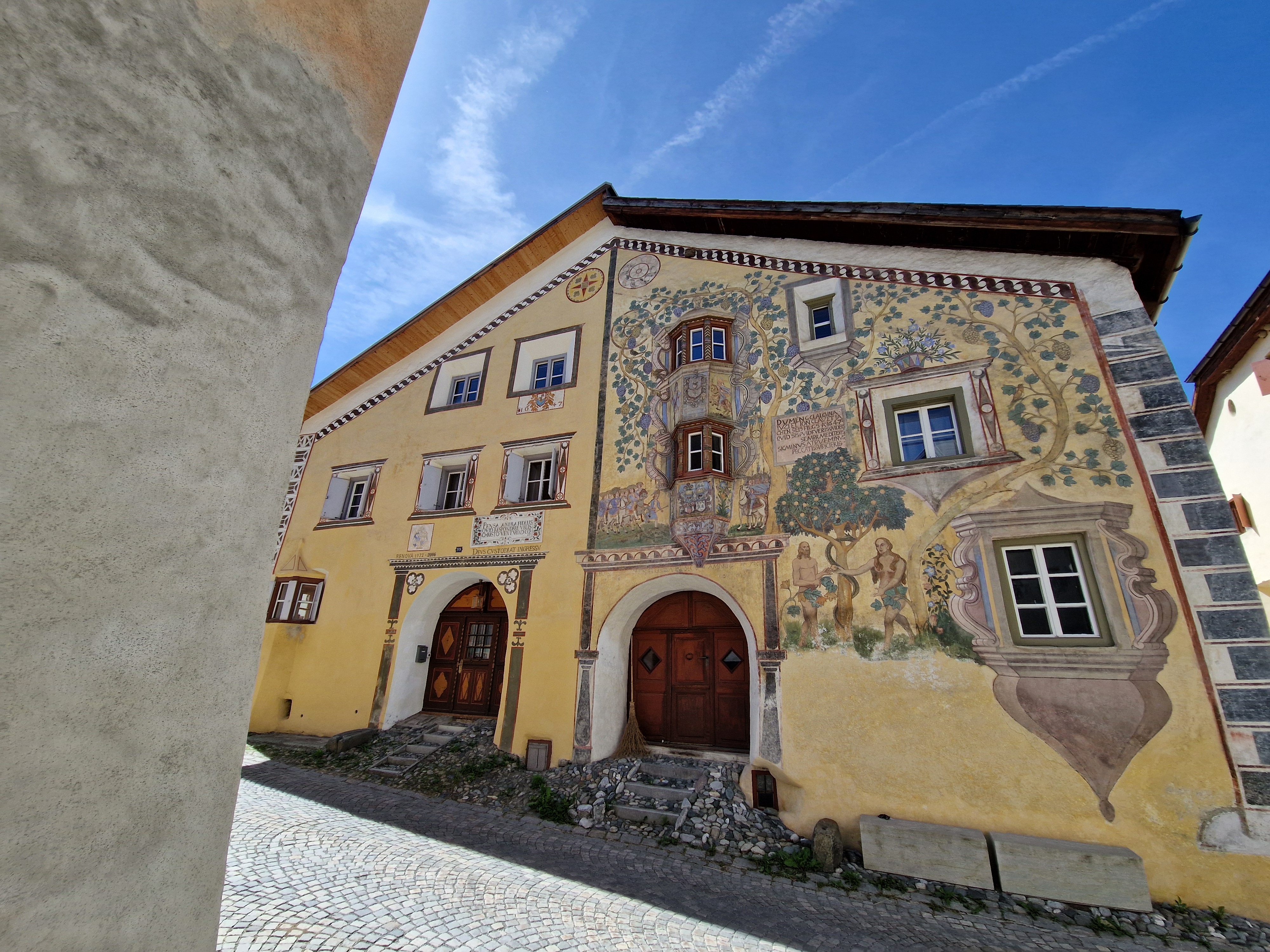
I know that, for most of you, neither Engadin nor Sgraffito have made you any wiser as to what this blog is about, so first, I’ll start off by explaining where and what they are, respectively.
Engadin (pronounced En-Ga-Deen) is a long, towering Alpine valley in the Romansh-speaking canton of Graubünden in southeast Switzerland. The first mention of this valley was in Latin as vallis Eniatina in AD 930; in the Romansh language (one of the four national languages of Switzerland), it is Engiadina. The river running through the valley is called the En or Inn, and it is the only river in Switzerland that runs (via Austria) into the Black Sea. The region is usually divided into lower and upper Engadin, and it is connected to the surrounding regions by several mountain passes.
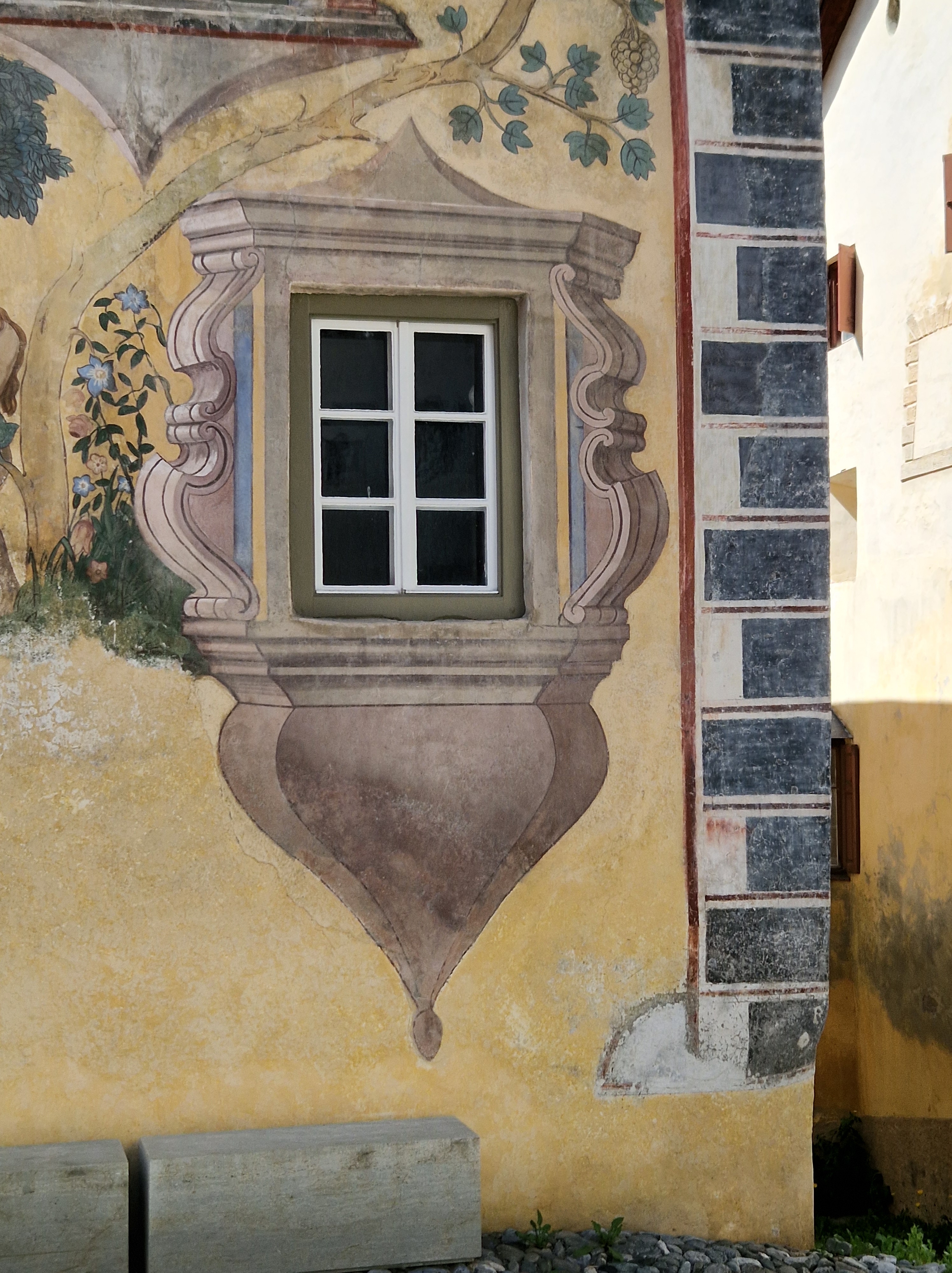
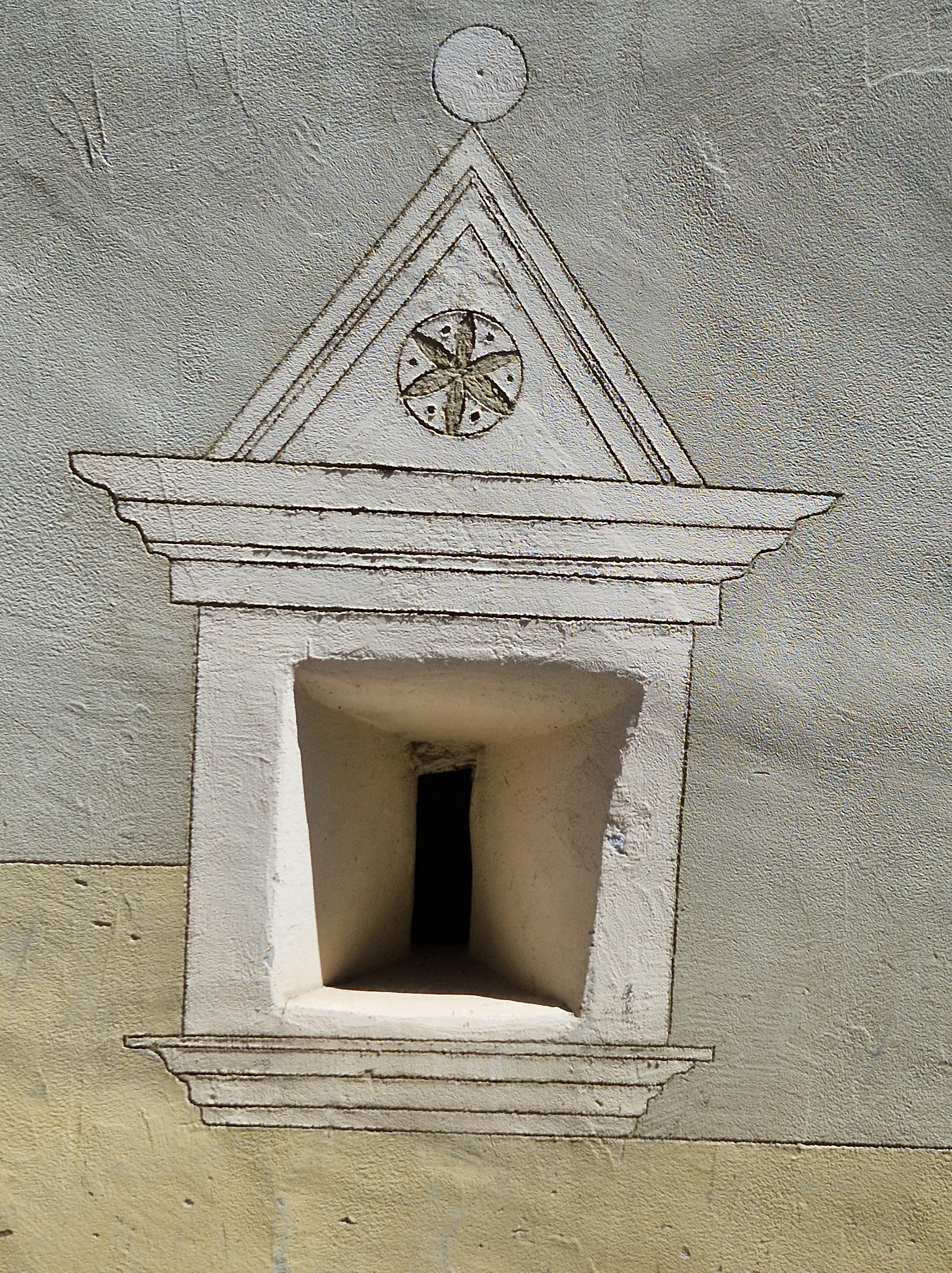
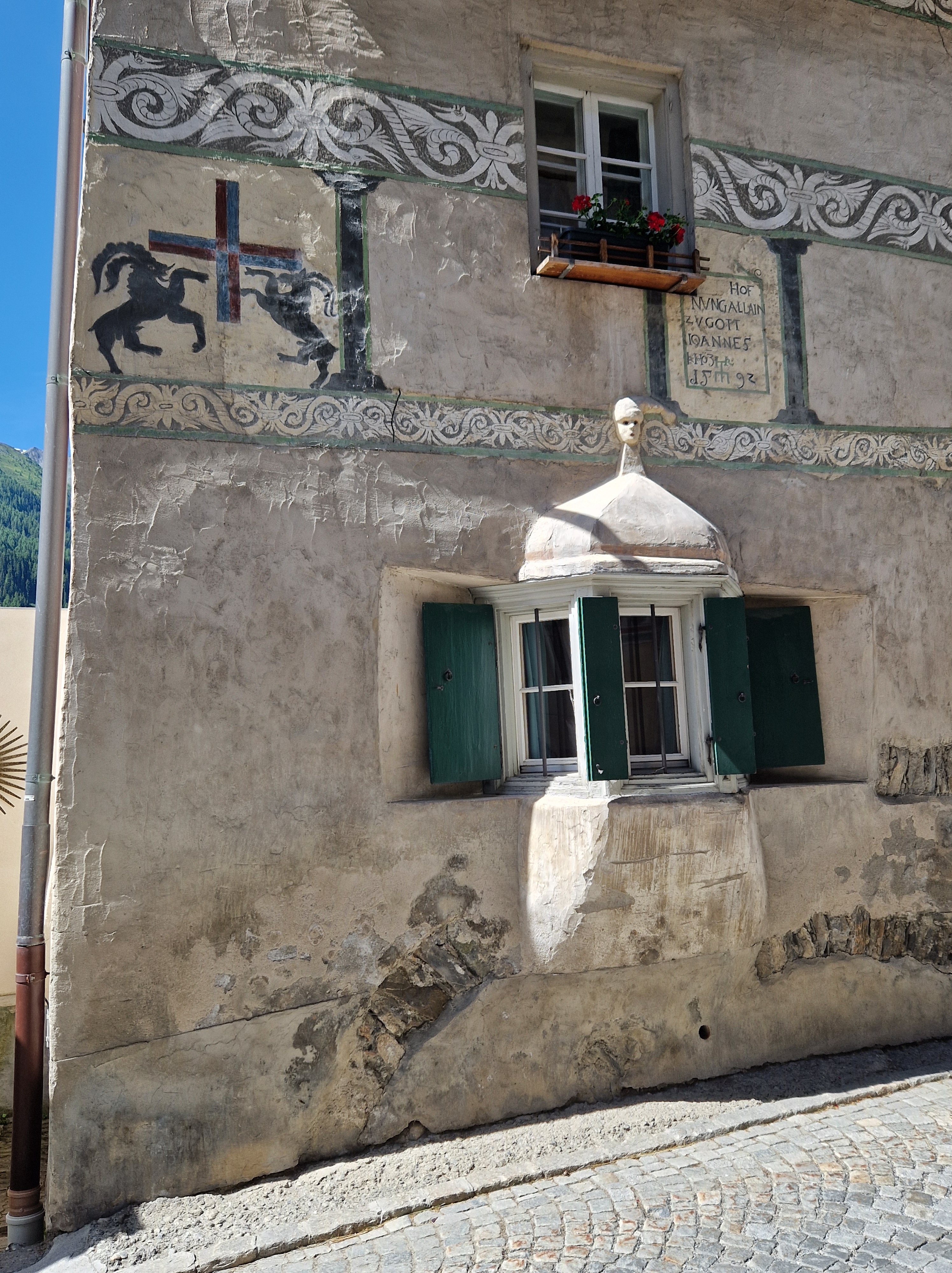
The second word, Sgraffito, describes a plaster technique that is traditional throughout Engadin: Layers of plaster of contrasting colours are scratched through, creating intricate designs on the facades of buildings (many of the buildings in Engadin towns were built (or rebuilt) in the late 1500s to early 1600s). The word comes from the Italian graffiare, which means to scratch; it can be traced back to the Greek word graphein, meaning to write (from which we also get any words containing the prefix, suffix, or derivative of graph (graphite, typography, graptolite, parallelogram, holograph, etc.). Sgraffito is not only used on buildings to make them look decorative, but it also serves the purpose of making a small feature look larger; on one building, the same floor had different-sized windows, likely installed over generations; the sgraffito was used to give a more uniform look to the façade. The decorations also make a plain building look grander, giving a more opulent impression. One building, pictured below, obviously had two occupants with very different characters back when they were originally decorated…
The basic technique for architectural features is to plaster the façade with the base colour; once that has set, it is then plastered with a contrasting colour; once that has set just enough, the scratching, or carving, begins. This is also a technique used in pottery and in creating stained glass effects (just click on the links if you’d like to see how these crafts are made).
One thing to note is that many old buildings here in Switzerland have dates listed on them: Of when they were originally built, and when they’ve been renovated. Part of the history of such renovations may include fires that swept through villages, or avalanches that buried a layer, or wars, such as the Swabian War and war against the Habsburgs, and the subsequent renovation or rebuilding of the towns or individual homes. Sometimes, along with the dates, a list of past and present occupants will also be displayed, preserving their names and memories within the history and changes of the building itself.
Below are a few pictures taken in Engadin during our recent summer holidays. Enjoy! Feel free to zoom in on the pictures to see the details.
This week’s adventurous tale is a proverbial rabbit hole; diving into it takes us past the problem of Paris’ 18th century dilemma of dealing with the “explosive” issue of overfilled cemeteries, which forced King Louis XVI to take action: Bury them deeper. Following this problem and its solution into the ground, so to speak, leads us into the massive (1.5 km long) ossuary (bone depository) of Paris. Once you reach the ossuary, which contains the artfully arranged skulls and bones of some six million residents (around three times more than the actual population of central Paris, which as of 2023 was 2.1 million…), you aren’t officially allowed to go any further – because above your head is the bustling city of street cafés, boutiques, and historical buildings. And when someone buys a house up there, they are actually also buying the land on which it stands – which includes their section of the underground maze of mining tunnels and caverns; venturing beyond the official section makes you an intruder on private property or breaking and entering an actual shop – but more on that in a moment. The message above the entrance to the ossuary reads, Arrête! C’est ici l’empire de la Mort. (“Halt! This is the Empire of Death.”). That warning doesn’t stop it from being one of Paris’ most popular tourist attractions.
The tunnels, now known as The Catacombs, were originally dug far outside of the small 13th-century city when Lutetian limestone was mined as a local building material (any town or city with a distinctive architecture owes its appearance to whatever was available locally when it was founded – whether wood, stone, thatch or brick). Though no one knows with certainty, as the mining resources were eventually exhausted and the mines abandoned, an estimated 350 kilometres of tunnels undermined the city, which covers some 32 square kilometres beneath Paris… a city beneath a city, as it were.
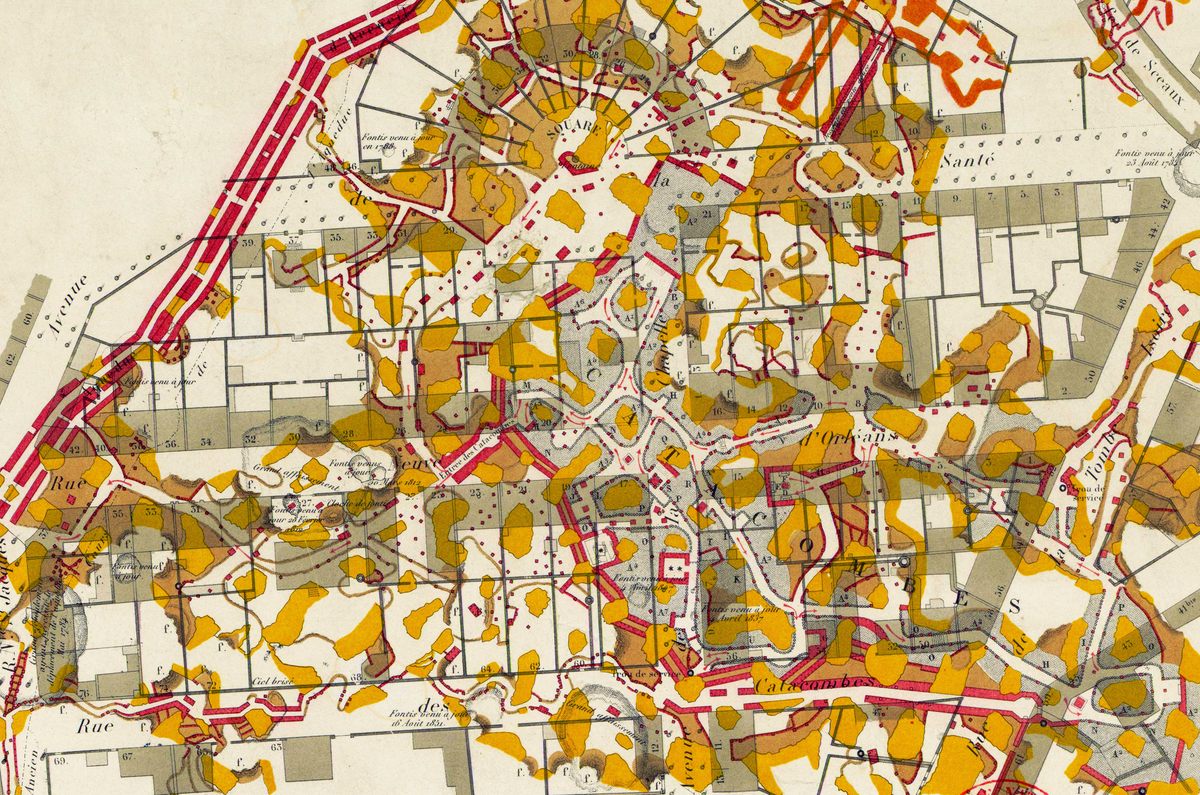
And yes, buildings have occasionally been swallowed; in 1774, about 30 metres of a street disappeared into a cavern below. This led to the formation of the Générale des Carrières (IGC), an office created in 1777 by King Louis XVI to oversee the mapping and maintenance of the catacombs. During the French Revolution, many things got lost and fell out of collective memory, including the underground map.
Paris Catacombs Map – Inspection Générale des Carrières, 1857, Pulbic Domain
Throughout the years, the tunnels have been put to various purposes, aside from the macabre: Mushrooms were cultivated there; beer was brewed, wine aged, and Chartreuse liquors were distilled down there by monks in the 17th century. The city beneath the city had no prime real estate overhead for businesses, and many took advantage of the free space, making access for their customers through the various access points throughout Paris. It also served the French Resistance during world war 2, even though the Nazis also used a section of the tunnels. Now, let’s go back up out of the rabbit hole for a brief moment.
Remember that I wrote officially allowed? Well, a secret maze of tunnels is too much to resist for the adventurous, called cataphiles. But there is a secret society at large down there, too.
When you think of a secret society, you might think of the Luminati or something else sinister; but the Les Ux would be more akin to Robin Hood. The story goes that in 1981, a group of kids were talking after school, and one of them mentioned that he could break into any building in Paris; in fact, his next target was the Pantheon. They didn’t believe him, and so they all went down together – and found out just how easy it was to go wherever they wanted. The Pantheon, which was the tallest structure in Paris until the Eifel Tower was constructed, vacillated between being a church and a secular building several times over its history, depending on the political regime, and it finally became a secular structure in 1885 under the Third Republic. It now is a mausoleum, with famous residents like Marie Curie, Victor Hugo, Alexandre Dumas and Voltaire; but it is also a museum, an art exhibition hall, hosts school events and lectures, and is linked to a section of the catacombs – which is where the group of school friends began their adventures.
During one of their nocturnal outings, the group stumbled upon a narrow passage full of electrical cables; following those, they found themselves in the basement of the Ministry of Communications. No security stopped them and they were able to explore at their leisure. In a drawer, they found the motherlode: A map of the entire catacomb structure. That changed the course of their lives, and they eventually became known as the Les Ux, short for “urban experiment”. These individuals, unknown to anyone but themselves, specialize in safeguarding Paris cultural goods – stepping in when the government can either not afford to or doesn’t care enough to preserve something of cultural or historical value. They seem to think that, unless it’s a big-ticket attraction like the Mona Lisa, things get neglected. For instance, the mission statement of one branch of Les Ux is to reclaim and transform disused city spaces for the creation of zones of expression for free and independent art.
The group, now a full-fledged underground movement, is divided up into teams with seemingly nonsensical names: The Mouse House (an all-female team of infiltrators), La Mexicaine De Perforation (in charge of clandestine artistic events and underground shows), and the Untergunther (specializing in restorations); they also have teams that specialize in things like running internal messaging systems and coded radio networks, a database team, and a team of photographers.
Some of their exploits include restoring a forgotten metro station, a 12th-century crypt, an old French bunker, and a World War 2 air raid shelter. One member, likely from the Mouse House, wrote a detailed report about a particular museum’s security, telling them how many ways she could have broken in and stolen had she been so inclined. She then infiltrated the museum and left the report on the desk of the museum’s head of security. He went straight to the police to press charges. They refused to pursue the matter.
They built an entire cinema complex in the catacombs, complete with a bar and restaurant, where they are thought to have held film festivals for several months or even years before being discovered by the police in a random training exercise. When the police returned to remove the cinema, everything was gone except a note which read, “Don’t try to find us.”
Les Ux has held many events within the Pantheon over the years, including parties and art exhibitions – all vanishing, and leaving the place cleaner when they left, before the museum opened the next day. One night, a team member (from Untergunther) decided to take a closer look at the broken Wagner clock, which hangs over a prominent entrance within the building. Their most public restoration (that we know of so far) was, of course, an embarrassment to the management of the Pantheon: One of the members, Jean-Baptiste Viot, was a professional clockmaker; the team snuck in for nearly a year to restore the clock. They built a secret workshop (complete with armchairs, bookcase, and bar, which they nicknamed the Unter and Gunther Winter Kneipe – German for winter boozer!) high up in the dome of the pantheon, and carried out the clock work by night. Once it was done, they knew that the clock would need to be wound regularly to continue working – so they broke protocol and met with the museum director to tell him the good news. He promptly pressed charges… but there are no laws in France about repairing an expensive clock at their own expense, and the case was dismissed with the comment, “This was stupid!” The museum director hired someone to break the clock, presumably to avoid the hassle of winding it up regularly, and also out of spite for losing his case and his face; the person refused to damage the clock, simply deactivating the mechanism. Les Ux snuck back in to let the clock chime over the days around Christmas, then went back in and removed a component to prevent any further damage the next time spite struck. I’ve read that since that time, the clockmaker of Untergunther has actually been hired by the Pantheon to maintain the clocks.
We only know of a fraction of their activities, of course, because they don’t publicise their accomplishments or events. Below are a few links if you’d like to read more on this fascinating topic! I hope you enjoyed this little exploration as much as I did!
Here are a few links to articles, if you’re interested in learning more:
I’ve written before about Donald Norman and his book, “The Design of Everyday Things”; he emphasizes the need for products to have user-centred designs. The term “Norman Door” comes from the typical example he uses about doors – an everyday item that can often lead to confusion for the user simply by putting pull handles on a push door.
I was thinking about it this week, wondering what the opposite term should be, as I was opening a container of whipping cream. The tetra package for whipping cream is a prime example of a poorly designed item for me: It inevitably oozes out while I try to rip it open along the perforated line. If they made the perforation easier to tear or put a scissor symbol making it clear that that would be the preferred method from the outset… but no. Other items that come to mind are the flip-tops of products, such as hand creams or shampoos, that nearly require a knife to open. What happens? You simply stop buying that product, which might be perfectly fine, because of the poorly designed packaging.
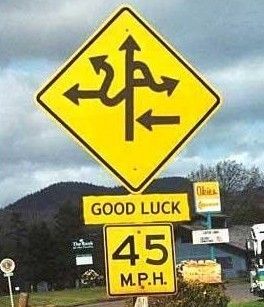
Tell me your ideas for a good term for bad designs – something catchy and catch-all (Norman Doors refers to doors only, but so far it’s worked in a pinch). In the meantime, here are a few examples of non-user-centred designs.
Around the world, fireworks are a traditional part of certain celebrations: Here in Switzerland, the two national nights would be the 1st of August (1291, Independence Day), and New Year’s Eve. In America, the 4th of July is probably the most widespread fireworks night. In Japan, fireworks competitions are enjoyed by spectators during the Sumidagawa Firework Festival, and in India, it’s Diwali, the Festival of Lights. In many countries in South America, Christmas is the big night; in Britain, Guy Fawkes Night is celebrated with both fireworks and bonfires (in Scotland); he was most associated with a failed gunpowder plot intended to blow up parliament and assassinate King James I of Scotland / James IV of England and Ireland.
Most people have, at some time in their lives, seen fireworks go off; but most people have no idea how they produce varying shapes and colours. Derek Muller, aka Youtuber of the Veritasium channel, goes into the details of what makes fireworks take shape, have varying colours and enable them to have precision timing in displays. To watch the video, called “The Hidden Science of Fireworks”, which includes footage of a drone’s perspective amid a fireworks display, just click on the image below! Enjoy!
Some people collect things like stamps, postcards, or coins. I’m drawn to unique doors, locks, and keys.
Keys are something everyone has; whether it’s a house key, a car key, or an inner door key. Modern keys come in several forms: Lever (usually used in padlocks or furniture), pin tumbler, dimple, computerized laser (often used in cars), Nutech, cross, skeleton, barrel, transponder, cards, Abloy, and many more.
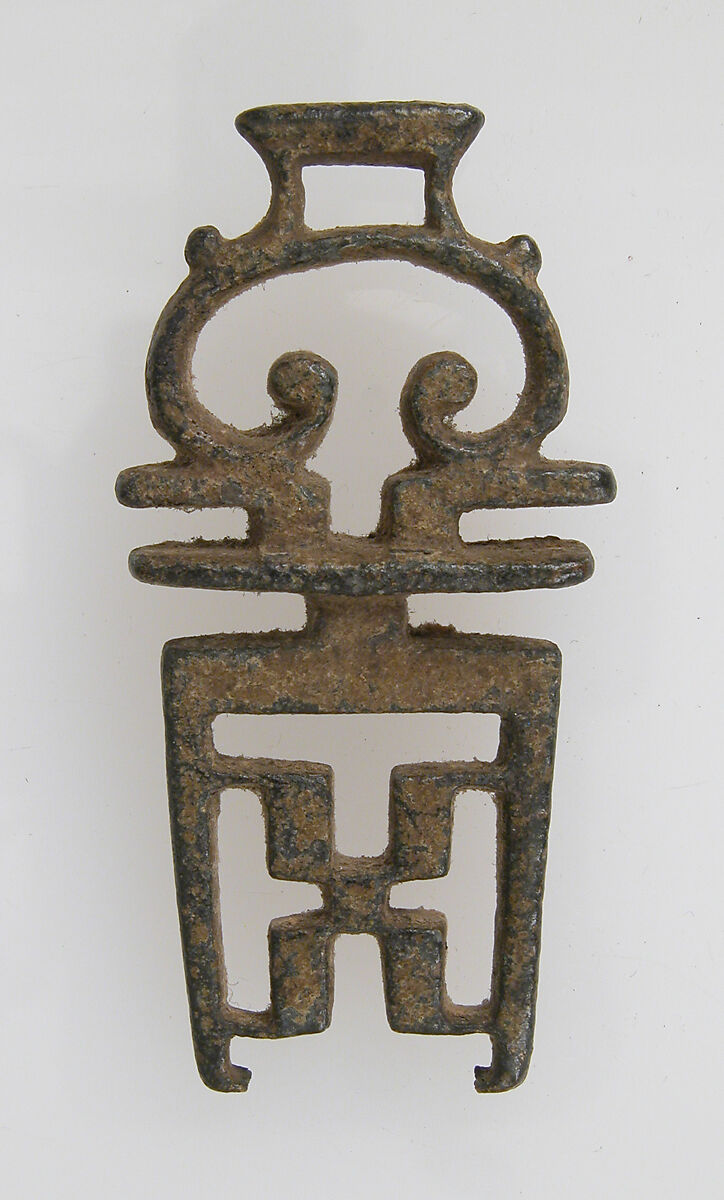
We tend to think of skeleton keys as antiquated, but here in Switzerland, even modern room doors within a home have skeleton keys for their locks (though we use dimple keys on main doors). Even though they’re still used, skeleton keys are one of the oldest forms of keys in history. The Romans had elaborate keys that were nearly as wide as they were long, but they already had the typical ringed head we think of when we think of a skeleton key; it made it easy to slip in a finger and pull the key out of the lock.
Roman Key Latch as old as 1st Century AD – Metmuseum
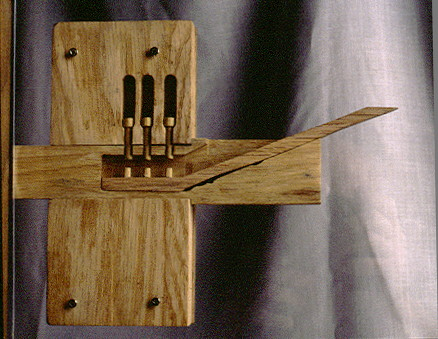
The oldest key found was in the ruins of Ninevah (the capital of ancient Assyria), going back to around 4,000 BC. It was a simple wooden prodder inserted into a hole in a door to lift pegs within a wooden bar used to hold the door securely from the inside; it could only be secured from the inside and was easy to open with any pegged stick. This type of wooden pin lock was common in ancient Egypt, but they’ve also been found in places like Japan and Scandinavia. It is alluded to in the Bible in such passages as Nehemiah 3:3,6,13-15 or Isaiah 22:22-23.
Ancient wooden peg key lock
The Romans improved on the idea and began making brass and iron keys with the ground-breaking technology of projections (wards) inside the lock that required a specific combination to be opened, thus requiring a specific key. The warded key outlasted the Roman Empire itself by more than a thousand years. Though these locks were easy to pick, no major advancements were made in the design until the late 18th century, when Robert Barron invented a new locking mechanism that we essentially recognize as the tumbler lock. Joseph Bramah improved further on the design a few years later, using a cylindrical key with patterned notches that aligned with the metal slides within the lock. The Bramah lock is still used and sold today (after finishing this article, take a moment on Google Images to search “Bramah lock” – you’ll see a wide range of old and new examples). In 1818, Jeremiah Chubb improved the design by adding a retaining spring that held back a tumbler when shifted by the turn of the wrong key; this prevented not only the bolt from being lifted but indicated that someone had tried to pick the lock; they were known as detector locks.
Over time, many more improvements and refinements followed, until today’s key styles are so varied that a comprehensive list would be lengthy – there are variations within categories of keys; some cars today no longer even require a key to start. But to adapt the old adage of “where there are horses there are horse thieves”, where there is a lock there will be a lock pick. Even keyless cars are not theft-proof.
How many keys do you use daily? How have key styles changed in your lifetime?
I came across this story today, and wanted to share it: In the US, coal mining used to be big business; but with the move away from fossil fuels toward solar and other less destructive sources, companies have been in decline; before the mid-1970s, mining companies could just abandon the scarred land, but laws were passed that would require the companies to revitalise the wasteland; but if a company simply went bankrupt, the land sat barren, polluting the surrounding environment for decades, as rocks and minerals that had been buried forever were exposed to air and water, releasing their substances into groundwater and the air. Millions of acres of scarred land are the result.
Now, Appalachian Botanical Company in West Virginia has begun reclaiming the land in a beautiful way: Hiring ex-miners who’ve lost their jobs or other people who need a second chance just like the land, such as ex-drug addicts, they are now working in fields of flowers. Lavender is a hardy plant in the mint family that likes to grow in poor soil; it’s a perfect match for the rocky wastelands around coal mines. Every part of the plant is used: The flowers and upper stems are distilled down to make lavender essential oils that are then also used to make various creams and lotions, honey, salts, and hand sanitisers; when it’s done, they transform the biomass into compost to revitalise the land. The lower leaves are first removed, dipped in rooting powder, and planted to make the next harvest.
It’s an amazingly holistic approach to the problems: Creating jobs in the regions that have been hard-hit by economic downturns; revitalising the land through restoration – lavender will help prepare the land for other less hardy species to take root; and on a larger scale, it provides an example of what could be done with scarred land. To watch the Business Insider video, just click here. To check out the ABCo website and their products, click on the image below. Enjoy, and if you’d like to support what they’re doing, check out the pages on their websites, too.
I love coming across stories about individuals making a difference in the world; it shows that one person can really make a difference – not just the rich and famous, but the unknown and unsung heroes that have a vision, and do what they can with what they have until they have more to see their vision unfold.
Alhaji Siraj Bah is such a person: a young Sierra Leonean, he lost his adoptive family to a mudslide when he was 17. The mudslides are an increasing problem, as 70% of the Sierra Leonean forests have been chopped down for firewood; most families use small wood-burning cookers. But something else that everyone does is eat coconuts. Every day, tons of coconut husks are emptied in the street markets, and the sellers then have to pay to remove their biowaste. Alhaji worked on and found a solution to both problems: Turning the biowaste into biofuel briquettes – coconut coal which gives off less smoke and burns four times more efficiently than wood-based products. This idea is not original – there are many similar products on the market; but what I like about his story is that he refused to give up, looking for a solution to local problems, providing jobs, a free removal service, and offering a locally-grown waste-turned-fuel.
To see an interesting video from Business Insider on his story, just click here.
This week, I did a major shopping at a couple Asian food stores; I stocked up on the ingredients I know, and some I didn’t; I like to get things I’ve never heard of, and do a bit of research on how to use it in cooking; things I picked up in that category are Iranian Kashk, which is a tangy fermented, yoghurt used as a condiment; canned palm hearts, which make a nice topping on desserts; and fermented black beans, which can be used in a variety of Asian dishes, including in a black bean sauce. I also bought several fresh vegetables and herbs to dehydrate and turn into a greens powder for adding flavours to dishes (I have a more usual greens powder with standard greens, like cauliflower leaves, spinach, etc. that I use daily).
One of the herbs I used was acacia leaf: When I opened the package, a pungent, sulphur-like smell hit me, and I wasn’t sure I’d use it. But when I began de-leafing it (much like you would thyme, though carefully as it’s got some vicious thorns!), it began to smell like mint! As I added lemongrass, Thai water spinach and other herbs, you can imagine the cacophony of fragrances in my kitchen – which filled the house as they dehydrated.
So what does this have to do with licorice? Well, one of the fresh herbs I also processed was Thai basil; I’d never used it before, and when I opened the packaging, a wave of anise- or licorice aroma hit me. And as usual, that set my mind off, thinking about the history of licorice!
Licorice is a flowering plant native to parts of Asia and Europe; its scientific name, Glycyrrhiza, comes from Greek and means “sweet root” (the linguistic roots are related to words like glycerine and rhizome); it is the ingredient that gives the signature flavour to black licorice, though today anise oil is often used as a substitute because the Glycyrrhiza can have toxic effects if ingested too much.
In looking into the history of this flavour, I came across a fascinating documentary: Ostensibly, it covers the history of the Switzer Licorice candy company. But in truth, it’s a fascinating historical insight into the history of Irish immigration, social unrest, the Irish famine, Irish revolution and exile, union labour foundations, World War 1 through the eyes of a family, the economic upheavals of war, rations and the company’s creative solutions, the history of sugar, post-war recovery, the Great Depression, the American Dream, candy-making, the rise of a family from Kerry Patch (the Irish ghetto of St. Louis, Missouri) to the suburbs, the history and development of St. Louis, and the demise of a family company resurrected by later generations. All in a 55-minute video!
To watch this fascinating slice of history, click here. To check out the company’s website, click here.
I hope you enjoy this short history, and while you’re at it, enjoy a piece of licorice!
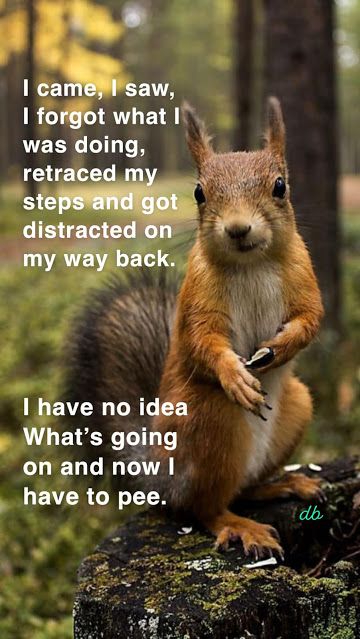
I’ve been squirrelled away, editing. Editing. Editing. Once in a while, I come up for air or a tea. Then back to it. Then take a walk. Cook dinner. Back to it.
Everyone has their own writing techniques, and over the course of my career, I’ve tried most of them: I’ve outlined a plot and characters to a T; I’ve written out scene cards on post-its and rearranged them until I had the story down. But my tried-and-true method is to open a Word document and make use of their post-it function (that’s what I call their review/comment function), then type out 10 scenes that cover the arc of the story. After that, I toss my characters into the room (parameters of the scene) and let ’em loose. That comment function is worth its weight in gold, as I can slice out something and pop it in a comment off to the side, move it, scrap it, or take out the core and put it somewhere else. I can put reminders to check continuity in there, along with plot development thoughts, what-ifs, alternatives, etc. and try them out whenever it’s time, then delete them and move on. I tried the popular Scrivener program once, and it ate a manuscript for lunch (fortunately, I’d saved a Word version!)! Besides, I’m more organized than that program will ever be!
In my current manuscript, which is science fiction, I tossed the characters on an alien planet (a character in its own right) and let them figure it out. As they talk and move through the scenes and through time, they ripen and develop into full characters with a deeper story as a result. But that can also result in a chunky manuscript, that then needs to go through the toning process – cutting away the excess fat of characters, scenes, and dialogues and making them lean… in the film industry, it’s called the “cutting room floor” process. And that’s the current stage I’m in. When I started out, I had no idea how I’d reach my goal: My starting point, which was the completed manuscript in December last year, was a whopping 148K! My end goal, with a marketable science-fiction range of 100-115K, was over a few hills. But every journey begins and ends with small steps. I started going through my usual edit/proofing list, and I’m now in sight of the goal, just under 117K, and I’m not done yet. The trick is taking off my writer’s cap and putting on my editor’s hat; that means letting go of favourite scenes, plot points, and even characters when necessary. If it doesn’t serve the main- and sub-plots and character development, then out it goes. My husband, who was once a black belt in Lean Six Sigma, has called it my “lean sigma process”.
Sometimes I feel like this squirrel… and that’s where that comment function comes in handy again!
So… I’m off to make myself lunch, then dive back into the editing. I’ll reach my goal, with a comfortable margin, within the next week!
If you’re a writer, what is your approach? Copious amounts of pre-notes and hundreds of questions to develop characters and plot in your mind, or winging it? Please spill the beans in the comments below!




















 Stephanie Huesler