Tag Archives: Caribbean

Etymology Undusted: British Colonial English Borrowings

Just as language in 11th-century Britain needed to adapt to facilitate communication between the Anglo-Saxons and the Norman French-speaking ruling class, when Britain eventually expanded into what became the British Empire, the nations under their rule absorbed English for the same reasons. English is known as the common language that divides; Caribbean English has little to do with Indian English; Australian English has little to do with Creole English. The rich linguistic diversity that resulted from geopolitical constellations is something we still benefit from today. English is still absorbing new words from other languages, such as umami (Japanese); many new words may only be understood in local regions before they spread to wider use.

British English has many words imported from the time of Colonialism, from India, the Caribbean, Australia, and Africa. Over time, many of those words have been exported to the colonies of the New World, and so they are familiar to English speakers outside of the colonial regions of the former British Empire. Here are a few words we owe to Indian languages (which number over 120; if you count dialects, it can be into the high thousands):

From Hindi, we have: Jungle, pajamas (pyjamas), pundit, bungalow, cushy, monsoon, avatar, bangle, bandana, chutney (and many spice names, such as garam masala), cheetah, cot, cummerbund, dinghy, dungaree, juggernaut, khaki, karma, loot, mantra, punch, pukka*, shampoo, typhoon, and veranda – to name a few.

*Pukka is a modern British slang word meaning superior, excellent, first-class.

From the Indian Tamil language, we have catamaran and curry; from Malayalam, we have calico and jackfruit; from Kannada, we have bamboo; from Sanskrit, we have atoll, aubergine, basmati, candy, carmine and crimson, cowrie, crocus, ginger, jute, lacquer, lilac, mandala, mandarin, musk, nard, opal, orange, pepper, rice, sapphire, sandalwood and shawl.

From Australia, many Aboriginal words have spread throughout the English-speaking world and beyond; here are the most common: kangaroo, koala, dingo, wombat, kookaburra, boomerang, gammon, cheeky, lingo,moola (money), and wallaby.

African words that have made it into English include banjo, jazz, cola, chigger, ebony, goober, gumbo, impala, jive, jukebox, jumbo, mojo, okra, safari, tango, jam, and zebra.

From the indigenous Caribbean languages, we get words like barbecue, canoe, cassava, guava, hammock, hurricane, iguana, maroon, potato, savanna, and reggae.   

This list could be pages long, as the British Empire influenced, as well as absorbed, languages and vocabulary from around the world.

Do you know of any others to add to the list? Please add them, and where they come from, below!
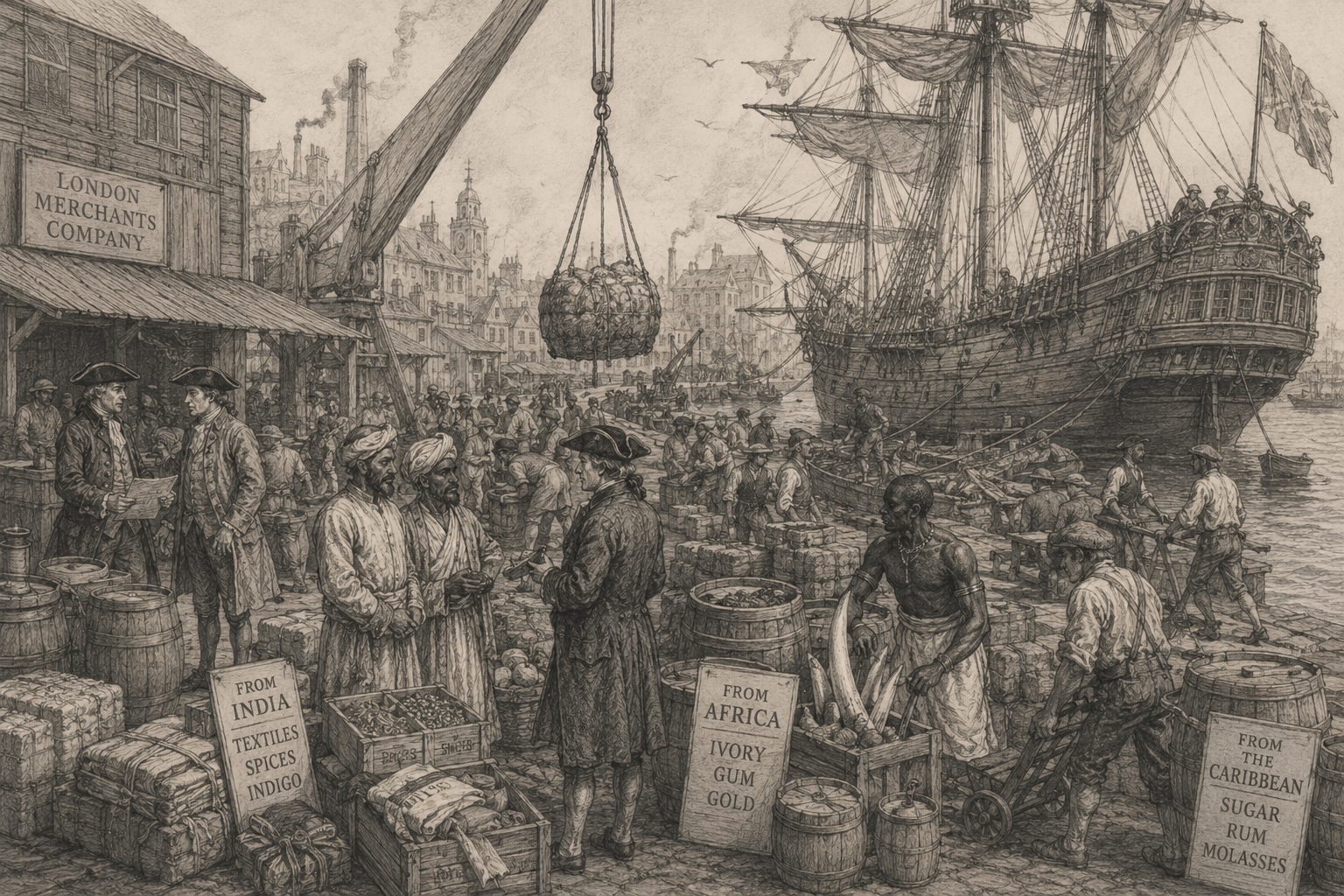
(AI Gen Image)

4 Comments

Filed under Articles, Etymology, History, Liguistics, Linguistics, Translations

History Undusted: Limbo

Over the past year and more, we’ve all experienced limbo in one form or another: Lock downs, restrictions, cancellations of events or flights or holidays or plans to meet up with friends, and the uncertainty of how long it will all last. Then there is the feeling of limbo that comes with my personal situation of waiting for the cascade of appointments for my husband’s chemo to begin; we had a set-back last week with a bacterial infection and a week’s hospitalization, so we’ll just have to wait and see if he can keep the appointments already made or not. Limbo. Waiting to find out if he can be brought home tomorrow. Limbo.

My writing, both in the forms of this blog and of my manuscript, have both been sucked into the state of limbo as well, as I’ve spent most of the past few weeks, and more intensively the past three days, on the phone with people who’ve asked how we’re doing, or answering messages on my phone or social media. Sometimes I feel like my manuscript is calling for me to work on it, and I’m trying to reach it while wading toward it waist-deep in a thick sludge of other priorities – it’s been just out of reach for days, because by the time I actually reach it, I have no energy left.

As I was thinking about those limbo moments, I actually started wondering just where the limbo dance comes from, historically; I remember doing it as a child – the local indoor skating rink played limbo every night. So, here’s a brief low-down on the low-down dance:

The origins are vague, as is the etymology of the name: Starting in late-1800s Trinidad, the name might have come from the Jamaican English “limba“, i.e. limber. Interestingly, the game is used in Africa as a funeral game, and there may be a connection between the two regions through the slave trade which brought Africans to the Jamaican islands, as it is also a popular “dance” for wakes in Trinidad. The rules are simple: a person passes under a bar, face-up, with the only body part allowed to touch the ground being the feet. The game is considered the unofficial national game of Trinidad and Tobago, it only began to gain popularity beyond the region in the 1950s; it was adopted in the mid-1950s as a form of physical exercise for American military troops. It was often attempted to a rhythmic song, and one of the most popular was the Limbo Rock, by Chubby Checker. Just listening to the song brings back the feeling of the cool breeze blowing around the skating rink as people sped to get in line for the limbo stick as soon as they heard the music start over the loudspeaker!

As we face our own times of limbo in this age of Corona, or in the circumstances we find ourselves in, perhaps it would perk up our spirits to hum the Limbo Rock and take it with a bow and a smile.

5 Comments

Filed under Articles, Etymology, History, History Undusted, Military History, Research, Snapshots in History