
As I recently mentioned, we had problems with kitchen moths; the source has been found (dates) – the jar which contained them also isolated them; I played the jar like a maraca and sang “La Cucaracha” as we put them in the compost. We are now moth-free! Woo-hoo!
We really appreciate the advantages of storing everything in glass jars: It looks pretty, we can see exactly how much we have, what we have, and it’s inviting to be creative in meal planning. One of the pasta jars we have contains mini “Hörnli / Hoernli” – the Swiss word for “little horns” and what the rest of the world probably refers to as macaroni. The topic came up as a meal idea, and of course, being us, we got into the historical aspect. Where did it originally come from? Did it arrive in America with Italian immigrants or is it a hybrid dish?

This image above is nearly sacrilege for many people, myself included – I cannot imagine eating pasta from a can! But just after World War 2, manufacturing of canned goods, frozen meals and the like were coming into their stride as families pieced their lives back together and got on with the business of rebuilding the country and economy; televisions entered the home mainstream in the early 1950s (think black and white, rabbit ear antennas, no remote and 2 channels) – but that’s another topic. Product placement during television programmes and news was a major factor in influencing the purchasing power of the average consumer (product placement may have begun as early as 1873, when Jules Verne’s fame led shipping companies to lobby being mentioned by name in his upcoming novel, “Around the World in 80 Days”).*
The oldest known reference to a dish that may be recognizable as the ancestor to the modern concoction is from the 13th century, from someone in the court of Charles II of Anjou who was familiar with the Neapolitan court; the dish was basically prepared with sheets of lasagne sliced into small squares, cooked in water and tossed with Parmesan cheese. The American version some might be more familiar with has two claims to ancestry: Either it began as a Connecticut church supper dish known as Macaroni Pudding, or it was brought over from Italy in the form of a recipe by Thomas Jefferson, who also brought back a pasta machine.
So, where was the noodle dish invented that we know today as “Macaroni and Cheese”? Switzerland, of course!
The dish, known as “Älplermagronen” (=”Alpine herders’ macaroni“) in the German-speaking areas and “Macaroni du Chalet” in the French-speaking areas, is made with those Hörnli, also known as “Magronen”, which were dubbed for the horns of the cattle, sheep and goats which the herders tend. The cheese was often a local product from the milk of those very animals, and the dry pasta was easy to hike up to their summer chalets where they slept on the Alps during the summer grazing seasons.
For a good, long read about the history of the pasta, click here for a “BBC Travel” article on the topic – and get a good taste of the Swiss Alps in the meal! And be honest – how many of you have a hankering for Mac & cheese after reading this? Click on the image below for an authentic recipe.
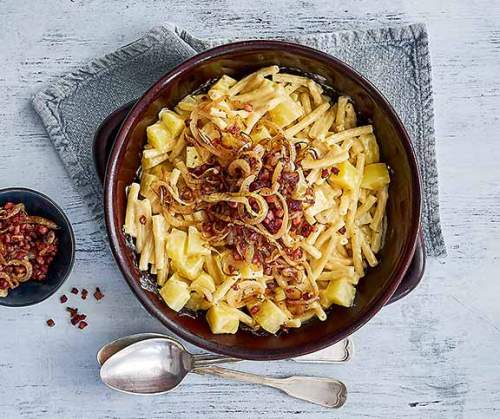
Image credit: Betty Bossi (the Swiss version of Betty Crocker)
*Information source: Wikipedia, William Butcher (translation and introduction). Around the World in Eighty Days, Oxford Worlds Classics, 1995, Introduction.
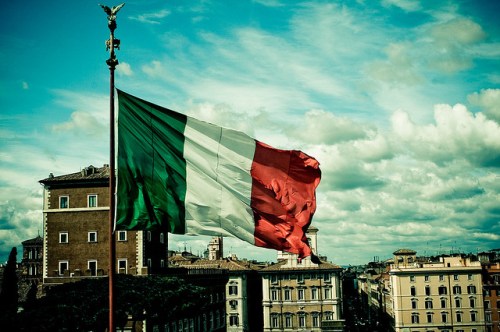
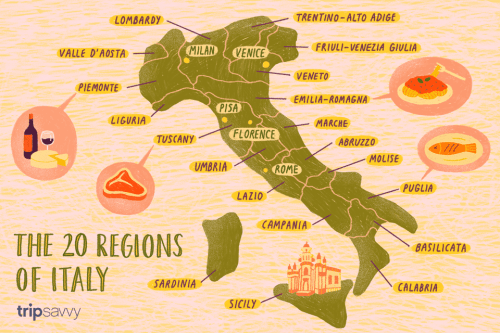 It’s been a while since I last blogged; sometimes, life just takes over, but I’m back into “normal” life (though that’s usually just a setting on my washing machine). My husband and I just returned from a week-long wedding in Francavilla al mare, in the region of Abruzzo, Italy; the groom was from England & Chile, and the bride was from Switzerland – so it wasn’t a typical Italian wedding by any stretch of the imagination; it wasn’t a typical wedding period. Languages flew faster than seagulls at the beach resort where we were staying; you could hear English, Italian, Portuguese, Spanish, Romansch, French, Swiss-German, High German, Danish, and a host of other tongues – and those were just the wedding guests. What made the wedding even more special was the mix of people: The groom was Daniel Ilabaca, co-founder of the World Parkour and Freerunning Federation, so most of the guests were from that scene; his wife Paula is a good friend of ours who’s lived with us off and on over the years, and we got to know him and the



 Stephanie Huesler