The idiom “Catch-22” comes from a book of the same title by American author Joseph Heller (1923-1999). The term originally referred to a military rule whose provisions are mutually frustrating. Heller used Catch-18 instead of Catch-22 when the first chapter of his book was originally published in 1955. He changed it by the time the entire book was published in 1961 because his publisher had already published a book that year with “18” in the title (Leon Uris’ novel, Mila 18). So in 1961, the phrase Catch-22 first appeared. It was first used figuratively in 1971 in Atlantic Monthly magazine. As far as the form goes, it is usually hyphenated and with a capital C, as that is the way Heller originally wrote it.
Since the author’s first usage of the idiom, it has taken on a life of its own: Today, its broader meaning is a paradoxical situation from which an individual cannot escape because of contradictory rules or limitations. It has also been used as a mnemonic for the symptoms of DiGeorge syndrome.
One particular quote from Heller is thought-provokingly insightful: “Everyone in my book accuses everyone else of being crazy. Frankly, I think the whole society is nuts – and the question is: What does a sane man do in an insane society?” In a way, this is perhaps an example of a Catch-22 for the sane person: If they stay in an insane society, they may lose their sanity; but by leaving such a society, they throw away any chance of bringing it back to a state of reason. Social and political polarisation are both poisons that infect society.
Throughout history, people have always been fascinated by thinking beyond their own known world; before widespread writing and reading, ancient cultures thought about their own mortality (which, in some ages, wasn’t that far off) and the afterlife. Various cultures prepared for the afterlife in their own ways: The Egyptians removed organs and embalmed the rest, making sure to send on the heart & co. in separate jars (except the brain – who’d need that in the next world?), then sent them on their way with an army of servants (killed for the occasion); the Vikings buried their most honoured dead within a ship with their favourite animals and servants (ditto). Other cultures built pyres to send their loved ones up in smoke.
When writing came along, at first it was used to capture the past and the natural world, ala Pliny the Elder; poems, sagas, verbal tales and folklore began to be recorded; we have such writings still with us today: The Greek Epic Cycle, the Orkneyinga Sagas, the Heimskringla, the Poetic Edda.
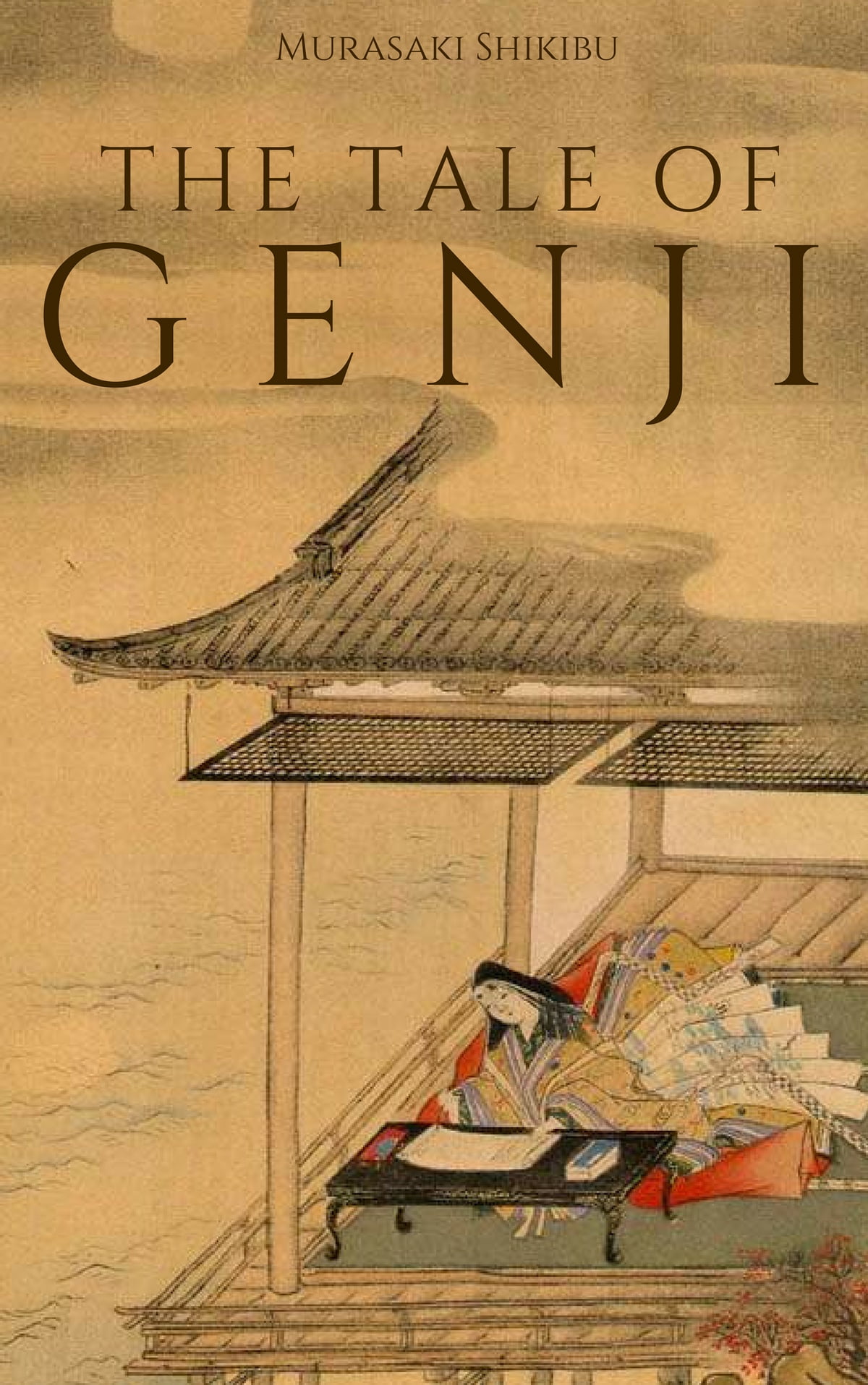
The first novel came along only 1,000 years ago: The Japanese epic The Tale of Genji was written by a woman, Murasaki Shikibu; novels were, for several centuries more, considered on the bottom rung of the literary hierarchy ladder, far behind “serious works” like history. Ironically, Mark Twain referred to history as “fluid prejudice”; it was nearly always recorded by powerful (white) men – hardly ever by a commoner, a member of an ethnic minority, or a woman. The interpretation of events was firmly in the hands of the conquerors. Because of that fact, for instance, we know more about Rome’s version of ancient Britons (Picts, Celts) than we do from their own artefacts; most Celtic and Pictish art is found outside of the UK – many carried off by the Vikings, but that’s another tale. Hollywood has helped perpetuate some of those ancient Roman notions (think of a blue-faced Mel Gibson in Braveheart).
In fact, we don’t even know what the Picts called themselves – the term derives from the Latin Picti, first seen in the writings of Eumenius in AD 297. It can be interpreted (dangerous words) as “to paint” – but there is no evidence that any people groups in northern Britannia painted themselves. Picts is simply a generic term for any people living north of the Forth-Clyde isthmus who fought the Roman Empire’s advancements into their territories. Again, the ink of history flowed from a Roman stylus.
Even Jane Austen herself didn’t begin publishing her novels under her own name. She was a single young woman – for shame that she would dare stain the male-hallowed ground of literature. The saga of how she got published speaks to her tenacity and the support of her family. But she got the last laugh, becoming famous within her (short) lifetime, and she is far better known today than any of the stuffy old men who wrote “proper” books of her day.
The insatiable fascination with other perspectives than our own explains why novels are so popular today. They take us into another time, place and situation, leading us through a story that, if written well, we can relate to and perhaps learn something from. In 1726, Jonathan Swift gave us Gulliver’s Travels. Though he originally wrote it as political satire, to “vex the world rather than divert it”, we know it still today. The fascination with someone being a giant in one land and a miniature in the next grabs our imagination; he travels to floating kingdoms, to an island of immortals, a la Death Becomes Her, and a land of talking horses.
Book Nook (Instagram repeat)
In the age of internet, visual arts have expanded as far as the global imagination can span: Not only paintings or drawings, but even crafts take us into another perspective. I recently saw a series of images in which people have taken the humble walnut shell and turned them into tiny worlds with bookshelves, ladders, lamps, beds and creatures. Book nooks are popular, too: A tiny village, street, or room within the space of a book on a shelf. Science fiction art takes us off-planet.
Films are visual perspectives that take us into other worlds, times and places: When George Lucas showed us a “commonplace” bar scene on Tatooine in the Mos Eisley Cantina in Star Wars, he blew our minds and kicked off a new era of visual storytelling. Avatar took us to another planet and another perception of reality, all the while being an allegorical tale of ecological care vs. abuse. Somewhere along the way, sometime in your life, I’ll bet you’ve been fascinated by a different perspective, whether presented to you through a book, a documentary, a sermon, a play, a film or a conversation. What did you learn from that encounter? How did it change you, or help shape your perspective? And what is your favourite “escape”: Films, books, visual arts, or music? Please comment below!
I’ve been squirrelled away, editing. Editing. Editing. Once in a while, I come up for air or a tea. Then back to it. Then take a walk. Cook dinner. Back to it.
Everyone has their own writing techniques, and over the course of my career, I’ve tried most of them: I’ve outlined a plot and characters to a T; I’ve written out scene cards on post-its and rearranged them until I had the story down. But my tried-and-true method is to open a Word document and make use of their post-it function (that’s what I call their review/comment function), then type out 10 scenes that cover the arc of the story. After that, I toss my characters into the room (parameters of the scene) and let ’em loose. That comment function is worth its weight in gold, as I can slice out something and pop it in a comment off to the side, move it, scrap it, or take out the core and put it somewhere else. I can put reminders to check continuity in there, along with plot development thoughts, what-ifs, alternatives, etc. and try them out whenever it’s time, then delete them and move on. I tried the popular Scrivener program once, and it ate a manuscript for lunch (fortunately, I’d saved a Word version!)! Besides, I’m more organized than that program will ever be!
In my current manuscript, which is science fiction, I tossed the characters on an alien planet (a character in its own right) and let them figure it out. As they talk and move through the scenes and through time, they ripen and develop into full characters with a deeper story as a result. But that can also result in a chunky manuscript, that then needs to go through the toning process – cutting away the excess fat of characters, scenes, and dialogues and making them lean… in the film industry, it’s called the “cutting room floor” process. And that’s the current stage I’m in. When I started out, I had no idea how I’d reach my goal: My starting point, which was the completed manuscript in December last year, was a whopping 148K! My end goal, with a marketable science-fiction range of 100-115K, was over a few hills. But every journey begins and ends with small steps. I started going through my usual edit/proofing list, and I’m now in sight of the goal, just under 117K, and I’m not done yet. The trick is taking off my writer’s cap and putting on my editor’s hat; that means letting go of favourite scenes, plot points, and even characters when necessary. If it doesn’t serve the main- and sub-plots and character development, then out it goes. My husband, who was once a black belt in Lean Six Sigma, has called it my “lean sigma process”.
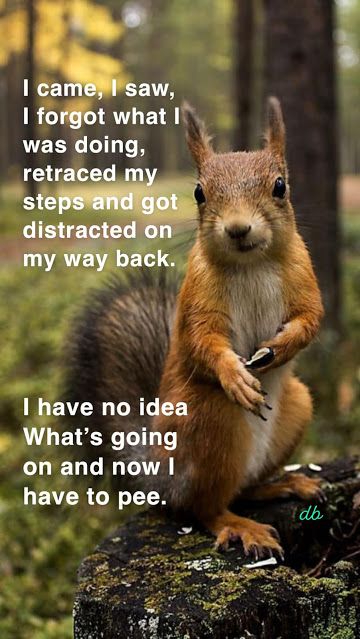
Sometimes I feel like this squirrel… and that’s where that comment function comes in handy again!
So… I’m off to make myself lunch, then dive back into the editing. I’ll reach my goal, with a comfortable margin, within the next week!
If you’re a writer, what is your approach? Copious amounts of pre-notes and hundreds of questions to develop characters and plot in your mind, or winging it? Please spill the beans in the comments below!
Happy New Year! I don’t know about you, but I’m happy to leave 2021 behind me! On New Year’s Eve, my husband and I sit down and review the last year, and talk about what we’d like to see or do in the following; this year, when we reviewed the last 12 months, we had to say, “what did we experience unrelated to health issues?” and we were hard-pressed to come up with anything substantial: Holidays were a non-topic, as my husband was in and out of the hospital, sometimes emergency, with complications that delayed his chemotherapy; finally, that got started – which meant that either he had little energy for taking day trips, or we couldn’t go because he had appointments. If anyone has had it themselves or has a family member who’s had cancer, you’ll know the “routine” – if you can even call it that.
In the midst of all that, with my energy and focus on him, or on communicating with friends and family, everything else seemed to fall to the back burner, including regular blog posts. In the past few months, if I wrote at all, I worked on my next novel; I finished the final draft in mid-December! Then I immediately did a straight read-through and began the work of fine-tuning and editing. I have Beta readers for feedback, but because I’m an Indie publisher, I do all of the nitty-gritty myself, the work of graphics, formatting, editing, and a long list of to-dos that could fill a book by themselves. Those are what I’m tackling next – after the feedback is in and incorporated where needed.
Now that chemotherapy is behind us (his last ended on Christmas Day!), we’re still not out of the woods but at least we can see the skies through the thinning trees. Also in December, I had my 2nd Covid vaccination and have noticed a marked drop in the long-term symptoms that had been slowing me way down, some days stopping me altogether, since March 2020. The end of those two issues gives me more hope for the coming year! It also means that we can look forward. Last year, it was impossible to plan; at the worst times, we couldn’t even plan an hour ahead. Of course, Covid complicates things, with travel restrictions or threats of lockdowns, but I think we’re all used to that by now.
Have you made any holiday plans for the coming year? If we could fly anywhere, without Covid complications at the airport or crossing borders, ideally we would love to go back to Scotland, where I used to live and where we met back in the day! But we live in one of the other most beautiful patches on Earth, so we’re hoping to take the Grand Tour route of Switzerland this year instead. In the past, we’ve often rented a motorhome for holidays, whether in New Zealand, Norway or Scotland, so perhaps we’ll do that here, too. Every plan is qualified these days with a maybe, perhaps, or we’ll see.
My hope for this blog in the coming year is that I can take control of time and energy once again and begin posting regularly. I have a few ideas, so keep an eye on this space!
As a novel writer, I’m first and foremost a reader; I love to read, I love to buy books, smell them, feel them, upload them… any form is fine by me. I want the books I read to be witty, intelligent, and well developed in terms of plots, characters and environments.
Kitchen Sink Realism
Everyone has different tastes – that’s why there are so many different genres; but for me personally, there’s also a list of things I don’t want in a novel: I don’t want to be confronted with messy lives dealing with self-inflicted problem after problem; I don’t want tragic or sad or bitter endings; I don’t want to be confronted with the grit, grime, blood and gore of dysfunctional lives that end up learning nothing, making no character arcs, and end up in the mud by the end of the tale. This genre description actually has a name: Kitchen Sink Realism. It was a cultural movement in Britain back in the ‘50s and ‘60s that was portrayed in films, books, plays, and art – the grit, grime, anger, disillusionment and harsh realities of realistic social scenarios. It’s what might also be referred to as postmodernism. My personal response to this kind of novel is, “If I wanted that kind of realistic tension, I could just go hang out at the nearest bar.”
A Tough Nut
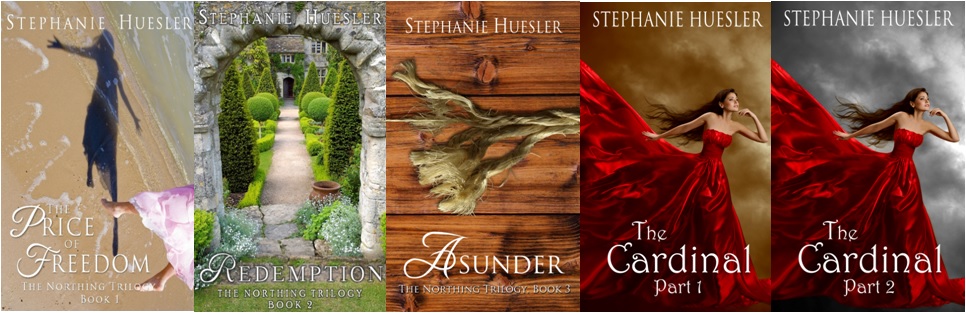
I once had an English student, and our focus was medical English in preparation for their upcoming medical exams (two nurses came together for semi-private tutoring). As part of the lesson we needed to work on basic conversational skills and sentence structures, and I find that the best way to bring in a wide variety of scenarios is usually to do a type of role play – nothing embarrassing, but each person is given a character to put themselves into a situation that they might not normally deal with: They may be a chef, or a secretary, or a customer in a hardware store. This particular student, when asked what kinds of books she read, said, “history and autobiographies or biographies”. When asked what novels she read, she said she found such things ridiculous and a complete waste of time (this was back before I became an author!); she categorically refused to even try to put herself into someone else’s shoes for the scenarios. My impression of her as a person was that she was narrow-minded, knew it, and was proud of that fact. She was a hard character, and all the time I knew her or met her afterwards, I never saw a soft side emerge, either toward herself or toward others; I often found myself wondering why she’d gotten into the nursing profession in the first place – as a patient, I wouldn’t necessarily want her working on my ward… A line from the novel I’m currently writing (Asunder, the third book in the Northing Trilogy) would have fit her life too: “he has never had the propensity for engendering compassion; I pray he never needs it, as he never gives it.” An epic love story might do her a world of good.
What’s Worth Reading
What I want when I read a book is to be transported into another life, whether that’s in the past, present or future, on this earth, or on another planet, or in another dimension; I want to be entertained, made thoughtful, learn something about the world around me, and learn something about myself. Ideally, I will come away from the experience having been changed, in even a small way. I want to feel connected; somewhere out there is a person I can relate to – whether it be the author, or the character, or other readers that appreciate the same books.
Aside from places and times that are genre-specific, such as science fiction and alien planets in the future, or London in the 18th century, all of the elements of what I like in novels are universal. Humans the world over, in every century, want to feel connected; to feel that they can relate to something someone else is going through; even to have parts of their own life’s experiences explained through someone else’s perspectives in similar circumstances. Above all else, at the heart of every good novel – regardless of the genre – is a story of love; that is the ultimate connection between characters. It may be a child finding the love of a family after being shoved through the knocks of life too much for their age; it may be the hero or heroine finding love; it may be a widow or widower finding love again, or reuniting with true loves; it may be someone coming to the point in their life that they accept and love themselves just the way they are.
On to You!
When you read novels, what is it you’re looking for? I would love to hear about it – please comment below, even if it’s just a few key words!
Challenge: Write a short paragraph (100 words or less) daily on a topic beginning with the sequential letter of the alphabet.
Wiring
Mark Twain once said, “Truth is stranger than fiction, but it is because fiction is obliged to stick to possibilities; truth isn’t.” Life is usually smoother than its fictional counterpart; true stories made into film, such as It Could Happen to You (Nicholas Cage, 1994) would be “too boring” if they only told the truth. But wires need to be crossed… relationships gone stale must be electrocuted back to life, communication hampered by misunderstandings, and obstacles placed in the path of the hero/heroine to make it more interesting. Crossed wires are the bedrock of most tales, no matter the genre.
Challenge: Write a short paragraph (100 words or less) daily on a topic beginning with the sequential letter of the alphabet.
Novel
Don Quixote, first published in 1605, is widely considered the first novel; but the novel as a genre seems to have risen to popular culture in the 18th century. Since then, millions of novels have been written because, through the perspectives, lives and times of characters, readers can escape their own realities for a short time, can learn something about themselves, and can perhaps even learn how to deal with their own challenges or difficulties in new ways. We love to identify with stories, root for good to triumph over evil, and see the hero or heroine fall in love.
Dialogue is (to point out the obvious) vital to a novel; it displays the voices of your characters and helps the reader get to know and care about the characters, understand their motives, their interrelationships, and distinguish each character’s point of view. If you don’t get the dialogue right, you rip the reader out of the story, or worse – make them put down your novel and add your name to “never again” lists! So, here are a few pointers and tips to keep in mind as you develop your characters and put words into their mouths:
1) Develop your characters well enough to make their voice distinct; do they have catch-phrases, or local dialects that influence their vocabulary? Do they tend toward long or short sentences, or are they from a past time and place that had a different way of speaking? Educate yourself if necessary in various modes of speech .
2) Dialogue is an illusion of conversation; but it’s also about what is not said. Non-verbal actions reveal:
a) How a character says something
b) What a character chooses not to say, but inadvertantly reveals through actions.
c) Why the character says what they do.
Do they have particular actions when they are upset or aggitated that communicate their moods to the reader? Do they bounce their knees when excited? Does their body language confirm or contradict their verbal message?
3) Fictional dialogue needs to cut to the chase; if there’s no point to the text (revealing motivation, character or plot point), then chop it!
4) Avoid the trap of using dialogue as exposition (the proverbial villain’s monologue as he prepares to destroy the hero), but rather reveal essential information through action, or narration.
Explore your characters and develop their voices, and above all – keep writing!
Anyone who writes novels worth reading can tell you that, as with any relationship, the first impression you make is the most important. You know that you need to get your character from A to Z through the story, but how you introduce A is more important than B through Z – in other words, if you lose your reader’s interest from the get-go, they might not stick around long enough to find out where you want to lead them. Here are 7 steps to remember that will lead you to that great first impression:
Dive in! Hit the ground running! Begin your story in the middle of an action scene, or in the middle of a conversation. Let your reader feel like they’re eavesdropping on a decisive moment in your character’s life. Make them wonder, make them ask questions they want answers to! Who’s speaking? What’s the context? Why is there X problem / challenge / discussion?
Make your character human: Give them sympathetic traits, a relatable nature, and attitudes that readers can identify with. Do this through dialogue and actions, or by internalization (getting inside the character’s head, an “inner dialogue”). It will help you to prepare your main characters by writing out a biography for them. Give them memorable names (not complicated ones, or names that are difficult to work out how to pronounce). The main character must be somewhat larger than life (more interesting than the average person in some way); do this through giving them idiosyncrasies, habits, a quirky sense of humour, etc.
Romance: If your character is real, there will be romance – some kind of heart-to-heart relationship that touches that key human emotion. I’m not talking about slutty romance novels; I’m talking about real human connection and rich emotional landscapes, whether it’s a small-town story, a science fiction planet, or a war zone.
Supporting character: This might be a sidekick, a friend, partner, companion, or even an object or pet. It is someone or something for the main character to share their experiences with. The supporting character should contrast your main character – perhaps someone who asks the reader’s questions, or wants explanation of terms or concepts the reader might not be familiar with, without becoming “teach-y”. They might be the voice of reason to an impulsive main character, or the voice of adventure to a staid hero/heroine.
Antagonist: This opponent is an obstruction to the main character’s goals. They create problems, sometimes danger. They may be human, or non-human (e.g. man vs. nature), or may be an internal struggle of the main character (haunted by their past, or an addiction, a weakness such as impatience, etc.).
Emotion: Build an emotional landscape (this links closely with # 3). Show the main character as life-like, and develop relationships, or show struggles the character has with particular issues that give them depth and breadth.
Style: Bring it all together in a style unique to your character’s voice and biography. Show their feelings, conflicts, adding complications and subplots to take it deeper. In your first chapter the goal of your character should come out – what their desires are, their determination, problems to solve, etc. – without making the arrival at that goal all too obvious!












 Stephanie Huesler