Tag Archives: Creative Writing

Fieldnotes

A few months ago, I began something that has added a layer of creativity and organisation to my life which, to be honest, is fairly creative and organised as it is. But this little addition adds a nice colour: Fieldnotes.

The original concept of taking fieldnotes comes from the scientific disciplines: An archaeologist in the field, taking notes on where, what and when something was uncovered; a geologist, botanist, ornithologist, or entomologist taking notes on observations, perhaps drawing an illustration of a specimen or a map of the landscape.

Fieldnotes can include writing, diagrams, drawings, or visual clues within an entry such as arrows or other visual connectors. They differ from a daily journal in that the fieldnotes are concise… rambling or expanding on a thought belongs elsewhere, but not in a “quick-draw” situation (pun intended).

Creative thinkers have jumped on the idea for reasons other than scientific observation: As a writer, fieldnotes help me capture snippets of ideas, dialogue, or an observation when out in public (I love to people-watch), or something I read – sometimes the comments on YouTube videos are a great capsule of humour! I also use fieldnotes to keep track of tasks on a busy day – lists of to-dos, to-writes, and so on. When I have a creative project, I take notes on the steps taken – such as making giant flowers that no one else has ever made; how to scale up a smaller version of a crepe paper flower is not always straightforward, and if I have several to make, it helps to have those detailed notes of the prototype phase for the next time around.

Taking fieldnotes might help get your creative juices flowing. If you’d like to start this practice, here are a few tips:

  1. Use a small notebook – one that can fit into a shirt pocket, man-bag, or purse. I’ve made my own with 70gsm blank paper, which allows me to make the same size and style repeatedly. But if you can’t do that, just use something like a moleskin notebook; these come in various sizes, with or without lined pages. There is also a company with books called Field Notes, though they seem a bit pricey for what you can do on your own…
  2. Use a good pen, or pencil, or coloured pencils if you want to sketch something with colour.
  3. You can either take chronological notes, such as dating each entry, or you can organise your notes into groupings: One page per character, scene or topic, or for a to-do list, or whatever you want to capture on the go.
  4. Use visual cues, such as boxes around certain elements or arrows connecting one thing to another. Use illustrations or draw diagrams; attach images from magazines, printouts, etc.
  5. Highlight tags or keywords; consider numbering each page and keeping an index at the back of the book to help you find things later on.
  6. One book that might help kick-start illustrative note-taking if it’s new to you is The Sketchnote Handbook, by Mike Rohde.
  7. Think about how you’re recording things on the page: Do you always want to write straight, top left to bottom right, or do you want to mix things up and write diagonally, sideways, or even backwards? Yes, sometimes that’s a thing; Leonardo da Vinci wrote privately in a mirrored direction, only writing normally when he wanted others to read his notes; he also developed his own shorthand.
Leonardo da Vinci’s Vitruvian Man, with mirrored writing.

I also have my own shorthand for many things; Sometimes I use what I call pigeon Asian (I use this when I don’t want anyone else to read it); it’s something I learned when living in Hawaii. It looks like Kanji (the logographic writing of Japan), but it’s not – that’s all I’ll explain! I also use logographs, such as the ancient Anglo-Saxon rune of daeg, which includes the concept of day, dawn, intuition or breakthrough; I use this to designate those times when I’m writing: Rather than writing, “Today, I wrote/worked on the manuscript for...” I just write that symbol plus the name of the manuscript and details. I have a whole series of such shorthand symbols that I use daily.

While there are note-taking apps available (and I use one, called “Keep My Notes”, on my phone for things like shopping lists or feedback notes for singing students or bands that I take during performances and review with them later), sometimes it’s helpful to get away from digital screens. Sometimes I’ll write whole scenes away from the computer – I don’t use my fieldnotes for that, though it will probably be used to outline a scene that comes to mind until I get to another notebook. Something about writing long-hand sparks a level of creativity that might not come while working at a computer; hand-eye coordination should never be underestimated in creative endeavours. Once a scene has developed enough away from the screen to be integrated into my current manuscript, it then takes on another reiteration as I type it in, tweaking and changing… it’s what I call a “ripening process” as a wine metaphor for the creative maturing process a scene goes through by this method. It gets my head into a new space figuratively, literally, and literarily!

In an age when we are constantly bombarded with visuals wherever we go, sometimes it’s healthy to go back to good ol’ pen and paper. On those days so busy that I can’t remember what I’ve actually done, it’s helpful to look back at my fieldnotes as I write out my thoughts in my daily journal.

Do you write? Do you ever make lists for shopping, chores, people to contact, or things to do? If so, how have you kept track of such things so far? If it’s a system that works for you, brilliant! But if you find yourself wanting to switch things up or wanting to improve your use of time, would you consider taking fieldnotes? Please comment below!
2 Comments

Filed under Articles, Etymology, Humanity Highlights, Links to External Articles, Lists, Musings, Nuts & Bolts, Research, Science & Technology, Writing Exercise, Writing Prompt

When It Rains, It Pours

You’ve probably heard the saying, “When it rains, it pours” (or the British version, “It never rains but it pours”). The idiom refers to a series of unfortunate events occurring within a short amount of time.

I wouldn’t necessarily limit it to unfortunate events; sometimes they’re just inevitable occurrences or busy times. The latter two would describe my past few months: From mid-January to last weekend, one of our nephews was staying with us every weekend when he had time off from his basic military training; this 18-week period is mandatory here in Switzerland, but our nephew is half-Swiss, half-Mexican, and is currently living in South Africa, so he actually volunteered. Not only did he want to be near Swiss family and have the experience of being away from his home and in a camaraderie, but when he returns next autumn to begin university studies here, it would be easier for him to be accepted if he did so.

What that meant for us is that, though we really enjoyed having him here and spending time with him, the things that normally happen on weekends simply had no room, and the weeks were ultra-busy, leaving little time to tackle those things. When our nephew was here, the focus was on him; “Tia” (Spanish for “aunt”; Tio is “uncle”) was frequently heard. Laundry (tons of it!), cooking, shopping, meal-planning… they all happened much more frequently – he was a bottomless pit, as most teenage boys are. The first month or two were most intensive, as he had grown up with a maid – which he rapidly learned I am NOT. He learned a lot of “life lessons”, and about family house rules – things he’ll need to know when he finds a student flat-share; he learned to cook a few new meals, clean up the kitchen after himself, and how to cut his own hair. He learned that if he put his socks into the laundry bunched up into a ball, that’s exactly how he’d get them back – that, and we have no clothes dryer (only drying racks) – so timing on getting his clothes back clean and dry for the following week was a crash course. He learned to think about and change habits to reduce his environmental footprint.

My weekends were usually when I could plan, write and edit blogs. Because that time was either reduced or swallowed up entirely every weekend, some tasks took precedence; when I had time, focus and energy for writing, it went into getting my five books prepped for paperback release, and gradually getting them sent off for proof copies. So far, I’ve been able to release two of the five novels. The printer (who is either in England or in France) doesn’t ship to Switzerland (why do companies frequently act as if Switzerland is on another planet?!); it’s been a challenge getting the books to me – fortunately, some of our family lives in France, so they can receive it. Sometimes the packages are sent, sometimes carried by hand to closer family, sometimes handed off in car parks!

Two weeks before our nephew’s time here came to an end, we accidentally discovered that we’ve got a huge problem in our flat: Water damage coming from somewhere that will now require walls, floors, balcony tiles, windows and downstairs ceiling to be ripped out and repaired! Raining, pouring… For the past four years, repairmen have come and gone but none of them have gotten to the root cause. So this time, I’ll be watching them like a hawk and pestering them to push beyond their nose to find the actual cause, repairing that first! And that all begins this week.

After the past few intensive months, I’ve been trying to catch up on those things that, of necessity, were neglected, and those things I need to prepare for when our home is invaded by an army of repairmen – at least that’s what I’m imagining, though it will more likely be a steady stream of comings and goings, appointments, and cleaning up the aftermath of dust and debris…

And now that my schedule can resume a partial semblance of normal, I want to get back into creative writing – my next novel, as well as this blog! So many projects, so little time! But if a day had 40 hours, it would still not be enough to accommodate everything I’d like to do. Maybe it’s God’s mercy that we don’t have 40-hour days!

4 Comments

Filed under Articles, Family History, Musings

Imagination is a Superpower

I’ve taught English as a foreign language for adults for years, from the age of 13 up until Covid put such gatherings on hold. I would often use some kind of exercise that allowed students to think outside of their normal lives, to stretch their vocabulary and to practice speaking and forming sentences outside of their comfort zone. I once had a nursing student, meeting as a semi-private student with another fellow nurse, who categorically refused to do any exercises requiring a make-believe scenario; she called herself a “realist”. Despite reasoning with her, or her friend asking her to participate so that she could learn more, she refused. I found it frustrating as a teacher, but I found it tragic as a writer and creative thinker.

Thinking outside of the box and thinking creatively stretches our brains in extraordinary ways; it promotes creative problem solving, allows us to put ourselves in someone else’s shoes for a moment, and can help us view a situation from several different angles. By thinking into fictitious scenarios, we learn something about ourselves along the way – those things that make us tick, our strengths, or our weaknesses.

For years, I’ve collected interesting writing prompts whenever I’ve come across them; it’s going down the proverbial rabbit hole to follow leads on the internet, but because I’ve collected them willy-nilly, I can’t tell you exactly where they originated – it’s a common problem with online research, and as often as I can, I try to give proper credit to images that I use if they’re not my own; the people out there who offer their creative perspectives, photography talents, or Photoshop skills deserve credit where credit’s due. But it’s one reason that I don’t often share such prompts here, for those of you following who are also writers. Another reason is that there are enough sites out there stuffed to the gills with prompts. What I would like to do today is share an exercise in imagination.

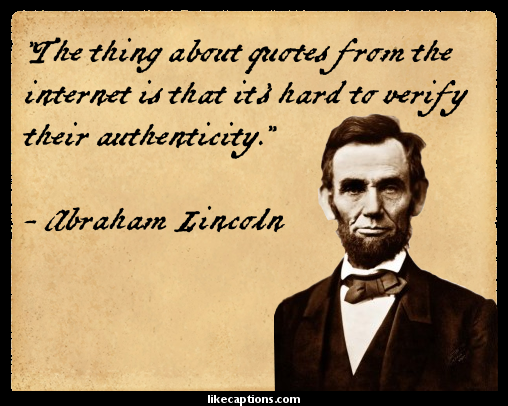
Albert Einstein quotes run rampant on the internet; without a reference book to know what he actually said, I feel that many of them fall into this category:

Having said that, sometimes you can gather the essence of what he probably said by reading “diagonally” through the supposed quotes, and one such sentiment is that Einstein said something like, “Imagination is more important that knowledge; knowledge is limited to all we know and understand, while imagination embraces the entire world.” Mark Twain once wrote*, “You can’t depend on your eyes when your imagination is out of focus.” [* Excerpt from his Complete Works] (By the by, if you’d like more Mark Twain wit, I wrote an article about his views on Switzerland, and the German language – just click here.)

So here’s something to exercise your imagination with:

You have the choice between flight and invisibility; which do you choose and why? What will you do with this superpower?

I’d love to hear your answers in the comments below!

13 Comments

Filed under Articles, Humor, Images, Musings, Quotes, Research, Writing Exercise, Writing Prompt

Calligram # 1: Ticino

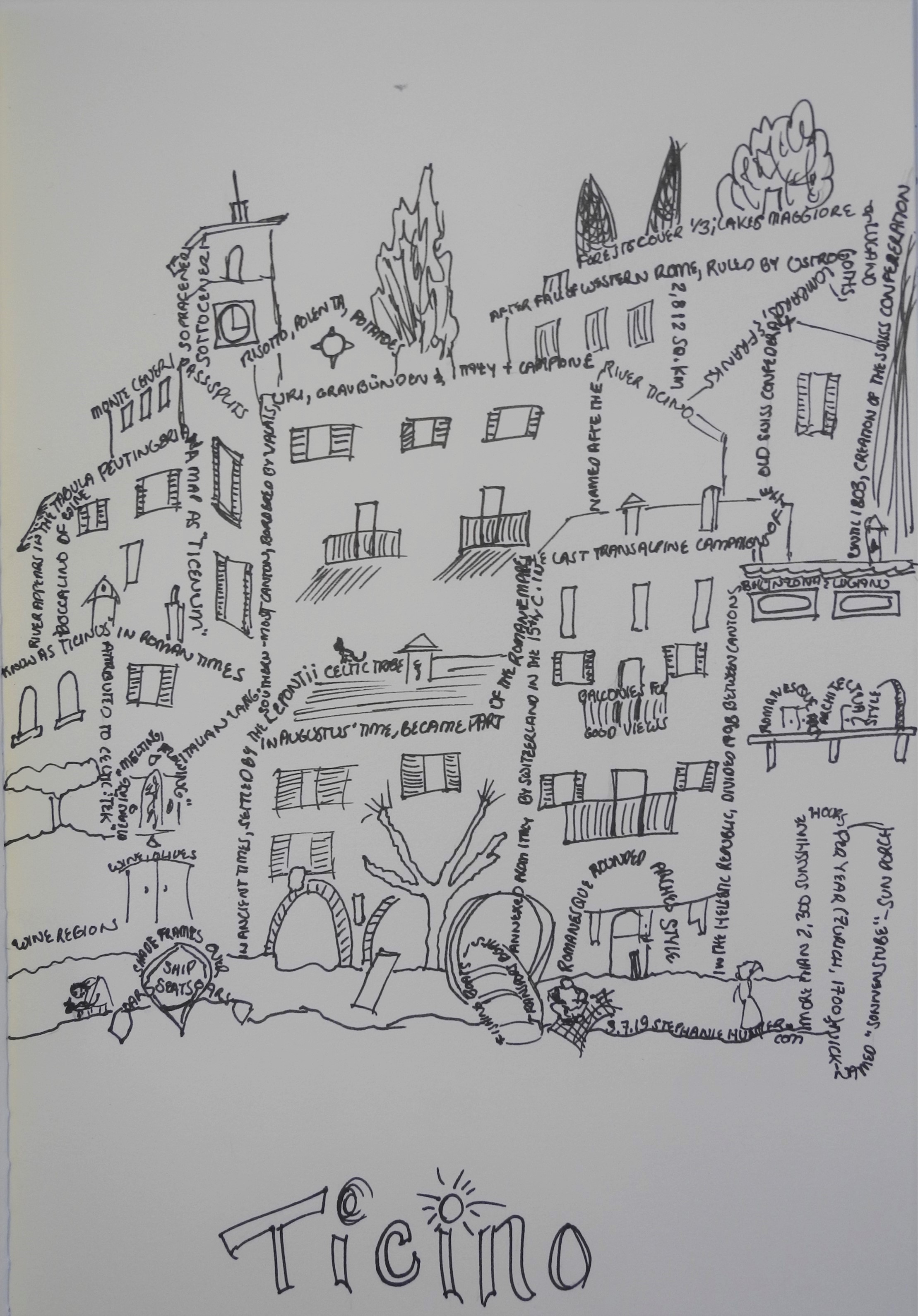
For those of you unfamiliar with calligrams, they are images created out of spatially-arranged text, usually related to the image they create.

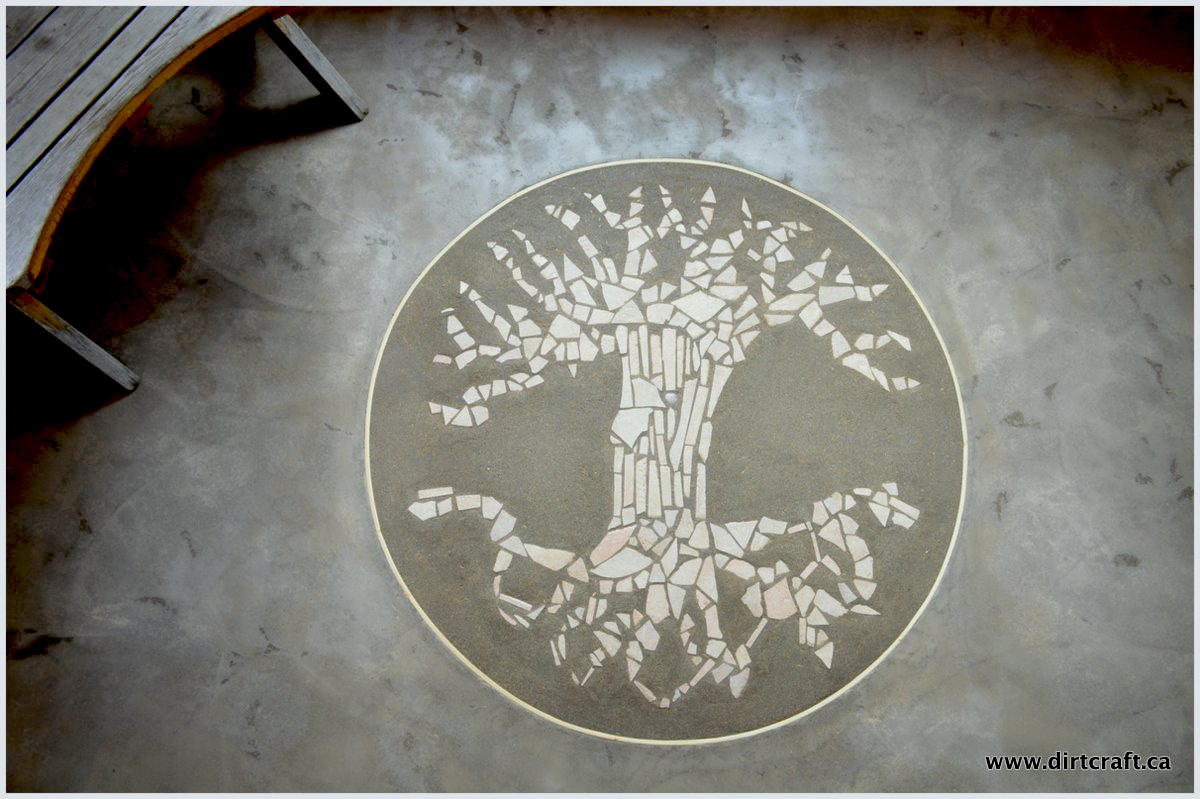
I began doing calligrams several years ago, and enjoy the “bite-sized” research involved in gathering facts, history and general information about a subject. The first one I made was probably a Viking ship or the wassail tree; the latter, I accidentally found being used as the back cover design of an art magazine online out of Romania; I asked them to attach my web address and credit the image to me, and they did so, but it taught me a valuable lesson: embed my name into the calligram!

Below is one that I did recently while on holiday in Lugano. You’ll hear more about that soon, but in the meantime, enjoy this calligram!  Just click on it to enlarge it. The image itself is based on a vintage postcard collage.

If anyone would like to use this in any way, please contact me through the comments below; whenever using any image, please give credit – whenever possible – where credit is due!

Ticino Brighter

6 Comments

Filed under Articles, Calligram, History, History Undusted, Images, Publications, Research, Writing Exercise

Writing Trivia: Earthen Floors

I do a lot of research online; sometimes it leads down the oddest of trails, and those are always the fun ones to follow – the road less travelled, and all that.  I keep a storehouse of “odds and ends” information, the trivial bits and bobs that might come in handy as I create a new world for a story.

I was recently writing an article for one of my other blogs (click here to read it), and came across an interesting article on the topic of earthen flooring; such an element could be used in historical fiction, science fiction, or modern eco-escapism fiction.

What I found fascinating is the way the writer describes her first experience of walking on such a floor:  The leathery softness, the warmth, the texture, and the creative possibilities this type of flooring allows.

Such things stir my creative juices, and I have to remind myself to finish my current manuscript before moving on!  But such an element will come in very handy for my next book, which is a science fiction story… and now, because I’ve shared it with you, I’ll know where to find it when I need it!

Click on the image below to read the article, and be inspired.  Keep writing!

Earthen Flooring


5 Comments

Filed under Articles, Nuts & Bolts, Plot Thots & Profiles, Research

Knowing Jack Schitt

This piece of writing has been floating around cyberspace for quite some time; I’ve tried to track down just who is responsible for it, with no luck [Note, November 2024: It was written by Jim Hickerson, as a fun email among co-workers back in 1998. See links to explanation and to the credits page].  It’s so tongue-in-cheek, your tongue may permanently stay there, and I dare you not to think of the whole family tree the next time you hear any of the associated phrases!

Who is Jack Schitt?

The lineage is finally revealed. Many people are at a loss for a response when someone says “You don’t know Jack Schitt.” Now you can intellectually handle the situation.

Jack is the son of Awe Schitt and O. Schitt. Awe Schitt, the fertilizer magnate, married O. Schitt, the owner of Needeep N. Schitt Inc. They had one son, Jack. In turn Jack Schitt married Noe Schitt, the deeply religious couple produced six children: Holie Schitt, Fulla Schitt, Giva Schitt, Bull Schitt, and the twins: Deap Schitt and Dip Schitt. Against her parents’ objections, Deap Schitt married Dumb Schitt, a high school drop out.

However, after being married 15 years, Jack and Noe Schitt divorced. Noe Schitt later remarried Ted Sherlock and, because her kids were living with them, she wanted to keep her previous name.

She was then known as Noe Schitt-Sherlock. Meanwhile, Dip Schitt married Loda Schitt and they produced a son of nervous disposition, Chicken Schitt. Two other of the six children, Fulla Schitt and Giva Schitt, were inseparable throughout childhood and subsequently married the Happens brothers in a dual ceremony.

The wedding announcement in the newspaper announced the Schitt-Happens wedding. The Schitt-Happens children were Dawg, Byrd, and Hoarse. Bull Schitt, the prodigal son, left home to tour the world. He recently returned from Italy with his new Italian bride, Pisa Schitt.  She’d had a pet dog, a mastiff who was known in the region by his Chinese name, Ho Le Schitt, because he ate small gangsters for breakfast; she couldn’t afford to feed him in her new country, so she left him where his food supply would not run out.

So now when someone says, “You don’t know Jack Schitt,” you can correct them.

Image Credit: Nobleworkscards.com

O. Schitt – this tree doesn’t quite match the lineage above. O. Well. Image Credit: Nobleworkscards.com

17 Comments

Filed under Humor, Images

If These Walls Could Speak

There’s just something about abandoned places that speaks to me; each one has a unique history, and an ending that seems somehow premature.  Whether it be a shopping mall in Thailand now occupied by goldfish; cities within range of the radioactivity of Chernobyl; an island that was once inhabited but now forlorn; an underground station or even an entire train station in the middle of an inhabited city, or an abandoned house, they each have a story to tell.  If their walls could speak, what would they say?  What have they seen?  What would they have liked to see but were prematurely cut off from the habitation or transient experiences of humanity?

DSCN5118 - Overtoun House

Overtoun House. Image Credit: Stephanie Huesler

I once lived in a manor house in Scotland, called Overtoun House; it was often my home over the years that I lived in the UK; once we moved away it fell into disrepair, ransacked by vandals and left to rot by the town council that was charged with its maintenance.  Several years ago I went back to visit and actually cried at the state it had fallen into – it was literally like finding a good friend face down in the gutter.  Finally, a few years ago an organisation moved in to restore the building to its former glory, and it will be used to house women in distressed circumstances.  My husband and I met there in 1991, and this past summer we went back for a visit; it was comforting to see her in good hands once more.

If you google “abandoned places”, you’ll find thousands of photos and stories just begging to be told:  Salton City, former Olympic venues, World War Two installations, train stations, castles, theme parks, homes, libraries (abandoning books is just wrong), subway / underground stations, shipwrecks, asylums, private homes, and even (most tragic of all) the abandoned dead in the “death zone” of Mount Everest.  Each one with a history and a reason they were abandoned, yet also an inspiration for writers to dig below the superficial surface to create an untold tale.

If those walls could speak to your inner writer, what would you hear?  Write it!

21 Comments

Filed under History, Research, Writing Exercise

SWOT Analysis in Fiction

Writing fiction often brings the writer to a crossroads:  Should I take my character(s) down this road or that?  Will they decide this or that, and what will the consequences of either choice or decision be?  Which would fit best into my plot?  All of these questions can be answered by applying a corporate business tool called the SWOT analysis chart.  I have this baby hung on a magnet strip near my desk, along with other prompts such as the sensory image, and I apply it frequently.  Just last week I faced a crossroads:  Would A) my character run away, or would B) another character (or C) take her away?  On the latter question, I had another two options (thus, B & C); I needed the SWOT.

SWOT Analysis Chart, Watermark

This image shows you the variables of each option; internal vs. external influences or attributes of a situation or choice; helpful vs. harmful in reaching the character’s goals, or the consequences of the choices laid before you.  What are the Strengths, Weaknesses, Opportunities and Threats of each path at your character’s feet?

I’ll give you the example of my thought process as I applied it to my historical novel’s fictional situation:  If my character ran away (A) , the strength would be that she would be taking her destiny into her own hands – it’s what you want your main character to do; the threat would be that such an action might raise assumptions that would damage her reputation (was she pregnant?).  The opportunity of doing things in her own timing was overshadowed by the weakness of practicalities:  How would she, without support, get from her family’s estate to Portsmouth, at least a good half-day’s journey by carriage?  If the “B” character (her mother) took her to Portsmouth, the main character would be passive in the decision – the action would happen to her rather than her controlling or causing it.  The opportunity of solving the weakness of “A” by giving her a ride to Portsmouth was a strong incentive, but would raise a bigger threat in that it might seem like the mother was being just as manipulative as the father, forcing the main character into making a choice to suit the mother, which wasn’t the case.  If “C”, her future husband, came to sweep her away from the problems at home, again it would seem that the main female character wasn’t strong on her own two feet, or was too pliable and passive.

I took each scenario through the SWOT rigorously, and in the end I decided – well, when the book comes out next year, you can find out for yourself!

Applying such tools helps you focus your energies on finding solutions, rather than finding yourself stuck in writer’s block.

6 Comments

Filed under Articles, Images, Nuts & Bolts, Plot Thots & Profiles, Research, Writing Exercise

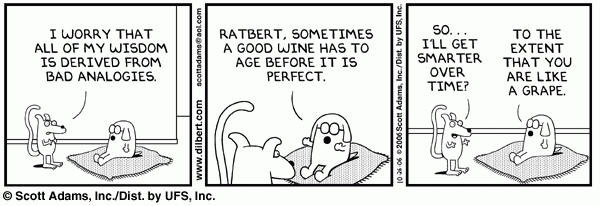
The Pitfalls of Analogies

These are priceless examples of creativity gone awry.  I don’t know who originally wrote these gems or compiled them; if you know, please tell me so that I can give credit where credit is due!

21 Analogies Used by High School Students in English Essays

  1. “When she tried to sing, it sounded like a walrus giving birth to farm equipment.”
  2. “Her eyes twinkled, like the moustache of a man with a cold.”
  3. “She was like a magnet: Attractive from the back, repulsive from the front.”
  4. “The ballerina rose gracefully en pointe and extended one long slender leg behind her, like at dog at a fire hydrant.”
  5. “She grew on him like she was a colony of E. Coli and he was a room temperature Canadian beef.”
  6. “She had him like a toenail stuck in a shag carpet.”
  7. “The lamp just sat there, like an inanimate object.”
  8. “Her face was a perfect oval, like a circle that had two sides gently compressed by a Thigh Master.”
  9. “Her eyes were like the stars, not because they twinkle, but because they were so far apart.”
  10. “His career was blowing up like a man with a broken metal detector walking through an active minefield.”
  11. “The sun was below the watery horizon, like a diabetic grandma easing into a warm salt bath.”
  12. “From the attic came an unearthly howl. The whole scene had an eerie, surreal quality, like when you’re on vacation in another city and Jeopardy comes at 7:00 p.m. instead of 7:30.”
  13. “It was as easy as taking candy from a diabetic man who no longer wishes to eat candy.”
  14. “She had a deep, throaty, genuine laugh, like that sound a dog makes before it throws up.”
  15. “Their love burned with the fiery intensity of a urinary tract infection.”
  16. “It’s basically an illusion and no different than if I were to imagine something else, like Batman riding a flying toaster.”
  17. “If it was any colder, it would be like being in a place that’s a little colder than it is here.”
  18. “Joy fills her heart like a silent but deadly fart fills a room with no windows.”
  19. “The bird flew gracefully into the air like a man stepping on a landmine in zero gravity.”
  20. “He felt confused. As confused as a homeless man on house arrest.”
  21. “The revelation that his marriage of 30 years had disintegrated because of his wife’s infidelity came as a rude shock, like a surcharge at a formerly surcharge-free ATM.”

dilbert-bad-analogies

4 Comments

Filed under Cartoon, Grammar, Humor, Lists, Nuts & Bolts, Writing Exercise, Writing Prompt

The Psychology of Colour

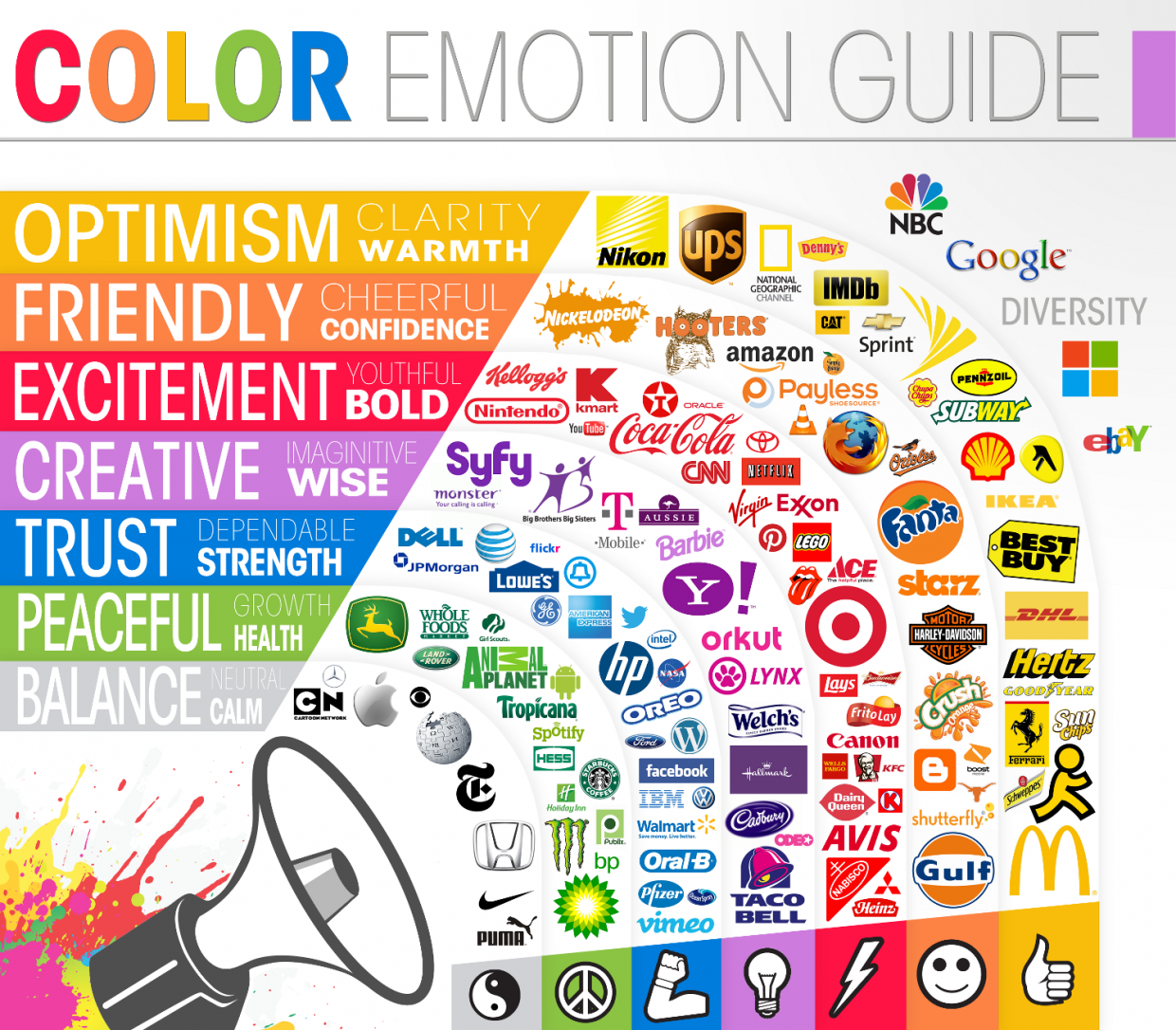
I was recently talking with someone, and the topic of the psychology of colours came up in connection with health care; it got me thinking about how it could be applied to practical applications, as well as writing fiction.   My particular practical application is crocheting hats to donate to the local cancer patient clinics, and I wanted to know which colours would be more appropriate.

In writing fiction, colours play an important part as well; they help set the scene:  Is it a dark and gloomy scene?  Don’t choose pink or pastels – unless you want to make it a creepy-gloomy scene.  The colour of the sky, the grass, the sand, living room walls, a person’s eyes – they all help set the stage, or paint the backdrop of your fictional character’s life, situations, or the overall tone of the book; it can also help establish your character’s personality:  Are they a compassionate, stable person?  Perhaps beige combined with a bit of pink.  Is your character blind, (figuratively or literally)?  Red is the easiest colour for a visually impaired person to see, so accent their home in red.  You get the idea!  Advertisers have been using the psychology of colours to manipulate consumers for decades; the more we understand the application of colour, the more we can see through the tactic and at the same time apply it to our writing.  Here are a few images to consider as you think into this topic and apply it to your own fictional characters.

color-guide Colour & Mood Psychology 2 Colour & Mood Psychology

Leave a comment

Filed under Images, Nuts & Bolts, Plot Thots & Profiles, Writing Exercise