Category Archives: History

The Jabberwocky and the Totemügerli

Unless you’ve been living under a rock, chances are you’ve heard of Alice in Wonderland; at the least your curiosity might have been piqued enough to read it after seeing The Matrix, or be mistaken in thinking that you don’t need to read the book if you saw Tim Burton’s film with Johnnie Depp.  The sequel to Lewis Carroll’s most famous work (mentioned above), called “Through the Looking-Glass, and What Alice Found There“, written in 1871, contains the famous nonsensical poem called the Jabberwocky, which I present here:

“Jabberwocky”

‘Twas brillig, and the slithy toves

Did gyre and gimble in the wabe;

All mimsy were the borogoves,

And the mome raths outgrabe.

“Beware the Jabberwock, my son!

The jaws that bite, the claws that catch!

Beware the Jubjub bird, and shun

The frumious Bandersnatch!”

He took his vorpal sword in hand:

Long time the manxome foe he sought—

So rested he by the Tumtum tree,

And stood awhile in thought.

And as in uffish thought he stood,

The Jabberwock, with eyes of flame,

Came whiffling through the tulgey wood,

And burbled as it came!

One, two! One, two! and through and through

The vorpal blade went snicker-snack!

He left it dead, and with its head

He went galumphing back.

“And hast thou slain the Jabberwock?

Come to my arms, my beamish boy!

O frabjous day! Callooh! Callay!”

He chortled in his joy.

‘Twas brillig, and the slithy toves

Did gyre and gimble in the wabe;

All mimsy were the borogoves,

And the mome raths outgrabe.

Many of the nonsensical words are what Lewis Carroll (aka Charles Lutwidge Dodgson) coined Jabberwockyas “portmanteau words” meaning the combination of both sound and meaning of two words into one; e.g. frumious being “fuming” and “furious”.  Some of the words have since made it into the English language, such as galumph or chortle, while some were words he revived, such as gyre and beamish.  And personally I think some of his words deserve wider use, such as brilling, slithy, snicker-snack and Bandersnatch!  Click on the photo to the right to hear the poem read.
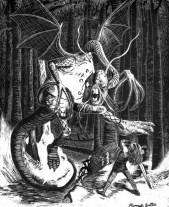
Now… “what is the Totemügerli,” I hear you ask?  It is the Swiss-German version – not a translation, but an original story by Franz Hohler, a Swiss cabaret performer; Bernese German, to be more precise.  Bern is the political capital of Switzerland, and historically has one of the richest, most colourful dialects of all the Swiss German dialects; I am fluent in the Zürich dialect, and can understand all the other Swiss-German dialects, including Walliserdïïtsch, which is the oldest of all Swiss dialects; and I can guarantee you that the Totemügerli story is 90% nonsense, and yet tells a clear tale!  For those of you interested in the text, here it is:

Ds Totemügerli

von Franz Hohler

Gäuit, wemer da grad eso schön binanger sitze, hani däicht, chönntech

vilicht es bärndütsches Gschichtli erzelle. Es isch zwar es bsungers

uganteligs Gschichtli, wo aber no gar nid eso lang im Mittlere

Schattegibeleggtäli passiert isch:

Der Schöppelimunggi u der Houderebäseler si einischt schpät am Abe,

wo scho der Schibützu durs Gochlimoos pfoderet het, über s Batzmättere

Heigisch im Erpfetli zueglüffe u hei nang na gschtigelet u gschigöggelet,

das me z Gotts Bäri hätt chönne meine, si sige nanger scheich.

«Na ei so schlöözige Blotzbänggu am Fläre, u i verminggle der s Bätzi,

dass d Oschterpföteler ghörsch zawanggle!»

«Drby wärsch froh, hättsch en einzige nuesige Schiggeler uf em Lugipfupf!»

U so isch das hin u härgange wie nes Färegschäderli amene Milchgröözi,

da seit plötzlech Houderebäseler zu Schöppelimunggi:

«Schtill! Was ziberlet dert näbem Tobelöhli z grachtige n uuf u aab?»

Schöppelimunggi het gschläfzet wie ne Gitzeler u hets du o gseh. Es

Totemügerli! U nid numen eis, nei, zwöi, drü, vier, füüf, es ganzes

Schoossinjong voll si da desumegschläberlet u hei zäng pinggerlet u

globofzgerlet u gschanghangizigerlifisionööggelet, das es eim richtig agschnäggelet het.

Schöppelimunggi u Houderebäseler hei nang nume zuegmutzet u hei ganz

hingerbyggelig wöllen abschöberle. Aber chuum hei si der Awang ytröölet,

gröözet es Totemügerli:

«Heee, dir zweee!»

U denen isch i d Chnöde glöötet wie bschüttigs Chrüzimääl dure Chätschäbertrog.

Düpfelig u gnütelig si si blybe schtah wie zwöi gripseti Mischtschwibeli,

u scho isch das Totemügerli was tschigerlisch was

pfigerlisch binene zueche gsi. Äs het se zersch es Rüngli chyblig u

gschiferlig aagnöttelet u het se de möögglige gfraget:

«Chöit dir is hälfe, ds Blindeli der Schtotzgrotzen ueche z graagge?»

Wo der Schöppelimunggi das Wort «Blindeli» ghört het, het em fasch

wölle ds Härzgätterli zum Hosegschingg uspföderle,

aber der Houderebäseler het em zueggaschplet:

«Du weisch doch, das men imene Totemügerli nid darf nei säge!»

U du si si halt mitgschnarpflet.

«Sooo, dir zweee!» het ds Totemügerli gseit, wo si zum Blindeli cho si,

u die angere Totemügerli si ganz rüeiig daaggalzlet u hei numen ugschynig ychegschwärzelet.

Da hei die beide gwüsst, was es Scheieli Gschlychets ds Gloubige

choschtet u hei das Blindeli aagroupet, der eint am schörpfu, der anger a de Gängertalpli.

Uuuh, isch das e botterepfloorigi Schtrüpfete gsi!

Die zwee hei gschwouderet u ghetzpacheret, das si z näbis meh gwüsst hei,

wo se der Gürchu zwurglet.

Daa, z eis Dapf, wo si scho halber der Schtotzgrotzen

uecheghaschpaaperet si, faht sech das Blindeli afah ziirgge u bäärgglet mit

schychem Schtimmli:

«Ooh, wie buuchet mi der Glutz!»

Jetz hets aber im Schöppelimunggi böös im Schyssächerli gguugget.

Är het das Blindeli la glootsche u isch der Schtotzgrotz abdotzeret,

wie wenn em der Hurligwaagg mit em Flarzyse der Schtirps vermöcklet hätt.

«Häb dure, Münggu!» het em der Houderebäseler na naagräätschet;

u de het er nüt meh gwüsst.

Am angere Morge het ne ds Schtötzgrötzeler Eisi gfunge, chäfu u tunggig

wien en Öiu, u es isch meh weder e Monet gange,

bis er wider het chönne s Gräppli im Hotschmägeli bleike.

Totemügerli u Blindeli het er keis meh gseh sis Läbe lang, aber o der

Schöppelimunggi isch vo da a verschwunde gsi.

S git Lüt, wo säge, dass sider am Schtotzgrotzen es Totemügerli meh desumeschirggelet.

If you’d like to hear it read out by Franz Hohler himself, in a cabaret show recorded during the ’80s, just click on the image below.

Totemürgeli, by Willy Vogelsang

6 Comments

Filed under Articles, History, Quotes, Videos

A Postcard from Lugano II

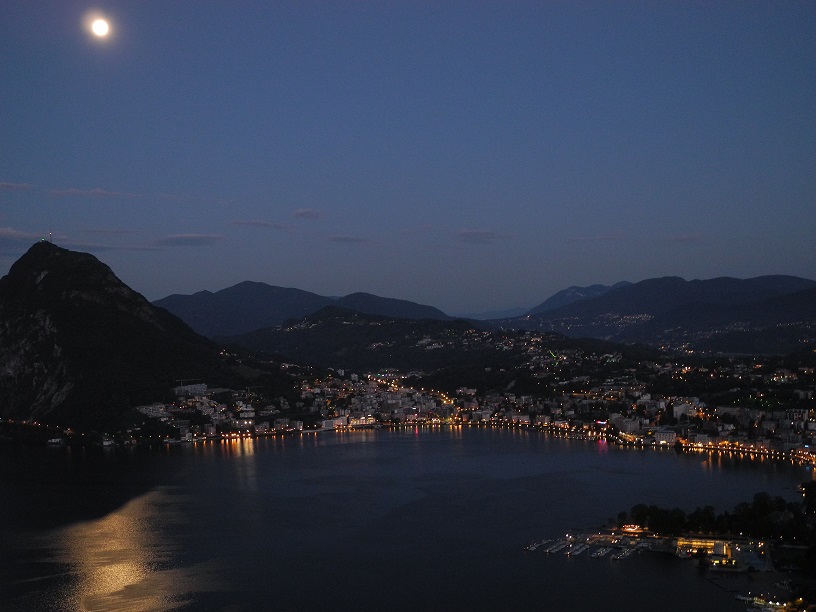
Lago di Lugano, Switzerland, with San Salvtore beneath the moon.

Lago di Lugano, Switzerland, with San Salvtore beneath the moon.

I’ve been absent from posting for a few weeks now, as I was away on holiday and I left most of my writing at home.  Most.  Last summer I wrote you the first Postcard from Lugano; and I will say that not much has changed.  It’s still beautiful, with lazy hot days with a cool breeze coming off the lake, and warm evenings with glistening stars  overhead and a glittering city below.  This first photo was taken at about 4 in the morning (I have no sleeping rhythm, which is handy when such scenes present themselves).


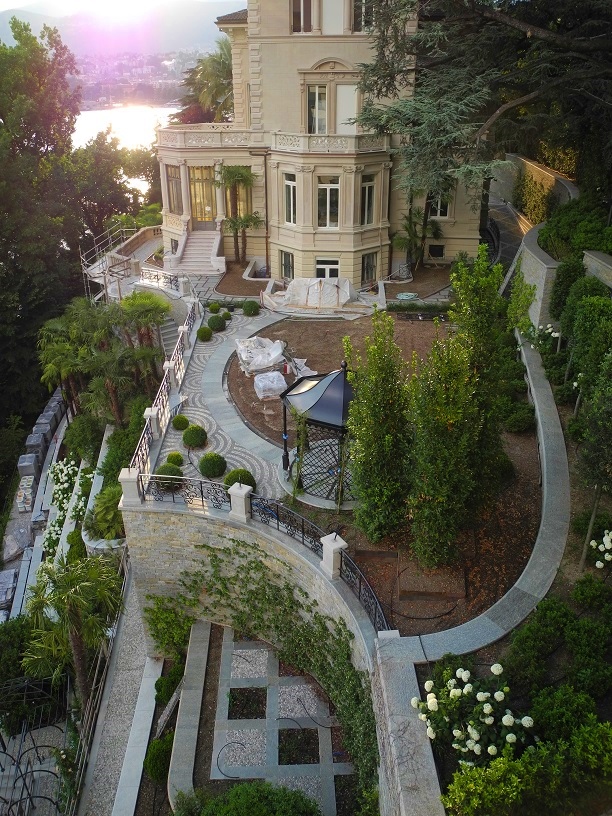
Villa Helios:  The back of the mansion with the terraced walk leading toward the lake.  Under renovation.

Villa Helios: The back of the mansion with the terraced walk leading toward the lake. Under renovation.

But as I told you, I left most of my writing at home – not all.  When in Lugano, I’ve been working on a novel the past few years; it started out as a fun idea to explore, and gradually developed into a  more serious endeavor.  I thought I’d share it with you as it may inspire you to take on such a writing project of your own on holidays (it may not classify as travel writing per se, though in some ways [like my postcards] it may at times take on those characteristics):  Our family flat overlooks a sprawling mansion that we have watched decay from neglect for over 20 years; it was most likely trapped in an inheritance dispute.  It had been boarded up, its windows bricked in, its magnificent garden going wild until it was an impassable jumble of green.  About three or four years ago suddenly a crane was set up, and renovations began!  Of course it sparked my writer’s brain – who had inherited it, or purchased it?  What was its history?  From the looks of it I will have several more years to ponder its end as the renovations continue; but by now the gardens and the terraced walls have been brought to life, a new drive laid with mosaic stones, and the house itself has been set free of its bricked-over, blinded windows, the roof replaced, and the beautiful stones (I would venture to guess Bath Freestone) sand-blasted and cleaned to their pristine beauty.

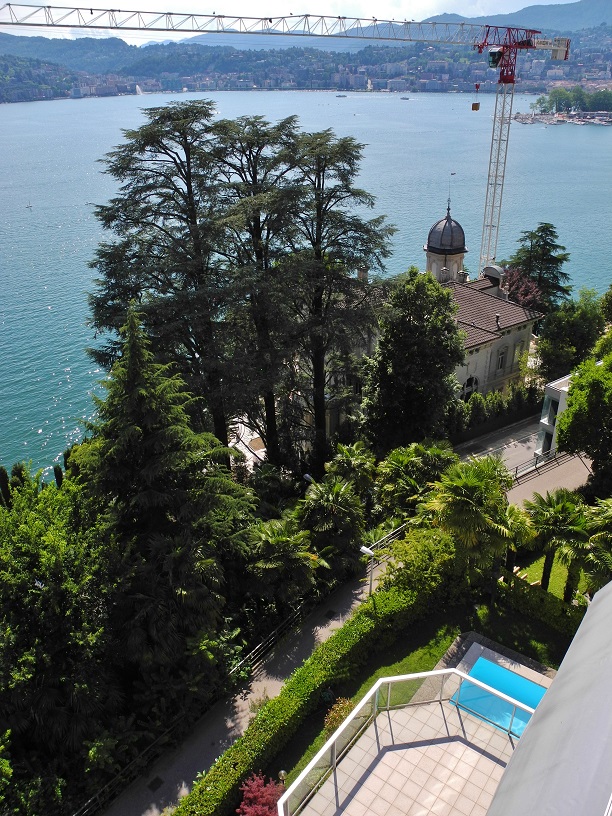
Villa Helios, as seen from our balcony.

Villa Helios, as seen from our balcony.

Called Villa Helios, it was designed by architect Otto Maraini, who was born in Lugano on 8 November 1863 and died there 16 January 1944. Villa Helios in Castagnola was built in 1901-1902, including a series of walls and terraces that formed part of the lake shore.  I came across a few historical photos at arteeidee – thank you to them for sharing the old magazine photos (“The Modern Building” monthly magazine of architecture and construction practice, August 1904)!  Check out that blog post for the older photos (click on them to enlarge); The photos I’ve added here are current shots.  I’ll just say two things about the crane:  Note the box hanging from it, near the vertical shaft – that is the tool crate, hung up at the end of work days to deter construction site thieves.  Also, though the crane interrupts our view of Lugano at times (it shifts freely with the wind when not in use, so sometimes we barely see it), it gives us a brilliant view of birds that take over when the workers are gone – there’s a constant conversation between the seagulls and the Hooded crows.  I’d love to do more research on this building, but most of the information is in Italian, which I can fight my way through only passably, but as I said I still have plenty of time.  That’s the beauty of holidays.

To you writers out there:  Find an interesting old building in your own area, research into its history, and create a story with the building as one of the characters and not merely a location.

Leave a comment

Filed under Articles, History

War Zones Then and Now

The UK’s Huff Post ran a series of impressive photos superimposing the “now” scenes on the site of photographs from 1944 in the war zones of Europe; the juxtaposition of the two together give pause for thought:  How much we take for granted now; how much was sacrificed then; the freedom we across Europe and the Americas enjoy now was bought at a great price.  Never forget.  Click on the photo below to see the entire series of photographs, and the photos of veteran’s ceremonies in France.  If you’d like to learn about a few famous deceptions in World War 2, click here.

DDAY/


Leave a comment

Filed under History

Airchaeology – If you Speak Scots

The internet is amazing.  You can find everything useful, useless, educational and brain-cell poisoning, all just a click away.  Just for the fun of it, when you really want to find out something about another culture’s mentality and way of looking at things, try Wikipedia in another language!  Click on the photo below to try it out in modern Scots.  And if you’re having trouble reading it, trying reading it aloud.

archaeology_header_img

Leave a comment

Filed under History, Nuts & Bolts, Research

On the Art of Conversation

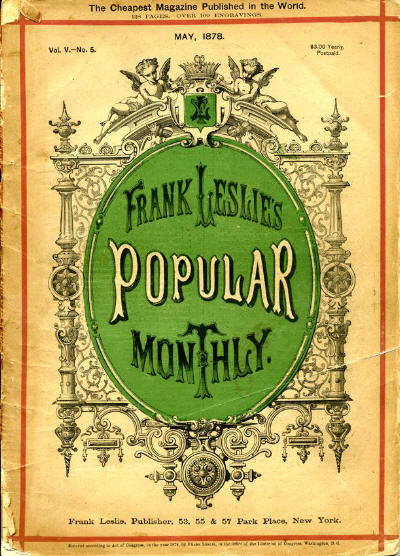
“Conversation is said to be a lost art… good talk presupposes leisure, both for preparation and enjoyment.  The age of leisure is dead, and the art of conversation is dying.” – Frank Leslie’s Popular Monthly, Volume 29, 1890

Frank Leslies Popular Monthly - 1878

Leave a comment

March 29, 2014 · 9:49 PM

Fools & Madmen

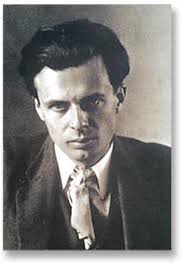
Aldous Leonard Huxley“The vast majority of human beings dislike and even dread all notions with which they are not familiar.  Hence it comes about, that at their first appearance, innovators have always been divided as fools and madmen. ”

Aldous Leonard Huxley, 1894-1963, British writer

Leave a comment

Filed under History, Quotes

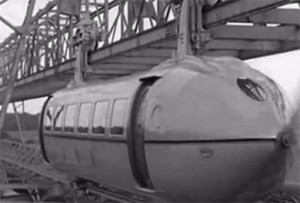
The Future in the Past

I love keeping up with the latest technologies, scientific developments, astronomical discoveries and the like; it informs my novel-writing and plot development.  But what did our present look like in the past (if one could say that)?  What did past generations look forward and envision for our time?  How much of it was humorously inaccurate, and how much of it could be inspiration still?  For a glimpse into the minds of the past, click on the photo below.

Future Guess, 1920s

Leave a comment

Filed under History, Research, Videos

The Etymology of February and Wednesday


February & Wednesday

We can blame both spellings on the Romans!  February is fairly clear:  Februa is thought to be a Sabine word (maybe we could blame them for italics, too), meaning “purifications”; Februarius mensis was the month of purification.  Before 450 BC this was actually the last month in the ancient calendar and referred to the feast of purification celebrated on the ides of that month throughout the Roman Empire.  Ides was the term used for approximately mid-month, being the 13th or 15th, depending on whether that particular month had 29 or 31 days.  Interestingly, in English it replaced the Old English solmonað (“mud month”… very appropriate, that) sometime in the 12th century when they began using the Old French term Feverier.

Wednesday accumulated slightly more pedigree before landing in our agendas:  It started off as the “day of (the god) Mercury,” the Latin dies Mercurii.  It was confiscated by the Scandinavians for their own religious version for Odin, Oðinsdagr (Old Norse) or Onsdag in Swedish.  This came with them over the Channel and was adopted by their English counterparts as wodnesdæg, or “Woden’s day.”  Old Frisian came fairly close to modern English with Wonsdei (I’ve probably seen that spelling on Facebook from people who can’t type with their i-phones properly…).  By the mid- 400 AD period, the Germanic Goths had been converted from Paganism to Christianity by Greek missionaries, and their language began to reflect the changes:  The astrological or religious terms gave way to ecclesiastical (or at least neutral) ones.  This difference is reflected in words like Mittwoch (German for Wednesday, meaning literally “mid-week”), sreda (Russian), or środa (Polish), both meaning literally “middle.”

So there you have it:  Blame it on the Romans, or the Vikings; but whoever you blame, just remember to spell them in correct modern English.

Leave a comment

Filed under History, Nuts & Bolts

What We Eat

Photographer Peter Menzel has gathered an amazing visual documentation on eating habits around the world; each photo represents the food eaten in a week by the people in the photo (which implies that it is the number of people who live in the same household, even it that “house” is a cardboard box or a tin shack…).  It’s eye-opening in many ways:  The amount of junk food in any one of the American households outweighs nearly the entire weekly diet of a family in Chad; some cultures are starch-oriented (pastas, breads, potatoes), and others are meat-oriented.  Click on the photo below to see a video compilation, with the countries labeled, of who eats what.

What do you eat in a week?  How much is natural, how much is man-made?  How much water and natural drinks (teas, fruit juices) vs. artificial drinks (sodas, syrups) do you drink in a week?  Just curious…!

A Week of Food - Ecuador

2 Comments

Filed under Articles, History

Families of Complete Strangers

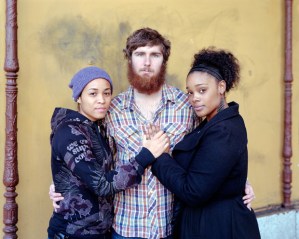
Photographer Richard Renaldi has a unique way of posing humanity, and something unique happens along the way:  Complete strangers discover that feeling of family, even if only for a moment.  They’ll never look at strangers the same way again.  Click on the image below to see for yourself.

Complete Strangers - Richard Renaldi

2 Comments

Filed under Articles, History