Category Archives: Images

Truth into Fiction

Sometimes truth is more fascinating, more adventurous than fiction.  Sometimes a news article becomes a spark for a fictional story.  One of the greatest films of all time, Titanic, took its cue from real life; many books and films are based on real life stories, mysteries, narrow escapes, historical events and experiences.  The best kinds of story sparks are those things which capture our imagination; not only best for the reader, but also for the writer – for if you are not excited by and captivated by what you’re writing about, researching and investigating, how do you expect a reader to be excited or captivated by it?  Personally, history has always fascinated me; I wonder, “What would it be like to walk among them?” or “What would it be like to discover these events as a modern archaeologist?”  I explored such a theme in my novels, “The Cardinal“.

Here are a few historical sparks that might capture your imagination; just click on  each image to link to the article:

Artifacts from the Battle of the Egadi Islands, ca. 240 BC

Battle of the Egadi Islands, 241 BC

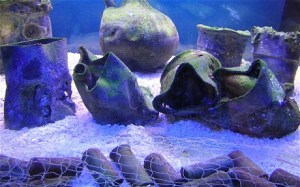
The City of Heracleion, Plunged into the Sea

Heracleion Artifacts

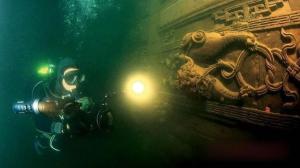
China’s Atlantis:  Shi Cheng

China's Atlantis of the East, Shi Cheng

The Skulls of  Sac Uayum

The Elongated Skulls of the Yucatan underwater cave, Sac Uayum

An Ancient Roman Shipwreck Reveals Medicinal Remedies

Roman Shipwreck with Medicinal Supplies

2 Comments

Filed under History, Images, Lists, Nuts & Bolts, Plot Thots & Profiles, Research, Writing Exercise

The Psychology of Colour

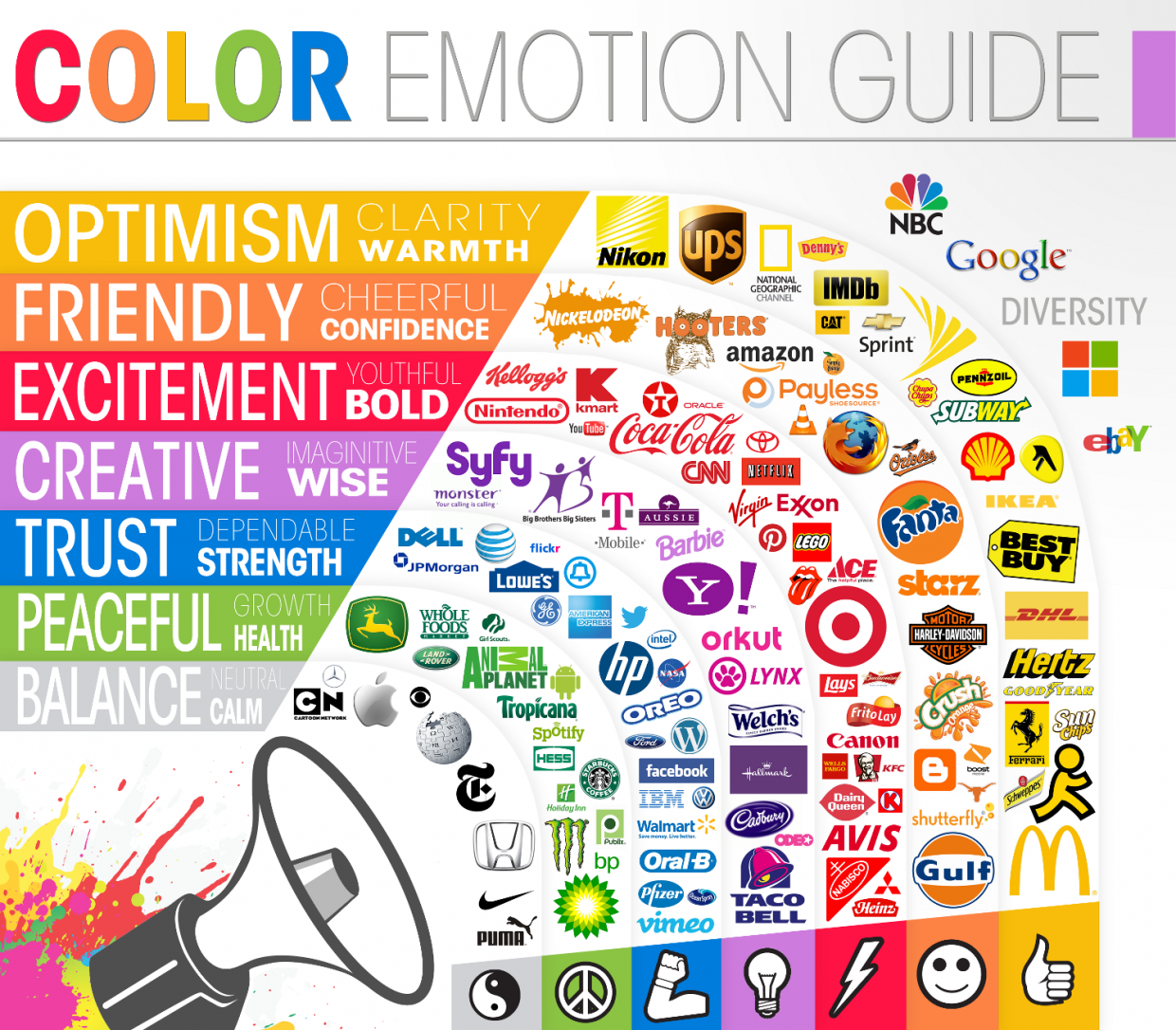
I was recently talking with someone, and the topic of the psychology of colours came up in connection with health care; it got me thinking about how it could be applied to practical applications, as well as writing fiction.   My particular practical application is crocheting hats to donate to the local cancer patient clinics, and I wanted to know which colours would be more appropriate.

In writing fiction, colours play an important part as well; they help set the scene:  Is it a dark and gloomy scene?  Don’t choose pink or pastels – unless you want to make it a creepy-gloomy scene.  The colour of the sky, the grass, the sand, living room walls, a person’s eyes – they all help set the stage, or paint the backdrop of your fictional character’s life, situations, or the overall tone of the book; it can also help establish your character’s personality:  Are they a compassionate, stable person?  Perhaps beige combined with a bit of pink.  Is your character blind, (figuratively or literally)?  Red is the easiest colour for a visually impaired person to see, so accent their home in red.  You get the idea!  Advertisers have been using the psychology of colours to manipulate consumers for decades; the more we understand the application of colour, the more we can see through the tactic and at the same time apply it to our writing.  Here are a few images to consider as you think into this topic and apply it to your own fictional characters.

color-guide Colour & Mood Psychology 2 Colour & Mood Psychology

Leave a comment

Filed under Images, Nuts & Bolts, Plot Thots & Profiles, Writing Exercise

Bottoms Up!

Worst Day EverI came across this poem online, but without crediting the author; so I went in search, found, and give them the credit they deserve for a clever piece!

Worst Day Ever?

By Chanie Gorkin

Today was the absolute worst day ever

And don’t try to convince me that

There’s something good in every day

Because, when you take a closer look,

This world is a pretty evil place.

Even if

Some goodness does shine through once in a while

Satisfaction and happiness don’t last.

And it’s not true that

It’s all in the mind and heart

Because

True happiness can be obtained

Only if one’s surroundings are good.

It’s not true that good exists

I’m sure you can agree that

The reality

Creates

My attitude

It’s all beyond my control.

And you’ll never in a million years hear me say that

Today was a good day.

Now read it from bottom to top, the other way,
And see what I really feel about my day.

4 Comments

Filed under Humor, Images, Poetry

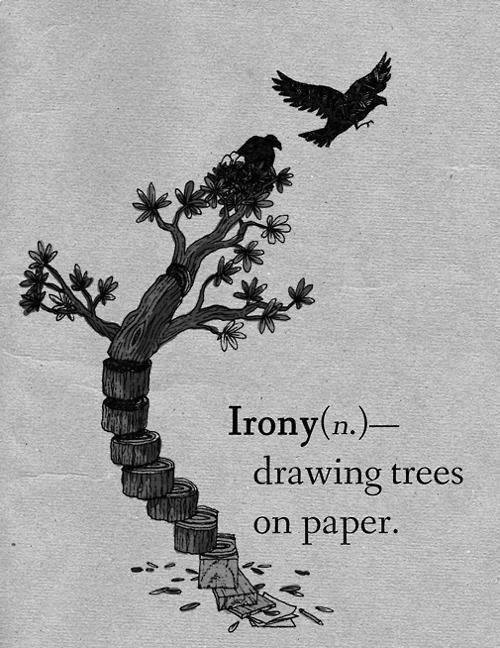
Oh, the Irony

paper

2 Comments

August 8, 2015 · 10:00 AM

To-Too-Two-Tutu

Funny

2 Comments

Filed under Cartoon, Humor, Images

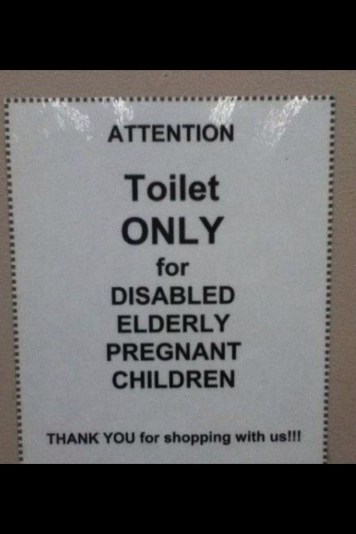
Commas Matter

When was the last time you saw one?…

Commas Matter

Leave a comment

Filed under Humor, Images, Signs

Details, details

commas 2

Leave a comment

March 21, 2015 · 10:08 AM

Writing Tip: “Sense” Your Scenes

I try to read a book a week; it’s usually on a Saturday, when I have time to sit down and read a good chunk at a time.  This past weekend I read a book which prompted thoughts around this concept of “sensing” a scene, and reading it aloud to hear any howlers that might have crept into the writing.  The author of that book obviously did neither, though her editor might have told her to beef up descriptives – so they were clumped all together, staggering me as a reader to a halt while I tried to figure out the context of the pages of descriptives before remembering what the characters were doing there in the first place, and often the dialogue sounded very stilted (e.g. using “vocalized” instead of “shouted” – the latter of the two would have fit into the character’s time and place far better) – a good reading-aloud editing session might have done wonders for the novel.

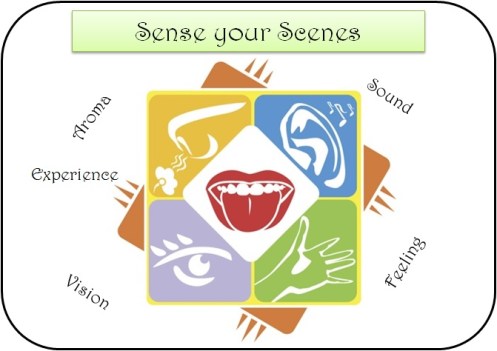
SensesThis image is one I have printed out on a card and hung near my desk when writing; it reminds me to apply all of my senses to a scene, to enrich the imagery and draw the reader in.  Describe the sights, smells, sounds, feelings and taste of a scene; make it a sensory experience and it will be far more memorable; this is done through sentence structure and the pacing of those elements, but sometimes also through “camera angle” – looking at the scene from a particular perspective.  How does your character feel in the moment?  What are their perceptions?  Does a smell remind them of something or someone?  Here are a few tips to achieving these goals:

  1. While adjectives are useful for adding colour or depth to a sentence, think of them as pepper; too much can spoil the scene.  If using more than one to describe a noun, familiarize yourself with the rule of order for adjectives.
  2. Use action verbs rather than passive/being verbs with adverbs.  E.g. “She stumbled down the hill” rather than “She went unsteadily down the hill”.
  3. Most importantly:  Read your sentences and scenes aloud!  I cannot stress this enough – if it sounds choppy or stilted to your ears, or doesn’t sound like something your character would say or do, then change it!

Writing is a dynamic process, and being a writer means constantly striving to improve oneself – building vocabulary and learning how to use words effectively, building your knowledge through research, studying, and reading, reading, reading!  Keep on writing!

2 Comments

Filed under Articles, Images, Nuts & Bolts, Plot Thots & Profiles, Writing Exercise

Never Give Up

I love this image; I used to have a tea mug with a similar image to the one below, and it made me smile every time I used it.  There are times in our lives when we might feel discouraged, or overwhelmed at what we have to do or to go through.  If you have a goal or a dream, just keep putting one foot in front of the other – do something each day, no matter how small or insignificant that action may seem, toward reaching that goal.  Eventually you’ll get there!never-give-up

“Don’t give up whatever you’re trying to do — especially if you’re convinced that you’re botching it up.  Giving up reinforces a sense of incompetence; going on gives you a commitment to success.”

George Weinberg, English writer, activist

1 Comment

Filed under Articles, Cartoon, Images

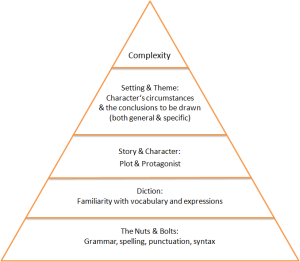
Novel Writing Pyramid

Novel Pyramid

When writing or drafting a new story, sometimes it’s easy to get lost in the forest due to the trees – in the myriad of ideas that flash up in a brainstorm.  The pyramid above helps remind me of the emphasis each area needs in the overall structure:

If a story is too complex, you’ll lose or confuse your readers; but if it’s too simple, it becomes predictable and therefore no challenge to the mind of the adventurer who’s picked up your book to get lost in another world.  Most of the best stories are, at their heart, quite simple – “boy meets girl”, or “person achieves goal”.

If you don’t know what your settings and themes are, how can you effectively work toward the final outcome?  If you don’t know who your character is, and what your basic plot (goal and how it’s achieved) is, how can you guide the reader through dialogue or prose toward the desired conclusion?  Diction is important because it is central to creating the voice of each character, and sticking to genre-specific vocabulary and expressions (i.e. no proverbial airplanes through the scenes of a historical novel).  As Mark Twain once wrote,

“The difference between the right word and the almost-right word is the difference between lightning and a lightning bug.”

And if you have the top four slices of the pyramid in place, but don’t have proper foundations – in other words, know your grammar, spelling, punctuation and syntax (sentence structures, tense usage, etc.) then no matter how brilliant your plot might be, or your character development, if readers can’t get past your bad diction and grammar, you’ve lost them as present and future readers!

I’d like to encourage you to know your weaknesses, and develop them into strengths!  If grammar or spelling is a weakness, work on it – invest time into reviewing the rules – Wikipedia is an excellent source for articles on how to use punctuation, etc.  Buy a good grammar book, or even a grammar practice book with an answer key at the back (The “English Grammar in Use” series is one I used for years with EFLA students).  If plot or character development is a weakness, then make a list of questions for each, and take the time to think about and answer them.

Good writing is about quality; it’s about solid foundations and constant development, the honing of your skills; it’s about research, thinking outside the box, and being able to convey in words the images born in your mind.  Just as sharpening a pencil makes it easier to write, so does sharpening your mind and skills.

1 Comment

Filed under Articles, Images, Nuts & Bolts, Plot Thots & Profiles, Research, Writing Exercise