
“If we had a keen vision of all that is ordinary in human life, it would be like hearing the grass grow or the squirrel’s heart beat, and we should die of that roar which is the other side of silence. “
George Eliot (Mary Ann Evans), Poet

“If we had a keen vision of all that is ordinary in human life, it would be like hearing the grass grow or the squirrel’s heart beat, and we should die of that roar which is the other side of silence. “
George Eliot (Mary Ann Evans), Poet
Filed under Quotes
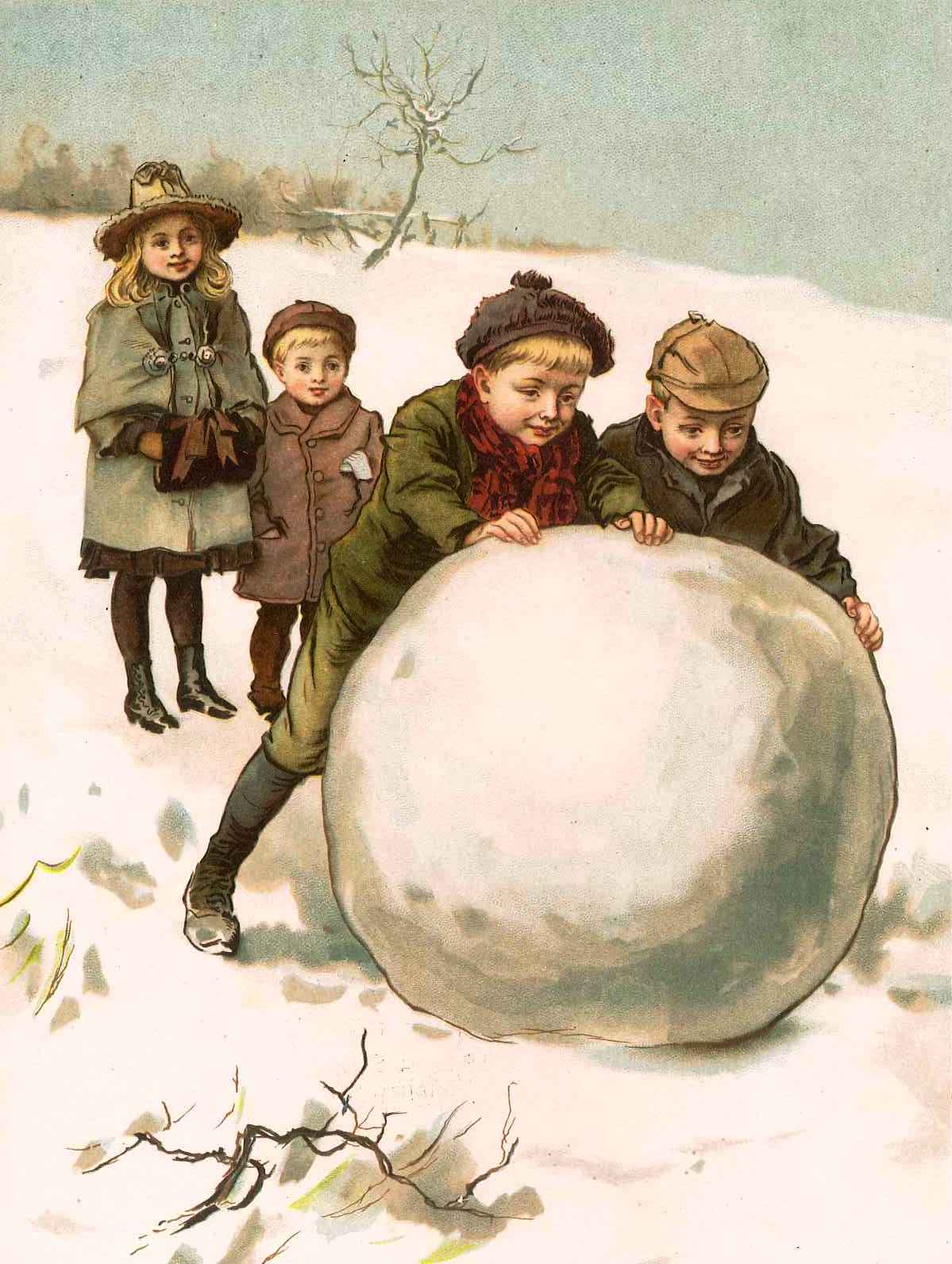
“Christmas gift suggestions: To your enemy, forgiveness. To an opponent, tolerance. To a friend, your heart. To a customer, service. To all, charity. To every child, a good example. To yourself, respect.”
— Oren Arnold
May these be gifts we give all year round.
Filed under Quotes
The following sentences are taken verbatim from comments on unwitting websites; I’ve collected them as I’ve come across them since Autumn of 2013. Sometimes I couldn’t help myself and put my comments in parentheses; other comments there are simply reference to the context. I have dozens more, but certain things in life are better in small doses… 
Filed under Humor, Lists, Nuts & Bolts, Quotes
“Fairy tales do not tell children that dragons exist. Fairy tales tell children that dragons can be defeated.”
― G.K. Chesterton

Filed under Quotes
 “If you invent two or three people and turn them loose in your manuscript, something is bound to happen to them – you can’t help it; and then it will take you the rest of the book to get them out of the natural consequences of that occurrence, and so first thing you know, there’s your book all finished up and never cost you an idea.” Mark Twain
Filed under Quotes
Unless you’ve been living under a rock, chances are you’ve heard of Alice in Wonderland; at the least your curiosity might have been piqued enough to read it after seeing The Matrix, or be mistaken in thinking that you don’t need to read the book if you saw Tim Burton’s film with Johnnie Depp. The sequel to Lewis Carroll’s most famous work (mentioned above), called “Through the Looking-Glass, and What Alice Found There“, written in 1871, contains the famous nonsensical poem called the Jabberwocky, which I present here:
‘Twas brillig, and the slithy toves
Did gyre and gimble in the wabe;
All mimsy were the borogoves,
And the mome raths outgrabe.
“Beware the Jabberwock, my son!
The jaws that bite, the claws that catch!
Beware the Jubjub bird, and shun
The frumious Bandersnatch!”
He took his vorpal sword in hand:
Long time the manxome foe he sought—
So rested he by the Tumtum tree,
And stood awhile in thought.
And as in uffish thought he stood,
The Jabberwock, with eyes of flame,
Came whiffling through the tulgey wood,
And burbled as it came!
One, two! One, two! and through and through
The vorpal blade went snicker-snack!
He left it dead, and with its head
He went galumphing back.
“And hast thou slain the Jabberwock?
Come to my arms, my beamish boy!
O frabjous day! Callooh! Callay!”
He chortled in his joy.
‘Twas brillig, and the slithy toves
Did gyre and gimble in the wabe;
All mimsy were the borogoves,
And the mome raths outgrabe.
Many of the nonsensical words are what Lewis Carroll (aka Charles Lutwidge Dodgson) coined 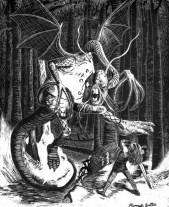 as “portmanteau words” meaning the combination of both sound and meaning of two words into one; e.g. frumious being “fuming” and “furious”. Some of the words have since made it into the English language, such as galumph or chortle, while some were words he revived, such as gyre and beamish. And personally I think some of his words deserve wider use, such as brilling, slithy, snicker-snack and Bandersnatch! Click on the photo to the right to hear the poem read.
Now… “what is the Totemügerli,” I hear you ask? It is the Swiss-German version – not a translation, but an original story by Franz Hohler, a Swiss cabaret performer; Bernese German, to be more precise. Bern is the political capital of Switzerland, and historically has one of the richest, most colourful dialects of all the Swiss German dialects; I am fluent in the Zürich dialect, and can understand all the other Swiss-German dialects, including Walliserdïïtsch, which is the oldest of all Swiss dialects; and I can guarantee you that the Totemügerli story is 90% nonsense, and yet tells a clear tale! For those of you interested in the text, here it is:
von Franz Hohler
Gäuit, wemer da grad eso schön binanger sitze, hani däicht, chönntech
vilicht es bärndütsches Gschichtli erzelle. Es isch zwar es bsungers
uganteligs Gschichtli, wo aber no gar nid eso lang im Mittlere
Schattegibeleggtäli passiert isch:
Der Schöppelimunggi u der Houderebäseler si einischt schpät am Abe,
wo scho der Schibützu durs Gochlimoos pfoderet het, über s Batzmättere
Heigisch im Erpfetli zueglüffe u hei nang na gschtigelet u gschigöggelet,
das me z Gotts Bäri hätt chönne meine, si sige nanger scheich.
«Na ei so schlöözige Blotzbänggu am Fläre, u i verminggle der s Bätzi,
dass d Oschterpföteler ghörsch zawanggle!»
«Drby wärsch froh, hättsch en einzige nuesige Schiggeler uf em Lugipfupf!»
U so isch das hin u härgange wie nes Färegschäderli amene Milchgröözi,
da seit plötzlech Houderebäseler zu Schöppelimunggi:
«Schtill! Was ziberlet dert näbem Tobelöhli z grachtige n uuf u aab?»
Schöppelimunggi het gschläfzet wie ne Gitzeler u hets du o gseh. Es
Totemügerli! U nid numen eis, nei, zwöi, drü, vier, füüf, es ganzes
Schoossinjong voll si da desumegschläberlet u hei zäng pinggerlet u
globofzgerlet u gschanghangizigerlifisionööggelet, das es eim richtig agschnäggelet het.
Schöppelimunggi u Houderebäseler hei nang nume zuegmutzet u hei ganz
hingerbyggelig wöllen abschöberle. Aber chuum hei si der Awang ytröölet,
gröözet es Totemügerli:
«Heee, dir zweee!»
U denen isch i d Chnöde glöötet wie bschüttigs Chrüzimääl dure Chätschäbertrog.
Düpfelig u gnütelig si si blybe schtah wie zwöi gripseti Mischtschwibeli,
u scho isch das Totemügerli was tschigerlisch was
pfigerlisch binene zueche gsi. Äs het se zersch es Rüngli chyblig u
gschiferlig aagnöttelet u het se de möögglige gfraget:
«Chöit dir is hälfe, ds Blindeli der Schtotzgrotzen ueche z graagge?»
Wo der Schöppelimunggi das Wort «Blindeli» ghört het, het em fasch
wölle ds Härzgätterli zum Hosegschingg uspföderle,
aber der Houderebäseler het em zueggaschplet:
«Du weisch doch, das men imene Totemügerli nid darf nei säge!»
U du si si halt mitgschnarpflet.
«Sooo, dir zweee!» het ds Totemügerli gseit, wo si zum Blindeli cho si,
u die angere Totemügerli si ganz rüeiig daaggalzlet u hei numen ugschynig ychegschwärzelet.
Da hei die beide gwüsst, was es Scheieli Gschlychets ds Gloubige
choschtet u hei das Blindeli aagroupet, der eint am schörpfu, der anger a de Gängertalpli.
Uuuh, isch das e botterepfloorigi Schtrüpfete gsi!
Die zwee hei gschwouderet u ghetzpacheret, das si z näbis meh gwüsst hei,
wo se der Gürchu zwurglet.
Daa, z eis Dapf, wo si scho halber der Schtotzgrotzen
uecheghaschpaaperet si, faht sech das Blindeli afah ziirgge u bäärgglet mit
schychem Schtimmli:
«Ooh, wie buuchet mi der Glutz!»
Jetz hets aber im Schöppelimunggi böös im Schyssächerli gguugget.
Är het das Blindeli la glootsche u isch der Schtotzgrotz abdotzeret,
wie wenn em der Hurligwaagg mit em Flarzyse der Schtirps vermöcklet hätt.
«Häb dure, Münggu!» het em der Houderebäseler na naagräätschet;
u de het er nüt meh gwüsst.
Am angere Morge het ne ds Schtötzgrötzeler Eisi gfunge, chäfu u tunggig
wien en Öiu, u es isch meh weder e Monet gange,
bis er wider het chönne s Gräppli im Hotschmägeli bleike.
Totemügerli u Blindeli het er keis meh gseh sis Läbe lang, aber o der
Schöppelimunggi isch vo da a verschwunde gsi.
S git Lüt, wo säge, dass sider am Schtotzgrotzen es Totemügerli meh desumeschirggelet.
If you’d like to hear it read out by Franz Hohler himself, in a cabaret show recorded during the ’80s, just click on the image below.

 The following poem has been floating around for years; it’s so popular because it’s a great encapsulated example of the weirdness of English as a language! It’s also a great exercise in stretching your vocabulary, being more aware of how to say words that are often only seen written and never heard pronounced. And if you come across a word you don’t know, or could swear it’s pronounced differently than the rhyme of the poem indicates, I challenge you to look it up (Wiktionary is an example of a good source which shows how various dialects of English pronounce words if there is more than one option); and if you feel completely overwhelmed, click on the cartoon above to watch someone else chew their way through it!
Dearest creature in creation,
Study English pronunciation.
I will teach you in my verse
Sounds like corpse, corps, horse, and worse.
I will keep you, Suzy, busy,
Make your head with heat grow dizzy.
Tear in eye, your dress will tear.
So shall I! Oh hear my prayer.
Just compare heart, beard, and heard,
Dies and diet, lord and word,
Sword and sward, retain and Britain.
(Mind the latter, how it’s written.)
Now I surely will not plague you
With such words as plaque and ague.
But be careful how you speak:
Say break and steak, but bleak and streak;
Cloven, oven, how and low,
Script, receipt, show, poem, and toe.
Hear me say, devoid of trickery,
Daughter, laughter, and Terpsichore,
Typhoid, measles, topsails, aisles,
Exiles, similes, and reviles;
Scholar, vicar, and cigar,
Solar, mica, war and far;
One, anemone, Balmoral,
Kitchen, lichen, laundry, laurel;
Gertrude, German, wind and mind,
Scene, Melpomene, mankind.
Billet does not rhyme with ballet,
Bouquet, wallet, mallet, chalet.
Blood and flood are not like food,
Nor is mould like should and would.
Viscous, viscount, load and broad,
Toward, to forward, to reward.
And your pronunciation’s OK
When you correctly say croquet,
Rounded, wounded, grieve and sieve,
Friend and fiend, alive and live.
Ivy, privy, famous; clamour
And enamour rhymes with hammer.
River, rival, tomb, bomb, comb,
Doll and roll and some and home.
Stranger does not rhyme with anger,
Neither does devour with clangour.
Souls but foul, haunt but aunt,
Font, front, wont, want, grand, and grant,
Shoes, goes, does. Now first say finger,
And then singer, ginger, linger,
Real, zeal, mauve, gauze, gouge and gauge,
Marriage, foliage, mirage, and age.
Query does not rhyme with very,
Nor does fury sound like bury.
Dost, lost, post and doth, cloth, loth.
Job, nob, bosom, transom, oath.
Though the differences seem little,
We say actual but victual.
Refer does not rhyme with deafer.
Foeffer does, and zephyr, heifer.
Mint, pint, senate and sedate;
Dull, bull, and George ate late.
Scenic, Arabic, Pacific,
Science, conscience, scientific.
Liberty, library, heave and heaven,
Rachel, ache, moustache, eleven.
We say hallowed, but allowed,
People, leopard, towed, but vowed.
Mark the differences, moreover,
Between mover, cover, clover;
Leeches, breeches, wise, precise,
Chalice, but police and lice;
Camel, constable, unstable,
Principle, disciple, label.
Petal, panel, and canal,
Wait, surprise, plait, promise, pal.
Worm and storm, chaise, chaos, chair,
Senator, spectator, mayor.
Tour, but our and succour, four.
Gas, alas, and Arkansas.
Sea, idea, Korea, area,
Psalm, Maria, but malaria.
Youth, south, southern, cleanse and clean.
Doctrine, turpentine, marine.
Compare alien with Italian,
Dandelion and battalion.
Sally with ally, yea, ye,
Eye, I, ay, aye, whey, and key.
Say aver, but ever, fever,
Neither, leisure, skein, deceiver.
Heron, granary, canary.
Crevice and device and aerie.
Face, but preface, not efface.
Phlegm, phlegmatic, ass, glass, bass.
Large, but target, gin, give, verging,
Ought, out, joust and scour, scourging.
Ear, but earn and wear and tear
Do not rhyme with here but ere.
Seven is right, but so is even,
Hyphen, roughen, nephew Stephen,
Monkey, donkey, Turk and jerk,
Ask, grasp, wasp, and cork and work.
Pronunciation — think of Psyche!
Is a paling stout and spikey?
Won’t it make you lose your wits,
Writing groats and saying grits?
It’s a dark abyss or tunnel:
Strewn with stones, stowed, solace, gunwale,
Islington and Isle of Wight,
Housewife, verdict and indict.
Finally, which rhymes with enough?
Though, through, plough, or dough, or cough?
Hiccough has the sound of cup.
My advice is give it up!
Filed under Cartoon, Mistranslations, Nuts & Bolts, Quotes, Videos, Writing Exercise






Plot Thots: 14 Tips from Steven Spielberg
I like to listen to good film commentaries, and one of the best teachers in the field is Steven Spielberg; he not only discusses the filming process itself, but the thought processes and philosophy behind his decisions and choices. Here are a few notes I’ve taken from his commentaries, and where I noted the particular film, I’ll let you know in case you want to hear it for yourself:
14 Tips from Steven Spielberg:
[Plot Thots is my own shorthand for anything to do with mapping out a storyline.]
4 Comments
Filed under Articles, Nuts & Bolts, Plot Thots & Profiles, Quotes, Research
Tagged as Darth Vader, Film Commentaries, Indiana Jones, Nuts & Bolts, Plot Thots, Research, royal naval vessels, Star Wars, Steven Spielberg, The Northing Trilogy, Tips, writing, Writing Tools