

History Undusted: Makeup
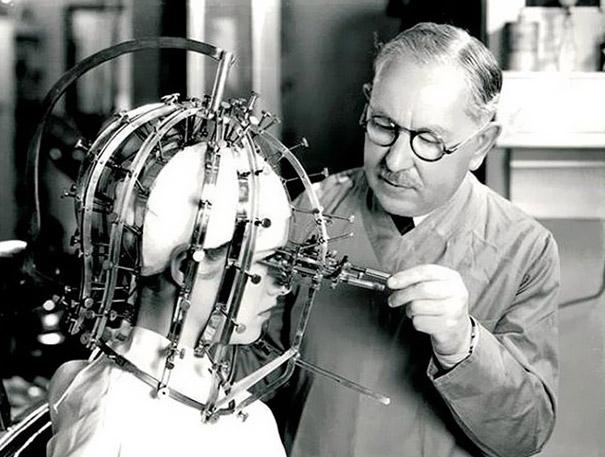
Limbo-life goes on, but I thought I’d do a bit of dusting… of history, that is. I love historical images – they have a story that may have gotten lost over the years, or may document a significant achievement, such as the moon landings. Then there are those lovely photographs of bygone inventions: Some have succeeded into the modern era, while others were dumped somewhere along the wayside (and rightly so). Fortunately, the photo above falls into the latter category! As far as this topic goes, this is just a light dusting; there have been entire books and documentaries addressing this vast issue; if you’re interested in viewing a few documentaries on the topic, click here.
Makeup, as a topic of history, goes back thousands of years. Ancient Egypt is famous for their eyeliners and other cosmetic enhancements; lipstick may have been invented as far back as 5,000 years ago, by ancient Sumerians. The word “cosmetic” comes from Greek, and originally meant “technique of dress and ornament” or “skilled in ordering or arranging”. Natural ingredients used included charcoal, beeswax, crushed gemstones, castor oil, olive oil, milk (Cleopatra’s famous milk bath), rosewater, seaweed, fish scales (still used today), and seashells. In past ages, there were dubious forays into using tinctures of white lead, mercury, arsenic, quicklime, Belladonna, and even mouse fur eyebrows (for when the woman’s hair fell out due to using any of the above in combination…). A common insect still used in blushes and lipsticks is the cochineal, the Dactylopius coccus, a scale insect.
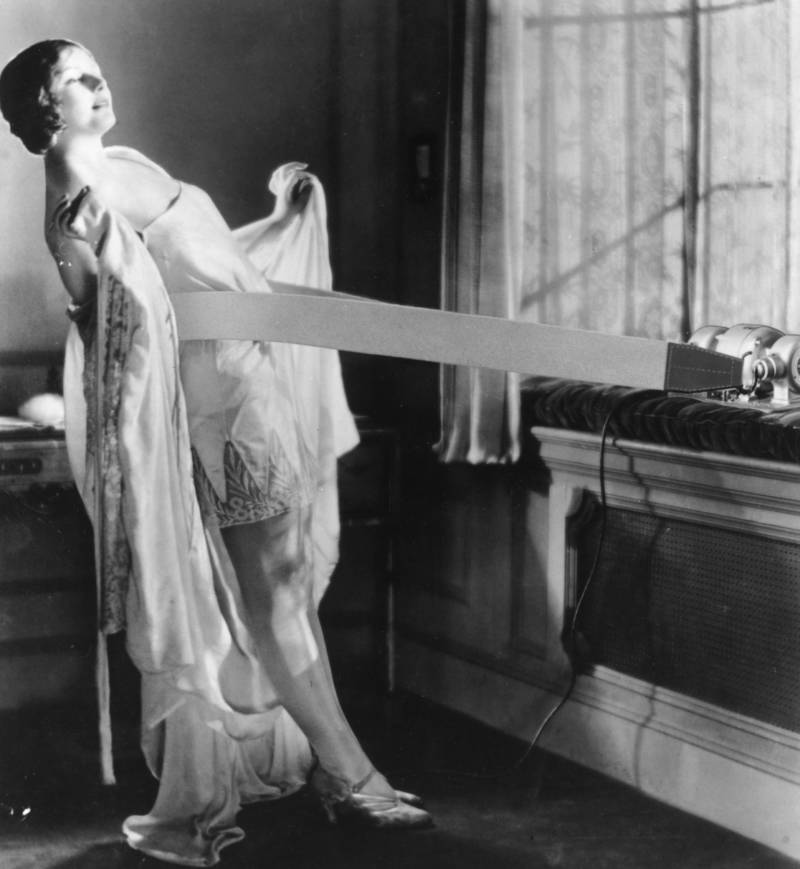
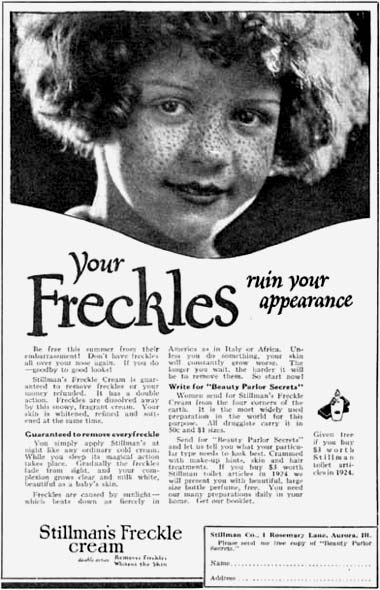
Probably as far back as the dawn of the Industrial Revolution in Europe, there has been a fascination with mechanics, even in the beauty industry (as illustrated by the image above). Though I have yet to find images that document the attempts at enhancing a man’s handsomeness, there are dozens, if not hundreds, of such inventions for women’s beauty. I think that fact simply reveals something about a deep-set, double-standard mindset that women need cosmetic improvement while men don’t *; that notion has been inescapably engrained into women for thousands of years (with the exception of the Egyptian culture, in which men used eyeliner just as much as the women). [*The two exceptions that I can find to this general trend is that men were berated in the mid-war years for being too scrawny, and they were encouraged to develop their physique; they were also ridiculed for baldness and were offered hair growth concoctions to counter the natural process.] While many of these gadgets and products have thankfully gone the way of the Dodo, some are still lurking around – and to them, I say, Shame on them for shaming natural features!
Here are a few other bygone mechanical attempts at enhancing the beauty of women:




The Limbo of 2020
I don’t know about you, but I’ve been more or less in a state of limbo for several months: COVID-19* has thrown a spanner in most people’s schedules. Events postponed. Then cancelled. Then re-scheduled. Then cancelled again. And again. Or maybe in a few weeks? Not likely, but things still need to be decided, planned as-if, and prepared for. But it’s challenging to work toward a goal that’s too fluid to pin down; is it happening or not? Will it be worth all the effort to prepare, or will that all come to nothing? [*Shouldn’t we now be calling it COVID-20? I think 2020 deserves to be known as the year of COVID more than 2019 when most of us had never even heard about it last year.]
One event I am planning for (maybe) is our semi-annual Christmas craft fair at our church. I usually provide a variety of options, and this year is no different; but now that I’ve found out it’s actually happening (as far as we can tell at the moment), I’ve been scrambling to make various-sized face masks and mask mates (button/ cloth extensions to relieve pressure from the ears) in time for the last November weekend. Part of my mind – that part a bit gun-shy from on/off plans – has wondered what I’ll do with so many masks if we don’t end up having the fair! But I can’t let that stop me from preparing for it, anyway.
My husband and I are both active in the leadership of our church; he is an elder, while I am in the team that organises / produces the church services. By “producing” in this context, in normal times it would simply mean coordinating the various teams beforehand to make sure everything runs smoothly on the Sunday; but with Corona, it now also means that – at least for now (as in March/April for a while) – it is once again restricted to livestream. But for how long? Or will we soon be back at full capacity? And how long will that last? Our quarterly planning sessions have become an exercise in limbo… in how many ways we can say “maybe”. The production side of such an event has taken on another quality: We are responsible for ensuring that the security measures are followed; we have also shifted from service leaders to producers of a video. It’s a learning curve, as there are a lot of considerations to plan for that were not necessary in a live service.
In the first wave, most people in general were supportive of governments’ restrictions such as lock-downs and closures of events (concerts, exhibitions, weekly food markets) and restaurants, pubs, etc. Many probably thought it would soon be over. But as the second wave hit Switzerland, and we became a “hot spot”, I think people have not only begun to feel tired of it all, but also are beginning to think in terms of long-term preparation and planning that needs to be done. The first wave brought on panic-hoarding of things like loo rolls (toilet paper) and canned foods; at least here, the second wave has been met with calm pragmatism. Facemasks were scoffed at back in spring; now, they’re becoming a fashion accessory and an accepted part of our collective psyche.

If you or someone you know has been affected by COVID, then you’ve learned that “recovery” is also a limbo concept: There are longer term effects that could not have been anticipated, such as heart problems, breathing problems, effects on the brain, exhaustion, hair loss, rashes, smell and taste disruptions, achy joints, brain fog, headaches, and even depression. This isn’t just a flu virus. I myself had a mild case back in March, and I still have achy joints, exhaustion, occasional headaches and brain fog. I have no desire to test the hypothesis of herd immunity; I think that’s been debunked by now, anyway… it’s possible to be re-infected, so that’s enough for me to err on the side of caution.
Eventually, we’ll emerge from the fog of 2020; in the meantime, we can choose how we approach the current events: Some will buck against being told to wear a mask and wash their hands and keep their distance; some will hunker down in a food-stuffed bunker; some may focus on the not-haves and become impatient and depressed; some may choose to find a new hobby or something to positively focus their mind on; and some will do all of the above at various phases along the way. I think it’s similar to the process of grief or loss: Denial, shock, anger, bargaining, mourning, acceptance, peace. Wherever you’re at, I think we’re in this thing for the long haul, so I hope you arrive at the positive phases soon.
With what energy I have (which, admittedly, is a lot less than pre-Corona), I will try to keep a positive outlook, and do what I can with the time given to me. I hope you are well, that you stay healthy, stay safe, and that you can find creative ways to approach the upcoming holiday seasons within the restrictions of our times.
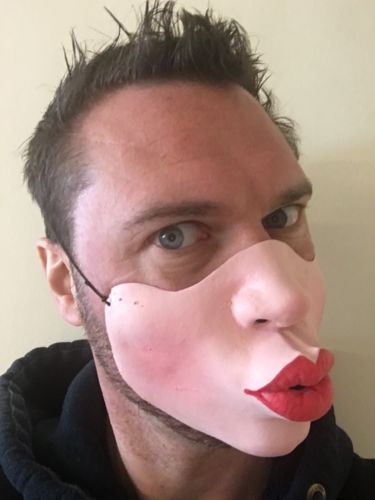
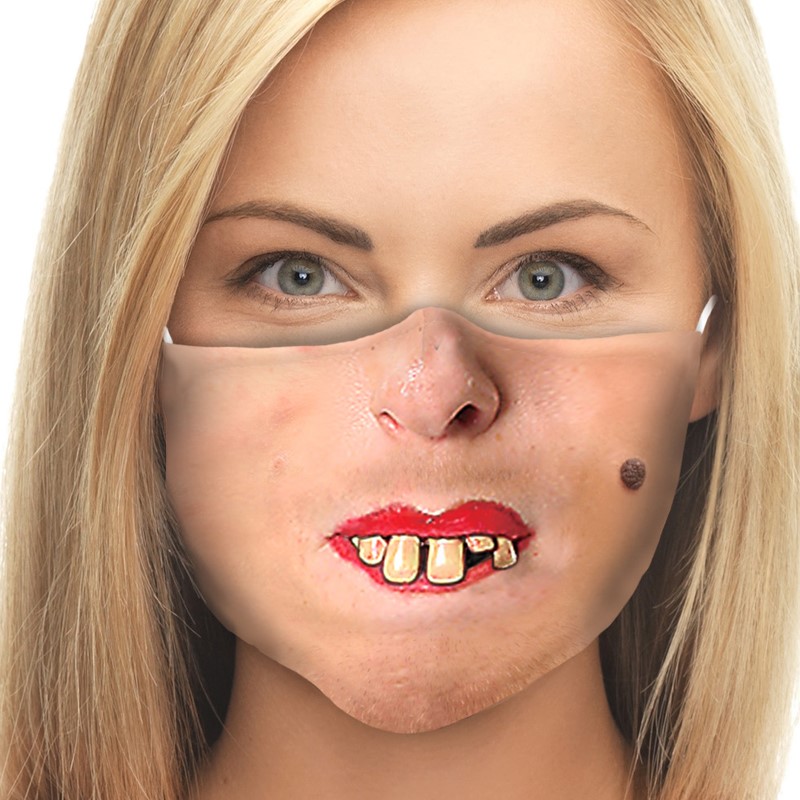
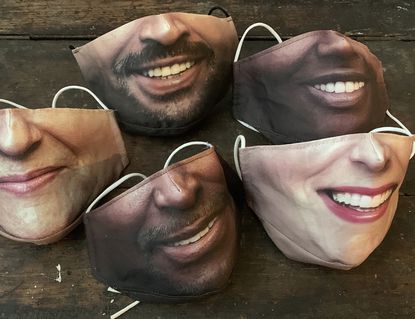
To end this with a smile, take a look at a few fun face masks!

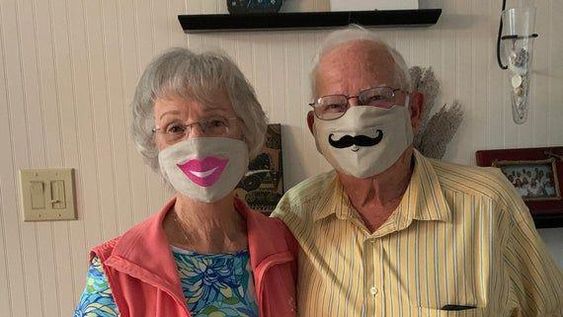



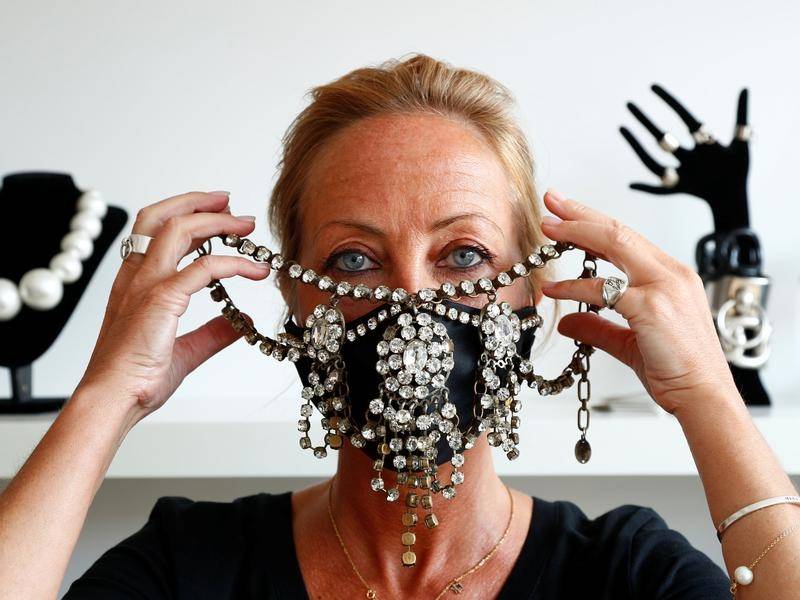


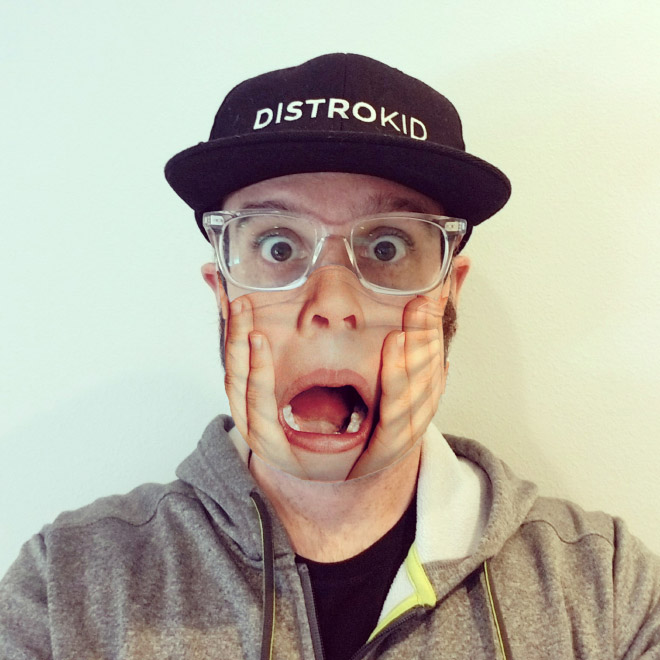
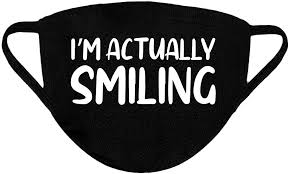


Filed under Articles, Musings, Science & Technology
Bad with Numbers
Everyone has their own strengths and weaknesses; when one recognizes a strength, it usually has something to do with a favourite topic, and may even become a component in one’s professional life. When one identifies a weakness, they have two options: Work to improve that area, or accept the fact that they will never be more than minimally proficient in it; at that point, they will likely develop strategies to help them cope or navigate through life despite it.
Someone who is poor at math doesn’t become a mathematician unless they really want to; if they do, they’ll push through and turn that weakness into a strength. I’ll be the first to admit that I fall into that category – except I have NO desire to be a mathematician… that’s what calculators are for!
I’m not only bad with math, but bad with numbers, period. I can tell you what happened, how a historical event unfolded and who was involved, but don’t ask me to remember the dates or years of the event! Same goes with Bible verses – I can tell you the event, what led up to it, and who was involved and what resulted, but I can’t remember more of the actual reference than which book and, “it’s on the left-hand side of the pages.” My husband can confirm my weakness: When we’re playing a game that requires counting up points as we’re playing a turn, numbers randomly come out of my mouth as my mind is several steps ahead of my playing piece! It keeps him on his toes.
I recently thought about this topic when going through a few old files: I’m extremely organized, especially when it comes to things that I have tons of – like crafts supplies (anyone who does crafts will tell you it is actually not one but two hobbies: One is buying or collecting crafts supplies; the other is actually using them!). In crafts, I’ve learned to negotiate around too much calculation; measurements are one thing, but don’t ask me to compute an angle; I’m much more accurate when I wing it by sight with such things – that’s one of my coping strategies that pays off.
I’m also meticulous with organizing “writing” bits & bobs – prompts, tips, lists, glossaries, etc. I’ve learned that I must be particularly organized with information that is reliant on numbers – like historical dates, chronologies, etc.
Having confessed as much, I’ve recognized a strength in all that: I’m someone who relates to things and events relationally – the whos, whats and hows, not the whens. I’m visually- and relationally- oriented. I can tell you what something looked like, or that the weather was cold when the outbreak of war X occurred, or that there were YZ people or nations or factions involved and why, but don’t ask me what years it took place. Add to that fact that in German, numbers are spoken in reverse (e.g. 27 is said as “seven and twenty”), which makes it even more complicated! But I’ve been relieved when I’m in a shop or at a doctor’s office and I see the employee writing down my telephone number in reverse as I dictate it (they’ll write the 7 first then move backwards for that 20)!
What are you good at? What are you bad at? The more we recognize such things about ourselves, the better we’ll be able to improve areas or to accept them with a dose of grace toward ourselves. Everyone has strengths and weaknesses; find those people who could use help with your areas of strengths, and learn to accept help in your areas of weaknesses. Everyone wants to be useful and wanted, so our weaknesses give us the opportunity to encourage someone else to put their strengths to good use!

Life & All that Jazz
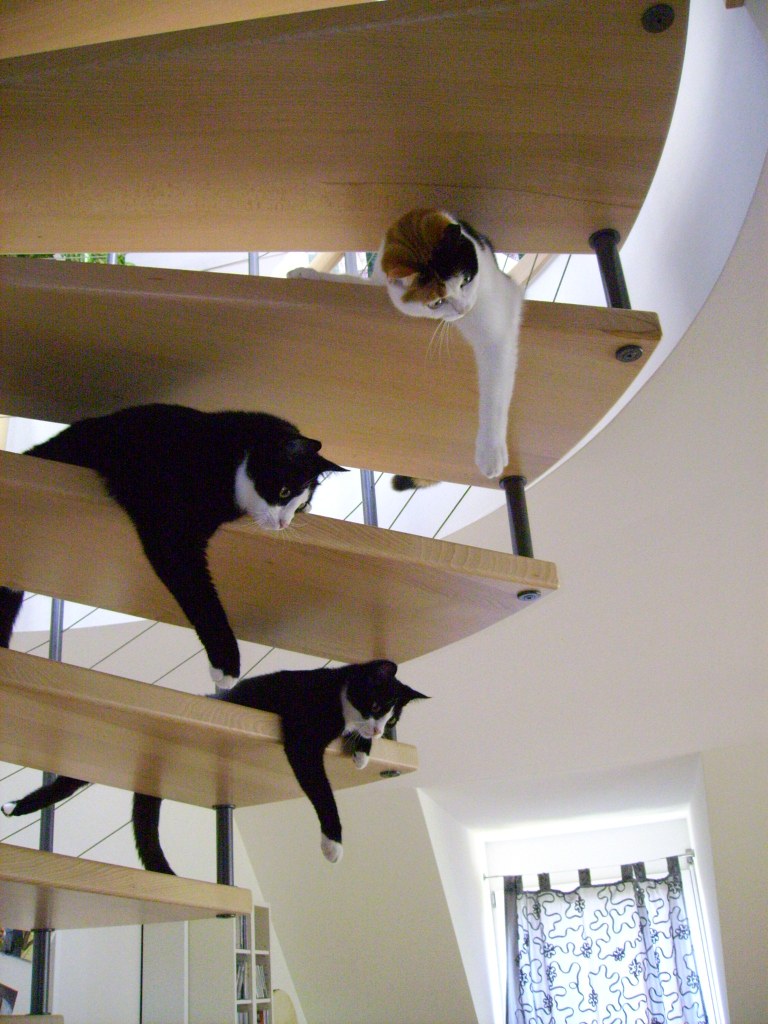
It’s been nearly 2 weeks since I wrote, so I thought I’d catch you up on why: At the end of last month, one of our cats, 12 years old, was diagnosed with breast cancer; I didn’t even know that was something cats could have, but the vet was confident that she had some time left – as long as she ate, and felt like living, we’d make her as spoiled and comfortable as possible. She’d lost a lot of weight, so we were given a few cans of “recovery” food to help her gain weight; they were barely touched. That was a Monday; by the following Friday, it had gone into her lungs and she went downhill rapidly. Less than a week after the diagnosis, we had to say goodnight for the last time. So I haven’t really felt like writing much lately. Our other two cats* had sensed that Gandria needed more space than usual (she was always more of a loner than the other two, who always seem to be synchronized and near me – as I write, they’re both asleep in boxes on my desk), so when she finally left our home for the last time, they accepted it smoothly. She was part of our family for 12 years; anyone who’s lost a loved pet knows what that feels like. [* Amendment, 10 January 2021: In the image below, the middle cat, Caprino, passed away yesterday after a 6-week battle with kidney disease, diagnosed end-November…]
Even though I haven’t written here, when I’ve had the focus, I’ve been working on my current manuscript, a science fiction novel. It’s nearly done as far as the second draft goes; after that it’s the long process of editing, perhaps re-writing scenes, and then the long haul of technical formatting and preparing the manuscript, covers, blurbs, etc. for publication.
Besides all that, I’ve been in the kitchen: I’ve always had a good supply of reserve foods on hand for that surprise visit or for those times when I’m too focused on writing to go to the store (I don’t like shopping). When the lockdown hit earlier this year, we were better off in that respect than many, but I began to notice certain areas that could improve. [I wrote about it a bit in my article “Preparedness”, as well as here.] One thing I want to get away from in our eating habits is the one “convenience” food we allow at lunch times when my husband has home office days: Quick Lunches (those plastic one-meal pots that you just add boiling water to). It turns out that there are a lot of great recipes for in-a-jar meals; they just require a few extra skills like knowing how to dehydrate cooked ground meat safely, or how to dehydrate sour cream or pre-cooked beans. Many of such recipes are coming out of America, where they assume you can just run down to your local Walmart or Costco and pick up dehydrated meat; fortunately, there are others out there who’ve figured out how to save expenses and make their own and shared that knowledge online. What I don’t have, and wish I could find for sale online with delivery to Switzerland, is a Food Saver vacuum packer with an adapter for canning jars. But I’ll just have to figure out a way with what I’ve got, because it is what it is.
I’ve also been canning more – things like tomato stews, jams, etc. These kinds of meals are not just for us; we’ve got families in our church that are struggling through issues, and being relieved of meal planning and prep is a relief for them. I plan to collect the recipes I find most accessible for Swiss cooks, and post them on my recipe blog so that they can access them and we get an organized distribution chain going. In doing so, I’m also aware that I’m probably the only one with dehydrators, so I’ll be providing some of those ingredients for others to pack up – which means that I’ve got some prep ahead.
Whatever you’re up to, I hope you’re well, staying healthy physically, mentally, emotionally and spiritually. Taking care of ourselves is vital; it’s the only way we can then also help care for others.
Filed under Articles
Soapbox: Digital Interruptions
How many of you have ever heard something like, “We interrupt this broadcast to bring you the following important information”? This is a phrase used by radio and television channels in some English-speaking countries to announce emergency conditions. When you hear that, you expect the message to be important enough to warrant the disruption. But most of us grew up (if we had any kind of guidance from parents) knowing that it was rude to interrupt; we learned to wait for an appropriate moment to introduce an opinion or a change in topic.
How many of us like having our concentration or focus ripped apart by someone or something breaking into our reveries or a conversation with a friend? If you’re deeply focused, it is jarring to be interrupted. Once is okay; a dozen times is beyond irritating.
Unfortunately, this bad habit has become a trending behaviour online: You’re watching a video on YouTube, and mid-sentence of the documentary or instructional video, or mid-action of whatever you’re watching, you are suddenly expected to switch focus to an annoying commercial (are they intentionally made abrasive to grab your attention?). Now don’t misunderstand me: I realize that the material on YouTube is free of charge, and someone needs to generate revenue to pay for it all; but does it need to be mid-sentence? Why not wait until an appropriate break in the video? It’s too much work to be digitally polite, apparently. [I just hit Alt + delete at the beginning of every video; it will skip ads with only a hiccup.] For me, this isn’t just an interruption; it’s a rude, deliberate attempt to distract me from my original focus. I don’t know about you, but such ads don’t leave me any desire to hear their message or give them my business; if anything, I’ll avoid their products.
Another digital interruption I’ve noticed on the rise on sites such as Pinterest is the bombarding of my home feed with inane pins: Last week it was Asian teeny bands, or today surfing ads, Cambodian royalty, gossip magazines and paparazzi pins – none of which have anything to do with either my interests or my recent activities. On Pinterest at the moment, my feed is stuffed with useless fluff. I wrote a complaint, and they cleared away the Asian bands, only to have them replaced with the above-mentioned idiocy. To actually find what I’m searching for, my focus is wrenched back and forth. Every. Other. Pin. Guess what? I won’t be on Pinterest as much any more. Facebook did the same thing; I’m not there, and have no intention of going back all that often (the only reason I keep my FB account is to keep in contact with international friends and family).
So what can we do? Do we have to accept this behaviour? No; but raising other people’s children costs time and energy. But it does work: Write a complaint; give feedback when requested or not; block such pins or links as spam (= “misleading and/or repetitive”). This same principle applies to content farms online (e.g. So Yummy, Troom Troom or 5-Minute Crafts): If you come across their videos and watch them, and notice something faked, dangerous, or repetitive (every one of their videos contain one or all of the above), don’t “dislike” or comment – that just tells the algorithm that someone saw it and that it elicited a response; click on the three dots near the video and report it. If you’d like to go farther down this particular rabbit hole, a good place to start is Ann Reardon’s informative videos about debunking fake videos; her husband is a journalist and writer, and puts his investigative skills to good use (if you want to skip her food testing and get straight to the investigation, click to 12:05 in the video).
The internet can be a wonderful place to learn, to do research, and to be entertained; but be aware of the growing trend of subtle manoeuvres by algorithms, digital echo chambers and flashy ads to manipulate your perceptions, opinions, and habits. Take time to act and move around wisely, even if it’s in cyberspace. Discernment may be an old-fashioned concept to some, but it’s a lifeline in the sea of churnalism in today’s world.

Filed under Articles, Links to External Articles, Research, Science & Technology
History Undusted: The Dying Art of Sailors’ Shanties
Because the days of Sail are mostly long gone except for re-enactment vessels and small private vessels such as yachts, a great tradition is being lost to the winds of time: The Sea Shanty. Shanties were songs sung by sailors; they were sung not only for the entertainment factor, but the rhythms kept the crews in time as they hauled in anchors, drew up sails, tightened ropes, scrubbed the deck, and any number of other duties aboard their ship. Specific shanties were used for the short haul, the Halyard, Windlass, Capstan, or the Foresheet, because those shanties had the best rhythm to get a particular job done. Musicians try to keep the songs alive today, but they are a ghost of what they once were, and what they once meant and represented; they were the life blood of any Ship of the Line.
For sheet music, check out The Shanty Book, Part I, Sailor Shanties, by Richard Runiciman Terry.
For an interesting article on shanties, including various video clips with live performances to hear the rhythms and flavour of the shanties, please click here. Take a few moments to enjoy the songs! Some of the videos are the songs sung to a series of historical images to do with sailing, so they’re a two fer!

Originally posted on History Undusted, 20 September 2015

Preparedness
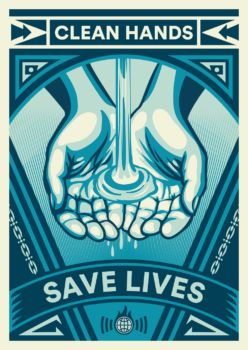
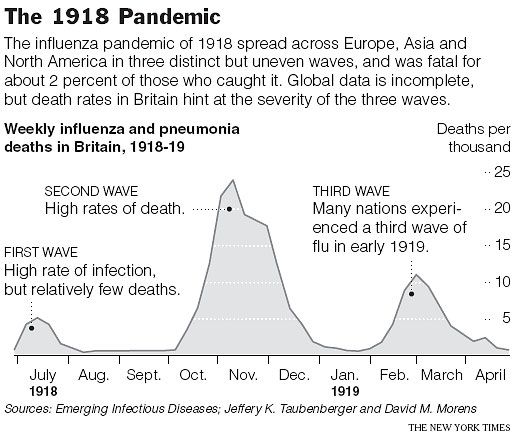
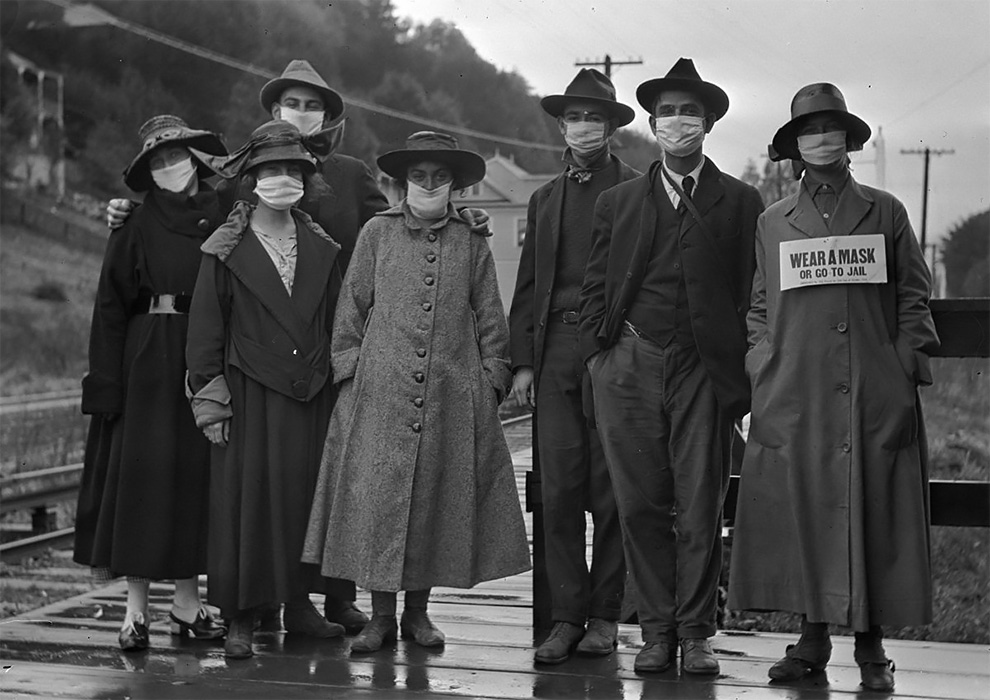
This article* will be longer than usual, but I think it’s an important topic to address. If you’re reading this, you’ve survived the first wave of Coronavirus, lockdown, and have been able to pay your electricity bill! Woohoo! But as the old adage goes, “History repeats itself”; as you can see from the images below, we’re not the first generation to deal with the affects of a pandemic. Such moments of crisis come in various forms: The Black Death, the Spanish Influenza, World Wars, the Great Depression, stock market crashes, slumps and recessions, and now the Coronavirus. Like any challenge, how you respond to it will determine how you come through it. The title, “Preparedness”, means “the state of being prepared”: It’s not about individual actions to accomplish something and check it off a list, but a long-term mentality to develop. The current times caught a lot of people off-guard, and some people and regions are still reeling.





In Britain at the turn of the last century, farming had been in decline because farmers couldn’t compete with the cheaper imported goods; they switched from grains to livestock, and two-thirds of British foods were coming from abroad. In the months before World War 2, the British government realized that, if the very real threat of a German blockade came about, the nation would be in danger of starving to death, so they petitioned people to plant vegetables instead of flowers in their gardens, and for farmers to dust off their equipment and begin planting crops again to feed the nation. They realized that self-sufficiency in a time of crisis is the best remedy for the essentials.
In the past decade or so, there has been a growing trend toward self-sufficiency through things like living off-grid, the tiny home movement, Earthships, living debt-free with minimal possessions and minimal environmental footprint, and growing one’s own organic, non-GMO foods in urban gardens – on rooftops, in vertical boxes, on balconies and on kitchen window sills, or simply moving back to the land and acquiring the skills to return to farming.
Do you know how to grow your own foods? How to get a plant from seed to harvest? I don’t. But we have the greatest tool of any generation: The internet. Such knowledge can be passed on to anyone and everyone via YouTube tutorials, Instructables & Wikihow, and whoever’s willing to roll up their sleeves and learn.
Per Person
Back in March, when Switzerland went into our first lockdown, a friend sent me a list of what the Swiss government recommends as emergency supplies for a week. This list is likely more focused on the scenario of a village being temporarily cut off by an avalanche or landslide, which is a very real threat in some areas here; it’s nevertheless a good starting point of things to think about to prepare for longer crises, such as Covid-19 has faced us with:
- Water – 3 litres per person per day (extra for house pets, hygiene, etc.)
- Fruit & vegetable juices
- Rice, pasta
- Oils and butters / lards
- Powdered soups
- Sugar, jams & honey
- Bouillon, salt, pepper
- Coffee, powdered chocolate, tea
- Dehydrated fruits
- Pulses (dried or canned)
- Twice-baked breads, crackers
- Chocolate
- Condensed milk, UHT milk
- Hard cheeses (can be frozen), sausages, dried meats, jerky
- Special foods for infants and pets
- Transistor radio, torch (flashlight) & extra batteries
- Candles, matches, lighters
- Gas canister for camping lights and / or grill
- Soaps, loo rolls (toilet paper), hygiene articles
- Extra prescription medicines, aspirins
- Bandages, gauzes, salves, first-aid supplies
- Facemasks, hand disinfectants, disposable gloves
That last item was certainly felt here if you didn’t have it: hand disinfectants went off the shelves fast, and when they returned, they were four times more expensive than before. We had some on hand, so we were able to bridge the gap in the empty shelves and can wait until the prices go back down.
Consider How & What You Eat
Below are a few areas to think about when preparing for times of crisis; some of these points may be logical and daily practice for some of you, but others might not have had someone guiding them:
- Go through your cupboards and make an inventory of what you have; move the oldest to the front, so that they’ll be used first.
- Your food budget probably won’t allow you to buy supplies for months all at once, so learn to think ahead as you do your normal shopping: Look for foods you usually eat and buy them double, or in 3-for-2 sales packages. Stock up gradually, and as you cycle your consumption (oldest first), replace them when you can; this will give you buffer room in a time of shortage.
- Make a list of what you usually like to eat: Cross off the following: restaurants, take-away, deliveries, pre-packaged meals, frozen dinners (they’ll be crossed off for you anyway, come next lockdown…). What do you have left? Those things crossed out will (should) be the first to go any time things are tight financially. Cooking at home is far more economical, healthy, and psychologically fulfilling.
- Learn ways to store foods longer-term than fresh: Canning, dehydration, freezing, jerky, fruit leathers, etc. The principle of “oldest first” applies to these goods, too.
- Don’t buy foods you don’t eat. If you’ve never eaten beans in your life, don’t hoard cans of them. Don’t buy things you’ll never use, and use the things you have. If you have foods you’re not sure how to prepare, find out – Pinterest, Google, and dozens of websites will guide you.
I have two dehydrators, and I use them frequently; there are some staples that I always have in dried form – onions, potatoes, dried fruits, tomatoes, etc. The flavour is amazing, and the nutrients are retained during the slow drying process. I store all my foods in bail lid or mason jars (click here to see why); it looks appealing, and I can see exactly what I’ve got. If you’ve never dehydrated, it might be something worth thinking about – if you don’t have space/budget for a dehydrator, there are instructions for doing so in your oven or outside if you live in a sunny, dry environment.
Build Your Resources
What would happen if, for whatever reason, the internet were to go dark, or your connection becomes unreliable? I’ve heard a joke that says Italians can’t speak if you make them sit on their hands, and I think the same could be said that nowadays, many people can’t think without Google or Wikipedia. So build your resources; start getting books on topics like emergency first-aid, foraging plants for your region (and do your local parks have walnut trees, apple trees, stinging nettles or edible greens?), gardening, household repairs, and even novels for a bit of an escape. And add a cookbook or two while you’re at it – e.g. the kinds that show you how to cook on a shoestring budget, how to prepare foraged foods, or how to preserve foods.
During the first wave of the Coronavirus, hospitals here were put onto “triage” mode – that means only patients were getting treated who had life-threatening issues. A broken arm isn’t life-threatening, so you may be stuck with one for weeks on end until your doctor has an opening. Would you know how to treat it in the meantime? A friend of ours here had to experience that first-hand, so be prepared just in case. Hopefully you’ll never need those skills or bandages, but to need them and not have them is worse.
Acquire Skills
It’s fairly inevitable that an economic depression is on the way, with so many businesses and individuals in some countries having survived on the “just now” principle – just enough revenue to pay the bills, with no buffer in the bank account (and many stores were operating on the same principle, which is one reason why shelves emptied so fast when supply lines broke down). Many people will be faced with unemployment; so use the time wisely by learning a new skill or honing a dusty one. The more you learn about a new skill, the more you’ll also learn about yourself. Someone who is motivated to learn something new has more self-confidence, will be more attractive for potential employers, or will even enable you to step out entrepreneurially. It will give you more job flexibility and more enjoyment. Not all skills have to do with monetary gain; some are for pure enjoyment, such as learning to play an instrument, which will bolster your mental health, enabling you to face things more squarely.
Think Outside the Box
What happens if the monetary system breaks down? Remember that adage about history? There have been times in recent history when a country’s currency had become less valuable than wallpaper – and people used their banknotes for that purpose. Banknotes have only been accepted as currency just over 300 years – a blip in history, really. So how were things traded before that? Sometimes with pieces of silver jewellery (called “hacksilver”), or gold, but often it was a matter of bartering – trading skill or service for service or skill: One neighbour might know how to do plumbing, and you might know how to upholster chairs. If you have marketable skills, consider tutoring online or via Skype or Zoom. Essential in this principle is getting outside your comfort zone and getting to know those you live cheek by jowl with. How many people, who live in an apartment building (block of flats) have no idea who their neighbour is, beyond their name?
True, in Corona times social distancing is important; but get to know the neighbours anyway: Talk to them in passing; perhaps even introduce yourself with a short note of introduction, telling them who you are, what you do, and your hopes that community can grow in your building. If you already know your neighbours, let them know that you’re willing to help out – offering help first makes it easier to ask when you need it, and makes them more eager to help in return.
I hope this helps; it’s easy to lose perspective in times of crisis, and the more prepared we are with the essentials, the faster we’ll be able to get our feet back under ourselves, and the more secure and less stressed we’ll be in the long run.
[*The original draft of this article was cleverly DELETED by WordPress’s new editing program in the blink of an eye, with NO draft backup, because they went and messed with a good thing again and completely changed their entire post layout function; apparently they have yet to learn the meaning of the old adage, “if it ain’t broke, don’t fix it”.]
Filed under Articles, History, Military History, Musings, Science & Technology




 Stephanie Huesler