History Undusted: Eidsborg Stave Church & the Vest-Telemark Museum
Back in August of 2013, my husband and I went on a holiday/research trip (for “The Cardinal“) through parts of Norway, and we came across an amazing site: Eidsborg Stave Church and the Vest-Telemark Museum. We went to Eidsborg with the intention of seeing the outside of the Stavskyrkje (stave church) there on our way to the Heddal Stave Church; instead, we spent swift hours there! It started off with a private guided tour from a local guy (“local” meaning his family has lived in the area since the 1300s), who was both understandably proud of the local history and knowledgeable, as well as enthusiastic.
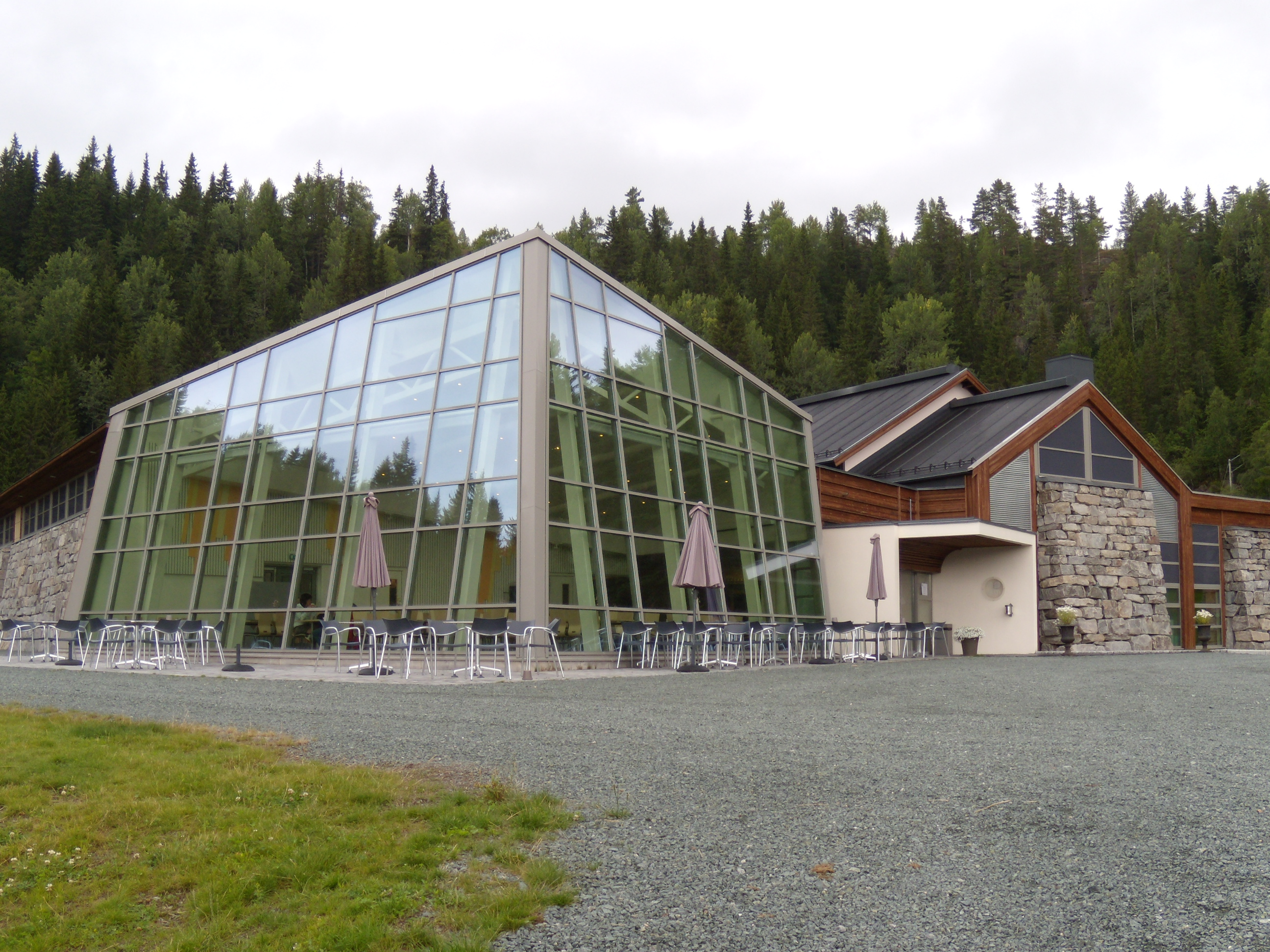
Vest-Telemark Museum, Eidsborg
The museum itself is modern, beautiful, excellently staffed and convenient, with free wireless connection, a cafe and a gift shop, but most importantly, an extensive exhibit of the history of Vest-Telemark. The rural life from the late 1700s to 1900s is colourfully laid out, with printed information sheets at each station in Norwegian, English and German. There’s a strong sense of pride in local culture, and you can breathe in the history of the place. Literally. The buildings on the property, some of which you can enter, live and breathe the lives of those who lived there; the musty smells of old leather, damp earth, mildew in the wooden and thatched walls and roofs, the smell of pine wood, the turfy aroma of the blackened pitch-coated walls of the Stave church itself, and the sight of dusty sunlight streaking in through wallboards into the barn, the smithy, a cottage, storehouse, stable, or the mill. There was even a sauna, built around 1895 (saunas weren’t used back then as they are now; they were places to dry grains for storage or to steam out fleas and lice from fur rugs and coats).
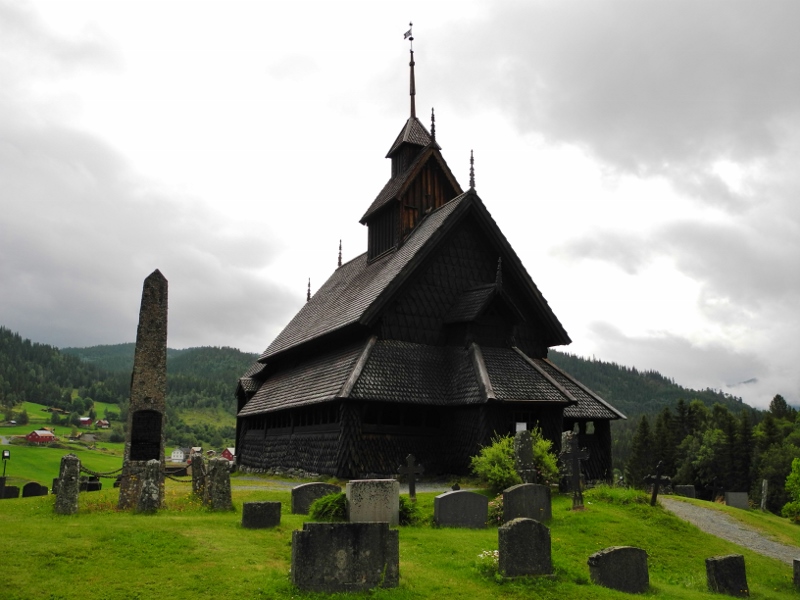
The Eidsborg Stave Church
The church is typical stave construction: The staves are corner pillars used to support the edifice, and the interior of the roof uses the same skeletal structure as the Viking longboats – if it works (and those ships worked better than anything on water for centuries), why change it? The inside of the church is rich in history: Carvings from the 1200s, intricately painted walls from the 1600s, a statue of the patron saint of travellers (St. Nicholas of Bari) watching from the corner (as an antique replica – the original is in an Oslo museum), and the dusty light of sunlight peering through small holes near the upper beams. The latter mainly served to provide a bit of light as well as fresh air: Candles could only be afforded for the clergy, so it would have been extremely dark without those holes; sermons went on for hours back in olden days and there were no seats until the middle ages. Everyone in the parish was required to come, punishment or humiliation being the course of the day if they failed to appear for service, and in the tiny space allowed inside the original church, it would have been standing room only, packed in like sardines. If someone fainted from lack of fresh air, it probably wouldn’t have been noticed until everyone filed out. Today there are pews, and it is used weekly as the parish church through the summer and autumn; it is closed for service during the colder months as heating it would cause decay of the paintings and interior woodwork.

Details in the gallery
Wooden-shingle clad from the ground up, it gives the building the appearance of dragon’s scales, and having been coated with thick pitch for centuries, it looks quite as if it has been charred; it smells wonderfully peaty, like a strong dark whiskey, and on a sunny day you can smell the aroma a good distance away. The gallery along three sides of the church reveals many interesting details, from the wooden spikes used to nail the shingles to the roof to the outer curve of the stave pillars jutting out into the gallery. It’s living, breathing history, and a pleasure to have been there.
History Undusted, 21 September 2013
Filed under Articles, History, History Undusted, Links to External Articles, Research
Quintus Quotes: Favourites
I love quotes – they often sum up an entire concept, attitude or reality in one simple sentence. On my desk, I have a flip pad of quotes I’ve put together with notebook rings, and the first quote below is the one I’ve got it turned to now (this meme is my own variation on a quote by Celeste Headlee‘s sister); the others are poignant or pithy, but they’re among my favourites (depending on my mood). As to the last meme, it’s close to my heart – I love spiders, and I find people’s fear of them a bit amusing… Enjoy!




Filed under Quotes
2o Things Creative People Understand
Chances are, if you’re following along with my musings, you’re like me – a creative type. We’re an eccentric bunch, some more than others. Personally, I’m also a pragmatist; the motto of my current book, and one that makes a lot of sense, is “it is what it is” – it’s what we make out of our circumstances that sets us apart or makes us a success or a failure.
But the creative side of me doesn’t know how to slow down; I’ve constantly got a dozen projects on the go, whether a book manuscript, a craft project, or a to-do list a mile long. I’m constantly asking “why” (which used to drive my mother up the wall, I’m sure), and, like the Bereans (Acts 17:11), I don’t take things at face-value, but want to know for myself if it’s true or not – an invaluable trait, as far as I’m concerned, with so much crap and pseudo-news floating around cyberspace. I create in bursts, with times of “percolation” in between – shifting gears to another creative outlet. I need a place I feel comfortable in, to create; when I’m focused on a task, I can ignore the door, the phone, and any other interruption for hours on end. The downside of that is that I need to force myself to get up, move around, and get some exercise occasionally! That’s where my time management apps come in.
I came across an article recently about the things creative people do; I could relate to many of the points, but not all of them; after all, there’s no box that can contain everyone from any particular group; one introvert is not like another, and all that. I’d like to invite you to click on the image below, and take a look at the article – see if you can recognize yourself in some of the points! I’d love to hear what you think in the comments below.

Filed under Articles, Links to External Articles, Musings, Research
The History of Wedding Rings
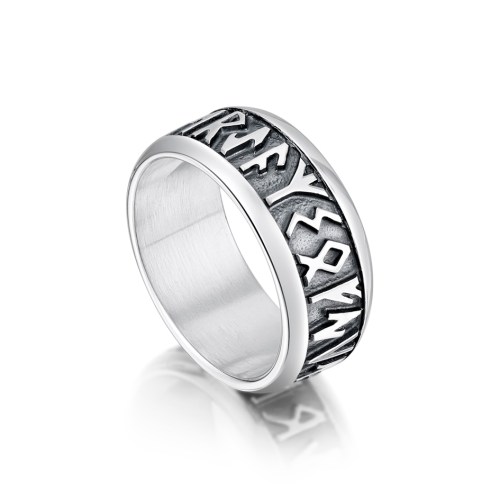
Have you ever wondered when the tradition of wedding rings began? How they developed in various cultures around the world? To read a fascinating article on the topic, just click on the image below; the article includes images of amazing works of art worn on fingers centuries ago. The image below, by the way, is of my own wedding ring; it’s a runic ring designed by Sheila Fleet in Orkney, Scotland, and it says, “dreams of everlasting love”.
Filed under History, History Undusted, Links to External Articles, Research
How to Make a Positive Impact on the Climate
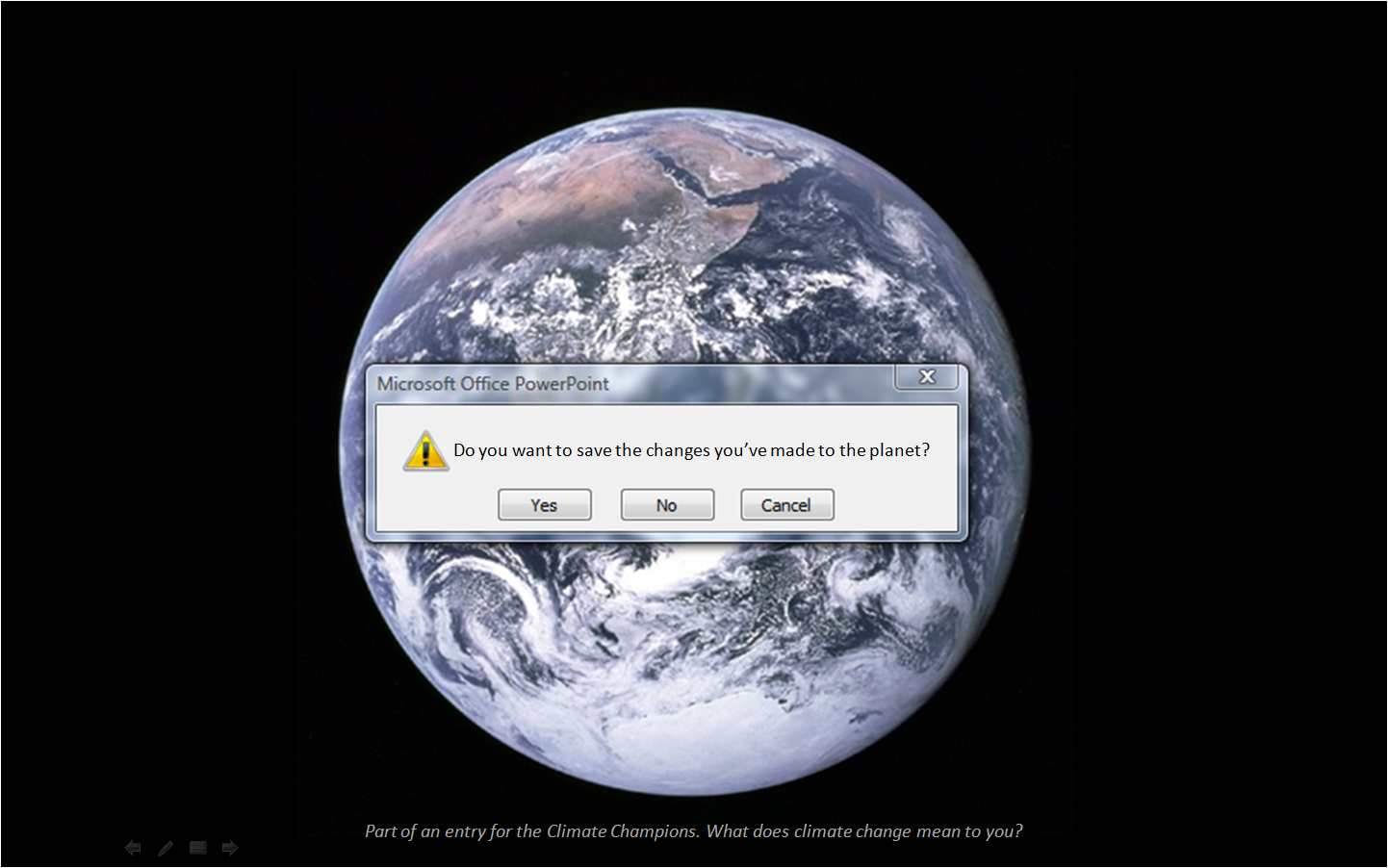
Most people know by now that our climate is changing; part of it is a natural cycle, but most of the recent changes are because of mankind’s carelessness and industrial advancements. Intense storms, flooding, drought, fire, avalanches, landslides… and that’s all been within the past week. Looked at as a whole, it might be overwhelming; people know changes need to be made, but what can one person do? Quite a lot, actually – and if everyone begins changing certain habits to a greener alternative, the impact will be felt. For your sake and mine, I’ve pulled together a list of things we can do:
1. Get involved
Vote for green policies, support green campaigns and organisations, and get the word out to your friends and family about what they can do to become greener.
2. Be energy efficient
Switch off lights; change light bulbs to compact fluorescents or LEDs; wash clothes in cold or warm (not hot) water, and only when the load is full; hang dry your clothes when you can; keep your thermostat at minimum temperatures, and layer your clothes if you’re cool, or take off layers if you’re hot – don’t freeze your house in the summer, or heat it to the tropics in the winter. Look for energy-efficient labels when buying new appliances. If you’re thinking of moving, consider moving closer to your workplace, or closer to your usual shops – wherever you can to lower fuel consumption or allow alternative transport such as bike or bus.
3. Choose renewable power
Ask your utility company to switch your account to clean, renewable power, such as from wind farms, solar power, or earth-heat sources. If it doesn’t offer this option yet, ask it to. The next time you need to buy an appliance, look for the greener brand.
4. Eat wisely
Buy organic and locally grown foods. Avoid processed items. Grow some of your own food. And eat low on the food chain — at least one meat-free meal a day if you’re not already vegetarian — since 18% of greenhouse gas emissions come from meat and dairy production.
5. Trim your waste
Garbage buried in landfills produces methane, a potent greenhouse gas. Keep stuff out of landfills by composting kitchen scraps and garden trimmings, and recycling paper, plastic, metal and glass, and donating things like clothes to charity shops. Let store managers and manufacturers know you want products with minimal or recyclable packaging. If you do crafts or know anyone who does, upcycle.
6. Let polluters pay
Carbon taxes make polluting activities more expensive and green solutions more affordable, allowing energy-efficient businesses and households to save money. If your local government doesn’t have a carbon tax yet, ask your politicians to implement one.
7. Fly less
Air travel leaves behind a huge carbon footprint. Before you book your next airline ticket, consider greener options such as buses or trains, or try vacationing closer to home. You can also stay in touch with people by videoconferencing, which saves time as well as travel and accommodation costs.
8. Green your commute
Transportation causes greenhouse gas emissions, so walk, cycle or take transit whenever you can. You’ll save money and get into better shape! If you can’t go car-free, try carpooling or car sharing, and use the smallest, most fuel-efficient vehicle possible.
9. Buy Less
Whether electronic items, or reusable grocery bags, you can reduce your carbon footprint by buying wisely, less often, and energy efficient. Buy local or organic foods when possible; look for fair trade products, which not only give a better wage to the people producing the good but also tend to have cost-efficient transport; buy essentials in bulk to reduce plastic wrapping. Recycle or upcycle that wrapping. Use what you buy – don’t let foods go off, or buy any item around the house unless you need it and will use it. Buy products when possible that are sourced from sustainable programs – wood, paper, etc. Don’t upgrade your cell phone until you must; that little gadget leaves a huge carbon footprint; and when you do upgrade your phone, make sure you recycle it. For every 1 million smartphones recycled, 35,274 pounds of copper, 772 pounds of silver, 75 pounds of gold and 33 pounds of palladium can be recovered.
10. Unplug
Believe it or not, you may be spending more money on electricity to power devices when off than when on. Televisions, stereo equipment, computers, battery chargers and a host of other gadgets and appliances consume more energy when seemingly switched off, so unplug them instead.
11: Shop Online
If you can’t buy something locally, or bike or walk to the shop, consider online shopping. This is a catch-22, as local shops need your support; but if you have to drive further to find something, look for it online. According to one study, in-store shoppers gave off slightly fewer carbon dioxide emissions than online shoppers at distances shorter than 8.6 miles. For longer distances, online shoppers’ footprints remained relatively stable, while brick-and-mortar shoppers’ emissions skyrocketed, up to 451.4 grams of carbon dioxide per transaction (when travelling more than 62 miles). One UK study showed the average consumer would have to purchase 24 items at the market to make the trip equal to the carbon footprint of just one item ordered online.
12. Carbon Footprint Awareness
What is your carbon footprint? How many slaves do you use? Become aware of what your past habits have done, and it will influence your future choices. Here are a few links to help you figure out how you are impacting the environment:
How big is your environmental footprint? Check out this Footprint Calculator
How many slaves work for you? Take this survey to find out.
Additional Information:
http://www.davidsuzuki.org/what-you-can-do/top-10-ways-you-can-stop-climate-change/
https://www.scientificamerican.com/article/10-solutions-for-climate-change/
http://mashable.com/2014/05/15/climate-change-impact/#ILorIHWGeaqw
Filed under Articles, Lists, Musings, Science & Technology
History Undusted: Avaldsnes, Norway: A Hidden Gem
In the summer of 2013, I went to Norway on a holiday/research trip for “The Cardinal,” a 2-part fantasy-science fiction novel set in ancient Scotland, ancient Norway, and modern Scotland. Norway, however, seems to carry its dislike of small-talk into the area of promotion and marketing, and as a result, its museums and attractions are not as well advertised, marketed or signposted as they could be; we only found out about this little gem of a site because we happened to run into a Swiss friend in Haugesund, and he knew of the place! I promised the curators to get the word out, so here’ goes, and with pleasure:
On the island of Karmøy, along the western coast of Norway, sits Avaldsnes. With over 50,000 islands in Norway, it wouldn’t seem to our modern minds (as dominated by cars and roads as we are) to be a significant location, but Avaldsnes is rewriting Norse history. It has long been a place from which to control shipping passages through the narrow neck of the Karmunsundet, also called the Seaway to the North, or in Norwegian Nordvegen, and it is the maritime route that eventually gave its name to the country.
The kings of sagas and lays have become real at Avaldsnes, the rich archaeological finds there making it one of the most important locations in Europe for the study of Viking and Norse history. Avaldsnes was a royal seat, so it’s not surprising that some of the most important burials in Norway have been found here: One of its ship burials was dated to the 8th century (making it much older than any other such burials known of thus far). It was clearly a king’s burial, and the findings there have proven its political importance several hundred years before King Harald Fairhair unified Norway.
Today there are three main points of interest at Avaldsnes, all within walking distance from each other: St. Olav’s church, built on the site of the oldest church in Norway, was commissioned by King Håkon Håkonson around 1250 AD as part of the royal manor complex. On the north side of the church stands the Virgin Mary’s Sewing Needle, one of Norway’s tallest standing stones, measuring in at 7.2 metres today (though it was originally much taller; it can be seen in the picture above): Local legend says that when the obelisk touches the wall of the church, Doomsday will come; over the years, priests have climbed the stone in the dead of night to chip away any threatening pieces from the top, thus saving the world from annihilation. This church was an important site for pilgrims on their way to Nidaros (the medieval name for Trondheim, the capital of the land’s first Christian kings and the centre of Norwegian spiritual life up until the Protestant Reformation); on the north side of the church is a sealed door which was originally the entrance for those pilgrims, as it is said that they had to enter any church with their backs to the north.
The next site is the Nordvegen Historic Centre; at first glance, it’s merely a circular stone monument, but it is actually a stairway leading down into the underground museum, built so as to not interfere with the landscape. The exhibitions guide you (with a bit of modern technology) through 3,500 years of history through Avaldsnes, focusing on daily life, international contacts and cultural influences from those contacts. Foreign trade and communication were major factors at Avaldsnes, and archaeological evidence shows it to be a barometer to the prosperity and decline of European commerce as a whole. The museum has a hands-on section, as well as a gift shop that’s well-stocked with books covering various aspects of Viking history.
The third site is a hidden gem, located about 20 minutes’ walk from St. Olav’s: The Viking farm. The gravel path takes you along the shore, over two bridges and through a forest to a small island. It’s well worth the hike, as you come through the forest to find a Viking village tucked behind a typical Telemark-style fence (pictured above). A 25-metre longhouse is the centrepiece, a reconstruction of a 950 AD house, and built of pine and oak, with windows of mica sheets. The aroma of tar wafts from the house as you approach, as it is painted with pitch to weatherproof it; the smell reminds me of a dark peat-whiskey, and also of Stave churches, which are also painted with the tar. [The photo of the longhouse has one element missing to the trained eye: The low stone wall which should surround the house, as insulation, is missing at the moment while boards are being repaired.] Other buildings on the farm include pit houses (both woven twig walls as well as wattle and daub) used for activities such as weaving, cooking or food preparation, and other crafts necessary to daily life; a round house, a reconstruction of archaeological finds in Stavanger (which may be a missing link between temples and stave churches in their construction); various buildings of a smaller size; and at the shore is a 32-metre leidang boat house, representing a part of the naval defence system developed in the Viking Age: A settlement with a leidang was expected to man the ship with warriors and weapons when the king called upon them for aid. When the boat house was vacant of its ship it was used as a feasting hall, and the modern replica follows that example as it is often hired out for celebrations or festivals.
Both the museum and the Viking farm have friendly and knowledgeable staff; the farm staff are all in hand-made period clothing and shoes; as a matter of fact, one of the women was working on her dress while we were there, and she said it was linen; the total hours to make such a dress from start to finish would be around 600 hours (including shearing, spinning, weaving, then cutting and sewing). Had it been made of or included leather, it would have taken much, much longer. That is why clothing was very valuable, and most people only had the clothes on their back; you were considered fortunate, and even wealthy, if you had a change of clothing – even into the mid-eighteenth century in countries such as England.
If you are interested in Viking history, Avaldsnes is well worth the journey. Take your time; we stayed overnight in the area to spread the visit out over two days, and we could have spent much more time there. If you’re a natural introvert like me, you’ll need time to process the multitude of impressions, but that’s what we like – quality time, and quality input. And then get the word out about these points of interest!
Originally posted on History Undusted, 14 September 2013
Filed under Articles, Etymology, History, History Undusted, Military History, Nuts & Bolts, Research
Obscurities: Nyctophilia
English is an amazing language, full of words even most English speakers have never heard of. I love finding obscure words – there are websites full of them. I’m going to do my part in saving them from extinction by using them as often as possible… because sometimes, it’s just fun to confuse people!
Nyctophilia is such a rare word form that not even Wiktionary has an entry on it yet (though they do have “nyctophile”). It’s close to my heart, as I am a pure (can I make up my own word, please?) nyctophilite. I’d do everything in the dark if I could. I do fitness at night when the rest of the world has gone to bed, and I usually go to bed after the sun has risen; our exchange student used to call me a half-vampire. I fold clothes, clean house, and walk around our house in complete darkness, and I’m even teaching myself to crochet without looking so that I can do that in the dark, too. There’s just something about darkness that I find restful, and peaceful. My favourite hours are in the night, and I avoid strong light as I have sensitive eyes. I’d be perfectly happy to live in the arctic circle for the winter months, except for the cold.
Are you a fellow nyctophilite? Or do you have nyctophobia?

Filed under Etymology, Grammar, Obscurities, Writing Prompt