
I try to read a book a week; it’s usually on a Saturday, when I have time to sit down and read a good chunk at a time. This past weekend I read a book which prompted thoughts around this concept of “sensing” a scene, and reading it aloud to hear any howlers that might have crept into the writing. The author of that book obviously did neither, though her editor might have told her to beef up descriptives – so they were clumped all together, staggering me as a reader to a halt while I tried to figure out the context of the pages of descriptives before remembering what the characters were doing there in the first place, and often the dialogue sounded very stilted (e.g. using “vocalized” instead of “shouted” – the latter of the two would have fit into the character’s time and place far better) – a good reading-aloud editing session might have done wonders for the novel.
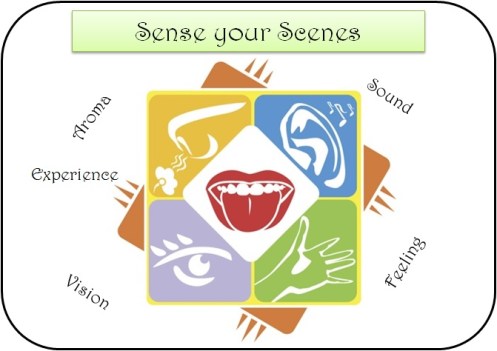 This image is one I have printed out on a card and hung near my desk when writing; it reminds me to apply all of my senses to a scene, to enrich the imagery and draw the reader in. Describe the sights, smells, sounds, feelings and taste of a scene; make it a sensory experience and it will be far more memorable; this is done through sentence structure and the pacing of those elements, but sometimes also through “camera angle” – looking at the scene from a particular perspective. How does your character feel in the moment? What are their perceptions? Does a smell remind them of something or someone? Here are a few tips to achieving these goals:
- While adjectives are useful for adding colour or depth to a sentence, think of them as pepper; too much can spoil the scene. If using more than one to describe a noun, familiarize yourself with the rule of order for adjectives.
- Use action verbs rather than passive/being verbs with adverbs. E.g. “She stumbled down the hill” rather than “She went unsteadily down the hill”.
- Most importantly: Read your sentences and scenes aloud! I cannot stress this enough – if it sounds choppy or stilted to your ears, or doesn’t sound like something your character would say or do, then change it!
Writing is a dynamic process, and being a writer means constantly striving to improve oneself – building vocabulary and learning how to use words effectively, building your knowledge through research, studying, and reading, reading, reading! Keep on writing!



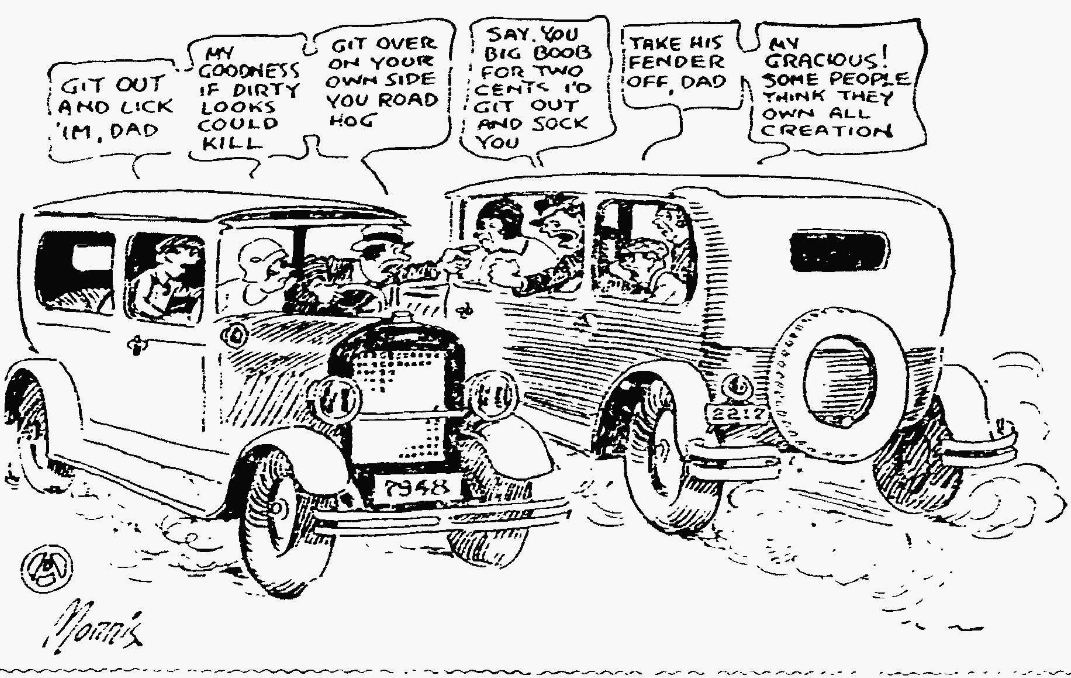
 Language is a fluid concept, constantly changing, adapting, creating, compensating and inventing itself. Euphemisms are a prime example of that fluctuation and adaptation; successive generations come to know only the euphemism which in turn ceases to be one by that very definition, and which means that new ones will be invented to skirt the issue once again. For instance, there are hundreds of words for smell or stink, yet only a handful of satisfactory synonyms for words like fragrance, simply because hiding the ugly requires far more creativity than hiding the lovely. For that reason alone, writers who fall back on expletives like the highly offensive F-word (a euphemism for, well, you know) are simply lazy in my book; they’re missing a great opportunity for creativity! Interestingly, that word’s meaning has never shifted over time – it’s been in the English language since before the fifteenth century, and even then it was only written in cipher because it was too offensive to record in ink. In my opinion it still is, and one should consider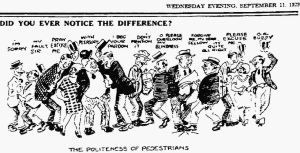





 Stephanie Huesler
Plot Thots: 14 Tips from Steven Spielberg
I like to listen to good film commentaries, and one of the best teachers in the field is Steven Spielberg; he not only discusses the filming process itself, but the thought processes and philosophy behind his decisions and choices. Here are a few notes I’ve taken from his commentaries, and where I noted the particular film, I’ll let you know in case you want to hear it for yourself:
14 Tips from Steven Spielberg:
[Plot Thots is my own shorthand for anything to do with mapping out a storyline.]
4 Comments
Filed under Articles, Nuts & Bolts, Plot Thots & Profiles, Quotes, Research
Tagged as Darth Vader, Film Commentaries, Indiana Jones, Nuts & Bolts, Plot Thots, Research, royal naval vessels, Star Wars, Steven Spielberg, The Northing Trilogy, Tips, writing, Writing Tools